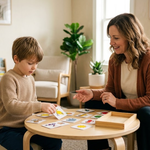
The best autism therapy Yukon families can access includes Applied Behavior Analysis (ABA), speech therapy, occupational therapy, and social skills training. ABA therapy consistently shows the highest success rates, with research indicating 89% of children demonstrate significant improvements in communication, behavior, and daily living skills when treatment begins early and continues consistently.
Choosing the right therapy for your child can feel overwhelming, especially when you’re navigating recommendations from doctors, schools, and other parents. Every child with autism is unique, which means the most effective approach often combines multiple therapies tailored to your child’s specific strengths and challenges.
This article breaks down the most effective autism therapies available, helping you understand what each one offers and how to decide which path makes sense for your family.
Understanding Autism Treatment Options in Yukon
Autism spectrum disorder (ASD) affects how children communicate, learn, and interact with the world around them. Because autism presents differently in every child, treatment approaches need to be flexible and personalized.
The most successful treatment plans typically include a combination of behavioral therapies, communication support, and skill-building activities. Families in Yukon have access to several evidence-based interventions, each addressing different developmental areas.
What Makes Therapy Effective for Autism?
Effective autism therapy focuses on building skills while respecting each child’s natural way of processing information. The best programs share several key characteristics that predict positive outcomes.
Early intervention stands as the single most important factor in treatment success. Research from Yale University shows that children who begin therapy before age three demonstrate significantly better language development, social skills, and adaptive behaviors compared to those who start later.
Consistency and intensity matter tremendously. Children who receive 25-40 hours of structured therapy weekly show faster progress than those with sporadic or limited intervention hours.
Family involvement amplifies results because parents and siblings spend the most time with the child. When families learn therapy techniques and use them at home, skills generalize more effectively across different environments.
Data-driven approaches allow therapists to track progress objectively and adjust strategies when something isn’t working. Programs like ABA therapy in Fairfax, VA use ongoing assessment to ensure treatment remains aligned with each child’s evolving needs.
Applied Behavior Analysis (ABA): The Gold Standard
Applied Behavior Analysis represents the most researched and evidence-supported treatment for autism spectrum disorder. Dr. O. Ivar Lovaas pioneered this approach in the 1960s, and decades of subsequent research have refined the methodology.
ABA breaks down complex skills into smaller, manageable steps. Therapists use positive reinforcement to encourage desired behaviors while reducing challenging ones. This systematic approach helps children learn communication, social interaction, self-care, and academic skills.
How ABA Therapy Works
ABA therapy sessions typically occur in structured settings where therapists create learning opportunities tailored to each child’s goals. A Board Certified Behavior Analyst (BCBA) designs the treatment plan, while trained therapists implement daily sessions.
Discrete Trial Training (DTT) presents learning in clear, repeated trials. The therapist gives an instruction, the child responds, and immediate feedback follows. This method works particularly well for teaching new skills like following directions, identifying objects, or answering questions.
Natural Environment Teaching (NET) incorporates learning into everyday activities and play. Instead of sitting at a table, the child learns through games, routines, and natural interactions. This approach helps skills generalize more easily to real-world situations.
Verbal Behavior Intervention focuses specifically on communication development. Therapists teach children to request items, label objects, answer questions, and eventually engage in conversation by understanding the function of language.
Children receiving comprehensive ABA typically spend 20-40 hours weekly in therapy during the early years. As they progress, hours may decrease while maintaining gains. Programs like those offered through ABA therapy in Leesburg, VA adjust intensity based on individual progress and family needs.
| ABA Component | What It Addresses | Example Goal |
| Communication Training | Requesting, labeling, conversation | Child asks for preferred toy using words |
| Social Skills | Turn-taking, sharing, joint attention | Child initiates play with peer |
| Daily Living | Self-care, hygiene, independence | Child completes morning routine independently |
| Behavior Reduction | Tantrums, aggression, self-injury | Child uses communication instead of hitting |

Speech and Language Therapy
Many children with autism experience communication challenges, from delayed speech development to difficulty understanding social language. Speech-language pathologists (SLPs) address these issues through targeted interventions.
What Speech Therapy Provides
Speech therapy for autism goes beyond articulation practice. SLPs work on receptive language (understanding what others say), expressive language (sharing thoughts and needs), and pragmatic language (using language socially).
For nonverbal children, therapy might introduce alternative communication systems like Picture Exchange Communication System (PECS) or speech-generating devices. These tools give children ways to communicate their wants and needs before verbal speech develops.
Therapy sessions typically occur 2-5 times weekly for 30-60 minutes. The SLP assesses the child’s current abilities and creates goals addressing specific communication gaps.
Augmentative and Alternative Communication (AAC) devices help children who struggle with verbal speech. Options range from low-tech picture boards to high-tech tablets with specialized apps. Research shows AAC doesn’t prevent speech development and often supports it.
Occupational Therapy for Sensory and Motor Skills
Occupational therapists (OTs) help children develop the physical and sensory skills needed for daily life. Many children with autism experience sensory processing differences that affect how they respond to sounds, textures, lights, and movement.
Core Areas OT Addresses
Occupational therapy focuses on fine motor skills like holding utensils, buttoning clothes, and writing. Therapists also work on gross motor coordination, balance, and body awareness.
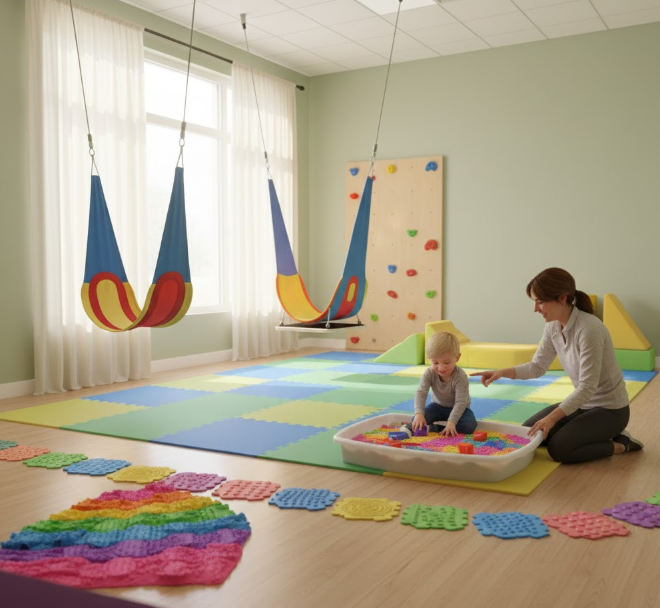
Sensory integration therapy helps children who become overwhelmed by sensory input or who seek intense sensory experiences. OTs create activities that help the nervous system process sensory information more effectively. Creating a dedicated autism sensory room at home can extend these benefits.
Sessions usually occur 1-3 times weekly. During sessions, children might engage in activities like swinging, climbing obstacle courses, playing with textured materials, or practicing daily tasks like dressing and eating.
Self-regulation techniques taught in OT help children manage their emotional responses and maintain focus. These strategies often include deep pressure activities, movement breaks, and calming sensory tools.
Social Skills Training and Group Therapy
Social interaction challenges often affect children with autism significantly. Dedicated social skills programs teach children how to read social cues, maintain conversations, understand emotions, and build friendships.
Structured Social Learning
Social skills groups typically include 3-6 children with similar abilities. A trained facilitator guides activities that practice specific skills like greeting others, sharing, taking turns, and understanding perspective.
Programs often use video modeling, where children watch examples of appropriate social behavior and then practice those behaviors. Role-playing scenarios help children rehearse responses to common social situations.
Understanding theory of mind in autism helps explain why social skills don’t come naturally to many children with ASD. Theory of mind refers to understanding that other people have different thoughts, feelings, and perspectives.
Groups meet weekly for 60-90 minutes, providing consistent practice with peers. Between sessions, families practice skills at home and in community settings.
Combining Therapies: The Team Approach
The best autism therapy Yukon families utilize often isn’t just one intervention but rather a coordinated team of specialists working together. This multidisciplinary approach addresses all aspects of development simultaneously.
Building Your Child’s Therapy Team
A comprehensive treatment plan might include a BCBA overseeing ABA therapy, an SLP addressing communication, an OT working on sensory and motor skills, and educators supporting academic progress. These professionals should communicate regularly about goals and strategies.
Coordination meetings every 3-6 months ensure everyone stays aligned on priorities. When the speech therapist and behavior analyst collaborate, communication goals can be reinforced across settings, accelerating progress.
Parents serve as the central coordinators, sharing information between providers and implementing strategies at home. Programs like ABA therapy in Alexandria, VA emphasize parent training to maximize treatment effectiveness.
| Therapy Type | Primary Focus | Typical Frequency | Best Combined With |
| ABA Therapy | Behavior, communication, daily skills | 20-40 hours/week | Speech therapy, OT |
| Speech Therapy | Language, communication, articulation | 2-5 times/week | ABA, social skills groups |
| Occupational Therapy | Sensory processing, motor skills, self-care | 1-3 times/week | ABA, physical therapy |
| Social Skills Training | Peer interaction, friendship, conversation | 1-2 times/week | ABA, speech therapy |
Things to Know About Starting Autism Therapy
Beginning therapy marks a significant step for families. Understanding what to expect helps you prepare and make informed decisions about your child’s treatment.
Assessment comes first. Before therapy begins, comprehensive evaluations identify your child’s strengths, challenges, and specific needs. These assessments typically take several hours across multiple appointments and inform the treatment plan.
Insurance coverage varies. Many insurance plans now cover ABA therapy and other autism interventions, but policies differ in terms of hours allowed, age limits, and authorization requirements. Review your benefits carefully and work with providers who handle insurance documentation.
Progress takes time. While some children show rapid improvement, meaningful change usually unfolds over months and years rather than weeks. Consistency and patience matter more than quick fixes.
Not all therapists are equal. Certification and training levels vary significantly. Look for BCBAs overseeing ABA programs, licensed SLPs for speech therapy, and registered or licensed OTs. Ask about their experience specifically with autism.
Home practice amplifies results. Therapy sessions alone aren’t enough. Families who consistently use strategies at home see much faster progress. Most programs include parent training to help you support your child’s development daily.
Your child’s interests guide therapy. The best therapists incorporate what your child loves into learning activities. Using preferred toys, games, or topics keeps children motivated and engaged.
Choosing the Right Provider in Yukon
Selecting a therapy provider requires careful consideration of several factors beyond just convenience and cost. The quality of services directly impacts your child’s progress and your family’s experience.
What to Look for in a Therapy Provider
Credentials and experience should be your first consideration. For ABA therapy, verify that a BCBA designs and supervises the program. Ask how many children with autism the provider has worked with and whether they have experience with your child’s specific challenges.
Treatment philosophy matters significantly. Some providers focus heavily on compliance and following directions, while others emphasize natural learning and following the child’s lead. The best approach balances structure with respect for your child’s natural interests and communication style.
Communication with families should be regular and transparent. Providers should welcome your questions, share data about progress, and involve you in goal-setting. If a provider seems defensive about feedback or unwilling to adjust strategies, consider that a red flag.
Availability and flexibility affect how well therapy fits into your family’s life. Consider appointment times, whether services can occur at home or in the community, and how the provider handles scheduling conflicts.
Ask for references from other families and observe a session before committing to a long-term program. Trust your instincts about whether the environment feels right for your child.

Addressing Common Concerns About Autism Therapy
Parents often worry about various aspects of starting treatment. Addressing these concerns upfront helps families feel more confident moving forward.
Worry about therapy being too demanding comes up frequently, especially with intensive ABA recommendations. While 25-40 hours weekly sounds overwhelming, programs incorporate breaks, play, and variety to prevent burnout. Children often enjoy sessions because they’re designed around their interests.
Concerns about changing who your child is reflect valid feelings about acceptance and identity. Quality therapy doesn’t aim to make children “normal” but rather to help them communicate, learn, and navigate the world more successfully. The goal is building skills while respecting your child’s authentic self.
Questions about when to start certain medications arise as children get older. While therapy remains the primary treatment, some families consider medications for autism to address specific symptoms like severe anxiety or aggression. These decisions should involve your child’s physician and consider the full picture.
Uncertainty about mixing therapy types is common when different providers recommend different approaches. Most therapies complement each other well. The key is coordination so everyone works toward consistent goals rather than conflicting ones.
Final Thoughts: Finding Success with Autism Therapy
The best autism therapy Yukon families can access combines evidence-based approaches with personalization, family involvement, and consistent implementation. While ABA therapy demonstrates the strongest research support for comprehensive skill development, speech therapy, occupational therapy, and social skills training each address critical areas that help children thrive.
Starting therapy often feels daunting, but remember that taking the first step matters more than having everything figured out perfectly. As you move forward, you’ll learn what works best for your child and adjust accordingly. Trust the process, celebrate small victories, and remember that progress isn’t always linear.
Every child with autism has unique potential. With the right support, consistent effort, and patience, children can develop the skills they need to communicate, learn, and enjoy meaningful connections with others. Your commitment to finding quality therapy gives your child the foundation for growth and success.
Frequently Asked Questions
What is the most successful treatment for autism?
Applied Behavior Analysis (ABA) is the most successful treatment for autism, with 89% of children showing significant improvements when therapy begins early and continues consistently. ABA uses scientifically-proven methods to teach communication, social skills, and daily living abilities while reducing challenging behaviors. The success of ABA comes from its individualized approach, intensive hours (typically 25-40 weekly), and data-driven adjustments. While other therapies like speech and occupational therapy provide important benefits, ABA demonstrates the strongest research support for comprehensive skill development across multiple life areas.
What kind of therapist is best for autism?
A Board Certified Behavior Analyst (BCBA) overseeing an ABA program offers the most comprehensive autism treatment, though speech-language pathologists and occupational therapists address specific skill areas. BCBAs complete master’s-level training specifically in autism intervention and pass rigorous certification exams. The “best” therapist depends on your child’s primary needs. For overall skill development and behavior support, choose a BCBA. For communication challenges, an SLP specializing in autism adds critical expertise. For sensory processing or motor skill issues, an occupational therapist becomes essential. Most children benefit from a team approach with multiple specialists working together.
What is the 6 second rule for autism?
The 6 second rule in autism therapy refers to waiting approximately 6 seconds after giving an instruction before prompting or repeating it. This wait time gives children with autism enough processing time to understand the request and formulate a response. Many children with ASD process information more slowly than neurotypical peers, and rushing them with repeated instructions or immediate prompts can create confusion and frustration. The 6 second pause shows respect for different processing speeds and often results in more independent responses. Therapists teach this technique to parents because it works equally well at home, school, and in the community.
What is the hardest age for autism?
Ages 2-5 typically present the hardest challenges for families with autism because developmental gaps become obvious, communication remains limited, and behavioral issues often peak. During these years, children lack the language to express their needs, leading to frequent meltdowns and frustration. Parents also navigate the intense process of getting diagnosis, starting therapies, and grieving expectations. However, adolescence (ages 12-18) brings different difficulties as social demands increase, physical changes occur, and awareness of being different grows. The “hardest” age varies by family based on individual challenges, available support, and coping resources. Early intervention during preschool years significantly improves outcomes for all later stages.
What is the new miracle drug for autism?
There is no miracle drug for autism, and no medication treats the core features of ASD. While some medications help manage specific symptoms like severe anxiety, aggression, or repetitive behaviors, they don’t address communication delays, social challenges, or learning differences. Any claims about “miracle drugs” or cures should be viewed with skepticism. The FDA has approved only risperidone and aripiprazole for autism-related irritability, and these come with significant side effects requiring careful monitoring. The most effective “treatment” remains behavioral therapy, particularly ABA, which builds actual skills rather than temporarily masking symptoms. Focus on evidence-based interventions rather than searching for pharmaceutical shortcuts.