is autism a birth defect

Is Autism a Birth Defect? What the Science Actually Says

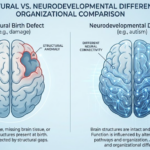
Key Takeaways The Direct Answer: Autism Is Not a Birth Defect The term birth defect has a specific medical meaning — and autism does not fit it. Birth defects, also called congenital anomalies, refer to structural or functional abnormalities present at birth that result from disruptions to normal fetal development. They include conditions like cleft […]

How Many Kids Have Autism in 2026

How Many Kids Have Autism in 2026? The Latest Statistics and What They Mean

Key Takeaways How Many Children Have Autism in 2026? The most current figure from the United States Centers for Disease Control and Prevention (CDC) Autism and Developmental Disabilities Monitoring (ADDM) Network shows that approximately 1 in 31 children aged 8 in the United States have autism spectrum disorder — representing approximately 3.2% of all 8-year-olds. […]

is autism a developmental delay

Is Autism a Developmental Delay? What the Clinical Distinction Actually Means

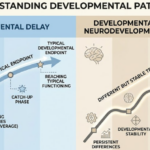
Key Takeaways The Direct Answer: Autism Is Not a Developmental Delay Autism spectrum disorder (ASD) is a neurodevelopmental disorder — a term that means the brain developed and is organized differently from a neurotypical brain, beginning before birth. That is categorically different from a developmental delay. A developmental delay means a child is acquiring skills […]

can you drive with autism

Can You Drive With Autism? Everything You Need to Know About Driving, Independence, and Adult Life With Autism

Key Takeaways The Direct Answer: Yes — Many Autistic People Drive Autism does not legally disqualify a person from driving in the United States. There is no federal prohibition, and state-level driving requirements focus on functional capacity — attention, vision, reaction time, and cognitive ability — not diagnostic labels. An autism diagnosis on its own […]

Percentage of Autism in the World

Percentage of Autism in the World: What the Numbers Really Tell Us

The percentage of autism in the world is approximately 1%, or about 1 in 100 children, according to the World Health Organization. This global estimate translates to roughly 78 million people living with autism spectrum disorder (ASD) across different countries and cultures. But these numbers only scratch the surface. Autism prevalence varies dramatically depending on […]

Are There Medications for Autism? Treatment Options and Support

Are There Medications for Autism? Treatment Options and Support

Are there medications for autism? Yes, while there is no medication that treats autism itself, the FDA has approved specific medications to manage certain symptoms associated with autism spectrum disorder (ASD). These medications primarily address behavioral challenges like irritability, aggression, hyperactivity, and repetitive behaviors that can interfere with daily functioning and learning. Understanding medication options […]

Is Autism More Common in Boys or Girls

Is Autism More Common in Boys or Girls? Understanding the Gender Gap

Understanding why this gap exists matters for families, educators, and healthcare providers. Girls with autism often go undiagnosed or receive late diagnoses because their symptoms can look different from the classic patterns seen in boys. Let’s explore what drives this difference and why recognizing autism in all children, regardless of gender, is so important. What […]

Does Autism Qualify for SSI

Does Autism Qualify for SSI? Understanding Benefits and Eligibility

Does autism qualify for SSI? Yes, autism spectrum disorder can qualify individuals for Supplemental Security Income (SSI) benefits through the Social Security Administration. Children and adults with autism may be eligible if their condition significantly limits daily functioning and they meet specific medical and financial requirements. Navigating SSI benefits can feel overwhelming for families affected […]

Touching Ears Autism

Touching Ears Autism: Understanding This Common Self-Soothing Behavior

Touching ears autism behavior is often a form of self-stimulation or sensory regulation. Many children with autism spectrum disorder repeatedly touch, pull, or rub their ears as a way to manage sensory input or express emotional needs. This repetitive behavior, known as stimming, serves important functions for self-soothing and comfort. Understanding why children engage in […]

Autism Burnout

Autism Burnout: Signs, Causes, Recovery Steps, and When to Get Help

Autism burnout is a state of deep exhaustion that drains energy, blunts skills, and disrupts everyday coping. It often follows months of masking, constant sensory load, and limited recovery time, so tasks that were easy start to feel impossible. Capacity returns when demands drop and supports rise, especially with predictable rest, sensory regulation, and paced […]

autism and trauma

Autism and Trauma: Why Autistic People Are More Vulnerable and How to Recognize the Signs

Autism and trauma are connected more deeply and more frequently than most families, clinicians, and educators recognize. Autistic individuals experience trauma at significantly higher rates than the general population, and when trauma does occur, the autistic nervous system processes and stores it in ways that produce presentations quite different from what standard trauma frameworks were […]

Emotional Dysregulation in Autism

Emotional Dysregulation in Autism: What It Looks Like and How to Help

Emotional dysregulation in autism refers to the difficulty autistic individuals experience when trying to manage, modulate, or recover from intense emotional states, and it is one of the most exhausting and misunderstood aspects of autism for both the individuals experiencing it and the families supporting them. Research suggests that up to 70 percent of autistic […]

Get in touch