Key Takeaways
- Red 40 (Allura Red AC) does not cause autism — autism’s origins are prenatal and genetic, and no food dye consumed after birth can produce a neurodevelopmental condition established before birth
- Red 40 does affect behavior in some children — particularly those with ADHD or sensory sensitivities — primarily through its association with increased hyperactivity and reduced attention, not through any autism-causing mechanism
- The most significant research on artificial food dyes involves ADHD and general hyperactivity, not autism, and the EU now requires warning labels on foods containing Red 40 for this reason
- Several toxic chemical exposures — organophosphate pesticides, air pollution, valproic acid — have genuinely established research links to increased autism risk, primarily through prenatal exposure during critical developmental windows
- Genetics remains the strongest established link to autism, accounting for an estimated 64–91% of risk across twin studies
The Direct Answer: Red 40 Does Not Cause Autism
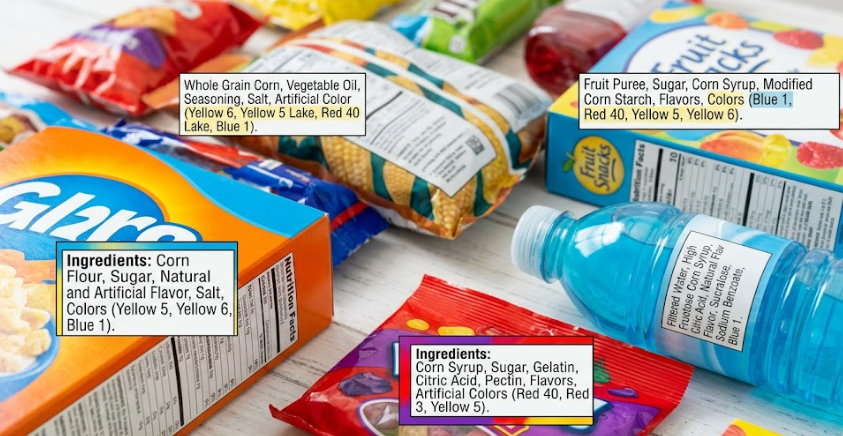
Red 40 — formally called Allura Red AC or FD&C Red No. 40 — is a synthetic petroleum-derived food dye found in hundreds of everyday food products. It is also the subject of genuine concern among parents and researchers about its behavioral effects on children.
But it does not cause autism.
Autism is a neurodevelopmental condition rooted in genetic factors and prenatal brain development — established in the structure and connectivity of the brain before birth, shaped by hundreds of interacting genetic variants and the intrauterine environment. No food dye consumed after birth can produce this developmental architecture. The biological timeline of autism’s origins and the biological pathway through which a food additive would need to act are categorically incompatible.
That said, this article will not stop at “no” — because the relationship between Red 40, behavior, and neurodevelopmental health is genuinely more nuanced than that single answer conveys. Understanding what Red 40 actually does — and does not do — serves families far better than a blanket dismissal of the question.
What Red 40 Is and Where It Shows Up
Red 40 is the most widely used artificial food color in the United States. It is petroleum-derived, synthesized to produce a bright red hue, and approved by the FDA as a safe food additive at current usage levels.
It is found in a remarkably wide range of products, often in places parents do not expect:
- Breakfast cereals (many flavored varieties)
- Candy, gummies, and fruit snacks
- Flavored sports drinks and fruit punches
- Strawberry and cherry-flavored yogurts
- Macaroni and cheese (some varieties)
- Over-the-counter medications and liquid vitamins — including children’s ibuprofen, antihistamines, and multivitamins
- Flavored chips and snack crackers
- Ice cream and popsicles
- Gelatin desserts
The ubiquity of Red 40 is part of why parents notice it. Families who attempt to eliminate it from their children’s diets quickly discover that it appears in foods not intuitively associated with red coloring — making it a persistent dietary presence that requires significant label-reading effort to avoid.
What the Research on Red 40 Actually Shows
The scientific case against Red 40 — such as it is — centers on hyperactivity and attention, not autism. This distinction matters enormously.
The foundational study in this area is the McCann et al. (2007) Southampton study, published in The Lancet. This was a double-blind, randomized, placebo-controlled trial that tested the effect of two mixtures of artificial food colors (including Red 40) combined with sodium benzoate on children in the general population aged 3 and 8–9 years. The study found that both mixtures produced statistically significant increases in hyperactivity in children compared to placebo.
This was a well-designed study and its findings were taken seriously. The European Food Safety Authority (EFSA) reviewed the evidence and, in 2008, required that foods containing any of six specific artificial dyes — including Red 40 — carry a consumer warning label stating: “may have an adverse effect on activity and attention in children.”
The FDA reviewed the same evidence in 2011 and concluded that the data were insufficient to require similar labeling in the United States — acknowledging that some children may be sensitive while stopping short of a population-wide warning. As of this writing, no FDA warning on Red 40 specific to neurodevelopmental health has been issued.
What this research does and does not show:
- It shows Red 40 may increase hyperactivity and reduce attention in some children in the general population — this is meaningful for ADHD management and general pediatric health
- It does not show Red 40 causes autism
- It does not show Red 40 produces the social communication differences, restricted interests, or sensory processing differences that define autism
- The effect is on arousal and attention regulation — not on the developmental trajectory that produces autism
For autistic children specifically, who often have elevated baseline hyperactivity, sensory sensitivity, and behavioral dysregulation, reducing Red 40 may produce noticeable behavioral improvements — not because it was causing autism, but because a substance that increases hyperactivity in neurotypical children may produce amplified effects in children whose nervous systems are already highly reactive. This is a practical reason for dietary consideration without being an autism causation claim.
What Toxic Chemicals ARE Linked to Autism Risk
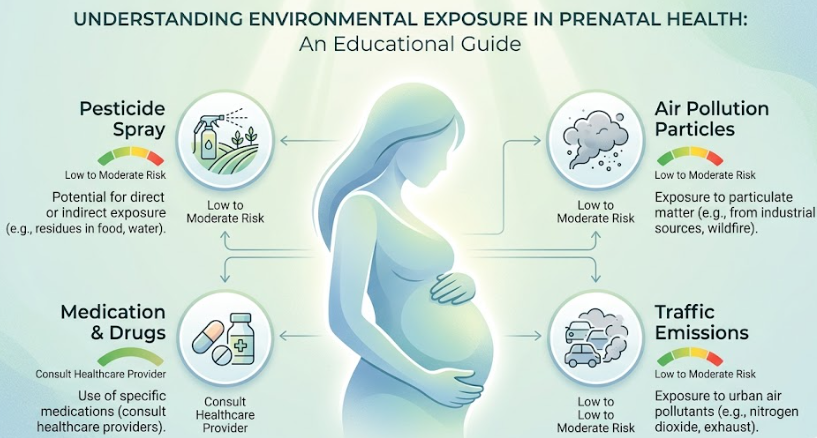
While Red 40 does not cause autism, there is a legitimate body of research on environmental chemical exposures and autism risk. These exposures almost exclusively matter during prenatal development — when the fetal brain is forming and most sensitive to environmental disruption.
Organophosphate pesticides carry the most consistent evidence among environmental chemical exposures. Multiple epidemiological studies — including work from the CHARGE (Childhood Autism Risks from Genetics and the Environment) study — have found associations between prenatal organophosphate exposure (from agricultural pesticide applications near mothers’ residences during pregnancy) and increased autism risk in offspring. Organophosphates are neurotoxic and disrupt acetylcholinesterase function — a mechanism that could plausibly affect fetal neurodevelopment.
Air pollution — fine particulate matter (PM2.5) and nitrogen dioxide (NO2) — has been linked to elevated autism risk in multiple large cohort studies examining prenatal exposure in urban environments. The proposed mechanisms involve neuroinflammation and oxidative stress during fetal brain development. The effect is modest in magnitude but consistent across studies conducted in different countries.
Valproic acid (valproate) — an anticonvulsant medication used to treat epilepsy and bipolar disorder — has among the strongest documented links of any prenatal exposure to increased autism risk. Studies estimate that prenatal valproate exposure increases autism risk by approximately 6–10 fold compared to unexposed pregnancies. This is not a toxin in the environmental sense but a medication with known teratogenic effects that is now subject to strict prescribing restrictions in pregnant women.
Heavy metals — prenatal mercury and lead exposure — from contaminated environments have been studied in relation to autism risk. The evidence is less consistent than for organophosphates but supports caution around environmental heavy metal exposure during pregnancy.
Phthalates and BPA — endocrine-disrupting chemicals found in plastics, personal care products, and food packaging — have shown preliminary associations in some studies, though the evidence base is less developed than for organophosphates.
The critical common thread in all of these: the relevant exposures are prenatal, they affect fetal brain development during sensitive windows, and they act primarily as risk modifiers in individuals with genetic susceptibility — not as independent causes of autism in otherwise low-risk individuals. Understanding why autism rates are increasing requires weighing these environmental factors alongside the much larger contribution of diagnostic expansion and genetic factors.
What Foods Are Linked to Autism?
The honest answer is: no specific postnatal food has been established as a cause of autism. Food consumed after birth does not produce autism, because autism’s neurological foundations are prenatal in origin.
Where nutrition intersects meaningfully with autism risk is during pregnancy — and even then, the effect is primarily about adequacy of specific nutrients during critical developmental windows, not about specific foods as toxins.
Folate/folic acid: Adequate maternal folate during the periconceptional period and early pregnancy is associated with modestly reduced autism risk in some studies. Folate is essential for neural tube development and DNA methylation — both of which are relevant to neurodevelopment. This is why folic acid supplementation is recommended for all women of childbearing age.
High-mercury seafood during pregnancy: Prenatal mercury exposure from consumption of high-mercury fish (swordfish, king mackerel, shark, tilefish) is a genuine neurodevelopmental concern — though the specific link to autism is less established than the general neurotoxic effect of prenatal mercury exposure on cognitive development.
Postnatal dietary patterns in autistic children: Autistic children often have highly restricted diets driven by sensory sensitivities to texture, taste, and smell — which can produce nutritional deficiencies (particularly in iron, zinc, calcium, and vitamins D and B12) that affect energy, cognition, and behavioral regulation. These deficiencies are consequences of autism-related feeding selectivity, not causes of autism. Addressing nutritional adequacy in autistic children is clinically important for overall health and functioning without invoking any dietary causation theory.
Gluten and casein: The gluten-free, casein-free (GFCF) diet is the most studied dietary intervention in autism. The evidence from randomized controlled trials is inconclusive — some families report behavioral improvements, controlled studies have not consistently replicated this. For children with documented gastrointestinal conditions or genuine food sensitivities, reducing these proteins may address GI discomfort that contributes to behavioral dysregulation. A dietitian experienced with autistic children is the appropriate guide for these decisions.
The Strongest Link to Autism
Every article in this series returns to the same scientifically honest answer — and it is worth stating it clearly, in full.
Genetics is the strongest established link to autism by a substantial margin.
This is not a placeholder answer while scientists search for the “real” cause. It is the conclusion of the most rigorous and comprehensive research conducted over the past four decades:
- Twin studies across multiple countries consistently estimate autism heritability at 64–91%
- Siblings of autistic individuals have a roughly 10–20 times higher likelihood of autism than the general population
- Hundreds of genetic variants have been identified in association with autism through genome-wide association studies and whole exome sequencing
- De novo mutations — new genetic changes not inherited from either parent — account for a meaningful proportion of autism cases and are found more frequently in autistic individuals than neurotypical controls
For families seeking clarity on what the genetic picture looks like for their specific family — including what variants may be identified and what recurrence risk they imply — genetic testing for autism provides an overview of the postnatal genetic evaluation process.
Beyond genetics, the factors with the most consistent evidence as risk modifiers are: advanced parental age, prenatal infections, extreme prematurity, and certain prenatal chemical exposures — all of which operate during the prenatal period, not through postnatal diet or food additive exposure.
Red 40 is not in this list. It was never a plausible candidate for a primary autism cause, and the research has not placed it there.

Common Misconceptions About Red 40 and Autism
“My child’s autism got worse after eating Red 40 — so it must have caused it.” Behavioral dysregulation worsening after Red 40 consumption reflects the dye’s genuine effect on arousal and attention in sensitive individuals — not a causal relationship to autism. Autism does not get worse or better based on a food dye; behavioral symptoms that overlay autism can be modulated by substances that affect hyperactivity and sensory processing. Removing Red 40 may improve behavioral manageability in some autistic children without any causation operating in either direction.
“If Red 40 is banned in Europe for kids, it must be causing autism.” The EU’s requirement for warning labels on foods containing Red 40 is based on evidence of effects on hyperactivity and attention — not autism causation. The warning reads “may have an adverse effect on activity and attention in children.” This is a different clinical concern from autism, and the regulatory response to it should not be interpreted as evidence of an autism link.
“Avoiding Red 40 will help prevent autism in my next pregnancy.” There is no evidence that maternal or child avoidance of Red 40 affects autism risk. Prenatal Red 40 consumption has not been established as a risk factor for autism. Avoiding Red 40 during pregnancy may be reasonable general dietary guidance for other reasons — but it is not an autism prevention strategy.
“The autism community already knows Red 40 causes autism — doctors just won’t admit it.” Parent reports of behavioral improvement after eliminating Red 40 are real observations — but behavioral improvement in autistic children who remove a hyperactivity-promoting substance is not evidence that the substance caused the autism. Many autistic children show behavioral improvement when diet is improved in multiple ways simultaneously; isolating Red 40’s specific contribution requires controlled experimental conditions that few families have access to.
“Natural food dyes are safe for autistic children.” Natural dyes vary widely in their properties and are not uniformly studied for behavioral effects. “Natural” does not automatically mean “appropriate for all autistic children.” Any significant dietary modification in autistic children — who frequently have restricted food repertoires and nutritional risks from selective eating — should involve a pediatric dietitian to ensure nutritional adequacy is maintained.
Practical Guidance for Families Navigating Dietary Concerns
If your autistic child has behavioral spikes that seem food-related: Work with a pediatric dietitian and behavioral specialist to conduct a systematic, data-driven dietary trial. Randomly eliminating multiple ingredients simultaneously makes it impossible to identify which, if any, produced behavioral change. Structured single-ingredient elimination with objective behavioral data collection provides actual information.
If you want to reduce Red 40 in your child’s diet: This is a reasonable, low-harm choice given the genuine ADHD/hyperactivity evidence — not as autism prevention or treatment, but as general pediatric health practice for a behaviorally sensitive child. Be aware that Red 40 appears in medications and vitamins, not just food, requiring label reading across multiple product categories.
If you are concerned about prenatal chemical exposures for a future pregnancy: Focus on the exposures with the most consistent evidence: minimize organophosphate pesticide exposure (choose organic produce where feasible, particularly for fruits and vegetables with high pesticide residue), monitor air quality during pregnancy, ensure folic acid adequacy, and avoid high-mercury fish. Discuss medication safety with your OB before and during pregnancy, particularly anticonvulsants.
If your autistic child has gastrointestinal symptoms: GI issues are significantly more common in autistic children than in the general population and affect behavior substantially. A pediatric gastroenterology evaluation and dietitian consultation may address GI-related behavioral contributions more effectively than elimination diets based on autism causation theories.
Families in Northern Virginia seeking behavioral support alongside these considerations can connect with the team at Dream Bigger ABA in Vienna, VA and ABA therapy in Gainesville, VA.

Conclusion
Red 40 does not cause autism. The research is clear on this, and the biology is clear on this: autism’s prenatal neurodevelopmental origins cannot be produced by a food dye consumed after birth. Families who have searched this question deserve that direct, honest answer — not a hedged non-response that leaves the door open to a claim the evidence does not support.
What is true is that Red 40 may genuinely affect hyperactivity and attention in some children — a finding with enough evidence that Europe requires warning labels on foods containing it. For autistic children with existing behavioral dysregulation, reducing Red 40 exposure may produce observable behavioral benefit through this mechanism. That is a worthwhile practical consideration, entirely separate from any causation theory.
The chemicals most firmly linked to autism risk — organophosphate pesticides, air pollution, valproic acid — all operate prenatally, during the developmental windows when the brain is most sensitive to disruption. This is where the environmental story of autism lives: not in food dyes, but in the prenatal exposures that modify how genetic risk is expressed during fetal brain formation.
For families navigating autism — whatever questions brought them here — the most productive focus is on the support strategies that produce the clearest evidence of benefit: early, individualized, evidence-based behavioral and developmental intervention.
Dream Bigger ABA provides individualized ABA therapy for autistic children and their families across Northern Virginia — grounded in what the evidence actually shows and delivered with genuine care for each child’s growth and quality of life. Connect with our team to explore services in Vienna, VA and Gainesville, VA.
Frequently Asked Questions
What are the three main causes of autism?
The three most consistently supported contributors to autism across the research literature are: (1) Genetic factors — the primary driver, with heritability estimated at 64–91% across twin studies. Autism arises from the interaction of hundreds of genetic variants, each individually small in effect. No single gene explains most cases; the architecture is polygenic and complex. (2) Prenatal environmental modifiers — factors that influence how genetic risk is expressed during fetal brain development, including advanced parental age, prenatal infections particularly in the first trimester, extreme prematurity, certain medication exposures (notably valproic acid), and chemical exposures including organophosphate pesticides and air pollution. These are risk modifiers for genetically susceptible individuals, not independent causes. (3) Stochastic developmental and epigenetic variation — the non-genetic, non-environmental variation evidenced by the 10–40% of identical twin pairs who are discordant for autism despite sharing essentially all their DNA. Random developmental processes and epigenetic differences contribute to whether genetic risk translates into diagnosis. Red 40, other food dyes, vaccines, and postnatal dietary exposures are not among the established contributors.
Does Red Dye 40 affect kids?
Yes — there is genuine research evidence that Red 40 affects behavior in some children, particularly regarding hyperactivity and attention. The landmark McCann et al. (2007) Southampton study — a double-blind, randomized controlled trial published in The Lancet — found that a mixture of artificial food colors including Red 40 combined with sodium benzoate significantly increased hyperactivity in children from the general population. This evidence was sufficient for the European Food Safety Authority to require warning labels on foods containing Red 40, noting possible adverse effects on activity and attention. The FDA reviewed the same evidence in 2011 and did not require similar labeling, though it acknowledged sensitivity may exist in some children. The behavioral effect appears real and meaningful for hyperactivity — it is not autism-specific, and it does not affect all children equally. Children with ADHD, existing behavioral dysregulation, or heightened sensory sensitivity may show more pronounced responses.
What foods are linked to autism?
No specific postnatal food has been established as a cause of autism. Autism’s neurological foundations are prenatal and genetic — food consumed after birth cannot produce the neurodevelopmental profile that defines autism. Where nutrition intersects with autism risk is primarily during pregnancy: adequate maternal folate during the periconceptional period is associated with modestly reduced autism risk in some studies; severe prenatal nutritional deficiencies can affect fetal brain development broadly; and high-mercury fish (swordfish, shark, king mackerel) warrants avoidance during pregnancy due to general prenatal neurodevelopmental concerns. For autistic children postnatally, dietary quality matters for general health and behavioral regulation — nutritional deficiencies from highly selective eating are common in autism and affect energy, cognition, and behavior — but addressing these deficiencies does not treat autism itself. Dietary interventions including the GFCF diet have been studied; evidence from controlled trials is inconclusive.
What toxic chemicals are linked to autism?
The environmental chemical exposures with the most consistent research links to increased autism risk are almost exclusively prenatal in their relevant window. Organophosphate pesticides — used in agricultural settings — have been associated with increased autism risk in offspring of mothers exposed during pregnancy in multiple epidemiological studies, with plausible neurotoxic mechanisms. Fine particulate matter air pollution and nitrogen dioxide — from traffic and industrial emissions — have shown consistent prenatal exposure associations with elevated autism risk across multiple countries. Valproic acid — an anticonvulsant medication — carries the strongest documented single-exposure link to autism, estimated at 6–10 fold increased risk from prenatal exposure; it is now subject to strict prescribing restrictions in pregnancy. Prenatal heavy metal exposure — particularly mercury and lead from contaminated environments — has been studied with less consistent findings but warrants caution. These exposures primarily act as risk modifiers for individuals with genetic susceptibility rather than as independent causes. Postnatal food additive exposures including Red 40 are not in this category.
What is the strongest link to autism?
Genetics is the strongest established link to autism by a substantial margin — stronger than any single environmental exposure, any dietary factor, and any other variable studied in the research literature. Twin studies consistently estimate autism heritability at 64–91%. First-degree relatives of autistic individuals have substantially elevated autism rates. Hundreds of genetic variants have been identified in genome-wide association studies. De novo mutations — arising spontaneously without inheritance — account for a meaningful proportion of cases and are found at higher rates in autistic individuals than neurotypical controls. The genetic contribution to autism is not in scientific dispute. Beyond genetics, advanced parental age — both paternal and maternal — is the most consistently documented environmental/demographic risk factor, associated with higher rates of de novo mutations and modestly elevated autism risk independent of other factors. No food additive, including Red 40, appears in the evidence hierarchy for autism risk factors.