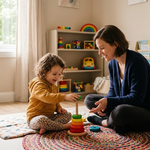
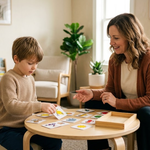
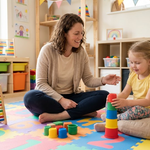
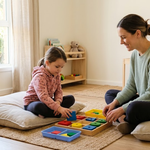
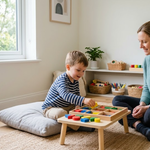
An autism sensory room is a dedicated space designed with specific sensory tools and equipment that help individuals with autism regulate their sensory input and emotional responses. These specially designed rooms provide a safe environment where children and adults can explore different sensory experiences, calm down during overwhelming moments, or simply enjoy controlled sensory stimulation.
For many families raising children on the spectrum, understanding sensory processing challenges can feel overwhelming. An autism sensory room offers a practical solution that addresses these unique needs while creating a therapeutic space right at home or in educational settings.
What is an Autism Sensory Room?
A sensory room is a therapeutic space that contains equipment and materials specifically chosen to provide sensory stimulation or help with sensory regulation. These rooms can be calming, stimulating, or interactive depending on the individual’s needs.
Think of it as a personalized retreat where everything from lighting to textures is intentionally selected to support sensory processing. Some rooms focus on calming overstimulated nervous systems, while others provide controlled opportunities for sensory exploration and engagement.
The concept originated in therapeutic settings but has expanded into homes, schools, and community centers. At ABA therapy in Alexandria, VA, professionals often recommend sensory spaces as part of comprehensive treatment plans because they give children tools to manage their sensory needs independently.
These rooms typically include:
- Adjustable lighting options (dimmer switches, color-changing lights, fiber optic strands)
- Tactile materials with different textures (soft fabrics, textured mats, sensory bins)
- Movement equipment (swings, balance boards, crash pads)
- Auditory tools (white noise machines, music players, sound-dampening materials)
- Visual stimulation (bubble tubes, projectors, mirrors)
The beauty of an autism sensory room lies in its flexibility. You can customize it to match your child’s specific sensory profile, whether they seek sensory input or need help managing sensory overload.
Why Sensory Rooms Help Children with Autism
Children on the autism spectrum often experience sensory processing differences that affect how they interpret information from their environment. A sensory room provides targeted support for these challenges in several key ways.

Research shows that controlled sensory environments can reduce anxiety, improve focus, and help with emotional regulation. When children have a designated space to address their sensory needs, they develop better coping strategies for everyday situations.
Here’s what makes sensory rooms particularly effective:
| Benefit | How It Helps |
| Emotional Regulation | Provides tools to calm down during meltdowns or manage frustration before it escalates |
| Sensory Exploration | Allows safe experimentation with different sensory inputs without overwhelming consequences |
| Self-Awareness | Helps children recognize their sensory needs and learn which tools work best for them |
| Reduced Anxiety | Creates a predictable, controlled environment that feels safe and manageable |
| Improved Focus | Offers sensory breaks that help children return to tasks with renewed concentration |
How Sensory Processing Affects Autism
Sensory processing refers to how our nervous system receives and responds to sensory information from our environment. For individuals with autism, this process can work differently, leading to either sensory seeking or sensory avoidance behaviors.
Some children are hypersensitive (over-responsive) to sensory input. Bright lights feel too intense, certain textures feel uncomfortable, or everyday sounds seem overwhelming. These children might cover their ears, avoid certain foods, or become distressed in busy environments.
Other children are hyposensitive (under-responsive) and seek extra sensory input. They might jump constantly, touch everything, make loud noises, or seek intense movement experiences. These behaviors aren’t misbehavior – they’re the nervous system trying to get the sensory input it needs.
Understanding what is stimming in autism can help you recognize how your child naturally tries to regulate their sensory needs. A sensory room simply provides better, safer tools for this natural process.
Essential Elements of an Autism Sensory Room
Creating an effective sensory space doesn’t require a complete room renovation or expensive equipment. Start with these core elements and build gradually based on your child’s needs and responses.
Lighting options form the foundation of most sensory rooms. Harsh fluorescent lights can be overwhelming, while adjustable, soft lighting creates a calming atmosphere. Consider blackout curtains, dimmer switches, or color-changing LED strips that allow you to customize the environment.
Tactile materials address the need for touch-based sensory input. This includes weighted blankets, textured cushions, therapy putty, kinetic sand, or sensory bins filled with rice, beans, or water beads. Different textures help children explore how various materials feel.
Movement equipment is essential for children who seek proprioceptive input (body awareness through movement and pressure). Crash mats, therapy swings, balance boards, mini trampolines, or even a pile of pillows for jumping can meet these needs safely.
Auditory tools help manage sound sensory needs. Some children benefit from white noise machines that block distracting sounds, while others enjoy gentle music or nature sounds. Noise-canceling headphones give children control over their auditory environment.
Visual stimulation includes items like bubble tubes, lava lamps, fiber optic lights, or projectors that create calming visual patterns. These tools can be mesmerizing and help children focus or calm down.
Professionals at ABA therapy in Woodbridge, VA often emphasize that the most effective sensory rooms reflect individual preferences. What works for one child might overwhelm another, so observation and adjustment remain key.
| Sensory Category | Equipment Examples | Primary Purpose |
| Visual | Bubble tubes, fiber optic lights, projectors, color-changing bulbs | Provide calming or engaging visual focus |
| Tactile | Textured mats, sensory bins, therapy putty, weighted items | Satisfy touch-seeking needs or introduce new textures gradually |
| Auditory | White noise machines, gentle music, noise-canceling headphones | Control sound environment and reduce auditory overwhelm |
| Vestibular | Swings, rockers, spinning chairs, balance equipment | Support movement needs and body awareness |
| Proprioceptive | Crash pads, weighted blankets, resistance bands, push/pull toys | Provide deep pressure input that calms the nervous system |

How to Set Up a Sensory Room for Autism at Home
Setting up a sensory room doesn’t have to be complicated or expensive. Many families successfully create effective sensory spaces in small corners, closets, or sections of existing rooms.
Step-by-Step Setup Guide
Start with assessment. Observe your child for a week and note when they seek sensory input or become overwhelmed. Do they jump constantly? Cover their ears? Seek tight hugs? These observations guide your equipment choices.
Choose your space. You don’t need a full room – a corner, closet, or tent can work perfectly. The space should feel separate from high-activity areas and offer some privacy. Many families convert walk-in closets or use large play tents as sensory spaces.
Consider safety first. Remove sharp corners, secure any heavy equipment, ensure adequate ventilation, and make sure children can’t trap themselves. Soft flooring like foam tiles or thick rugs prevents injuries during movement activities.
Start with basics. Begin with 3-5 core items rather than overwhelming the space. You might start with a bean bag chair, a weighted blanket, a bubble tube, and some texture toys. Add items gradually as you learn what works.
Create zones. Even in small spaces, designate areas for different sensory needs. A calm corner with dim lighting and soft textures, an active area for movement, and a tactile exploration spot with various materials.
Involve your child. Let them help choose colors, textures, and equipment when possible. Their investment in the space makes them more likely to use it effectively. For children working with ABA therapy in Fairfax, VA, therapists can offer guidance on incorporating sensory room time into behavior plans.
Establish clear boundaries. Create simple rules about when and how to use the space. Some families use visual schedules showing sensory room time, while others teach children to request sensory breaks when needed.
Rotate items periodically. Sensory interests change as children grow. Keep some favorite items constant for comfort, but introduce new textures, tools, or experiences to maintain engagement and development.
Budget-Friendly Sensory Room Ideas
Creating an autism sensory room doesn’t require a huge investment. Many effective sensory tools can be made at home or purchased inexpensively.
DIY sensory solutions work beautifully for many families. Fill plastic bottles with colored water and glitter for homemade calm-down bottles. Create sensory bins using rice, pasta, or beans from your pantry. Hang sheets or blankets to create a cozy tent space.
Repurpose household items. Old pillows become crash pads, blankets can provide weight and texture, cardboard boxes transform into quiet spaces, and kitchen items like wooden spoons or metal bowls offer interesting sounds and textures.
Shop secondhand. Check Facebook Marketplace, Craigslist, or local thrift stores for items like bean bags, exercise balls, or sensory toys. Many families sell therapy equipment as their children outgrow needs.
Focus on what works. A $5 therapy putty might be more effective than a $200 piece of equipment if it matches your child’s needs. Start small, observe results, and invest in items your child actually uses.
Understanding different support levels, like what is level 1 autism, can help you gauge which sensory tools might be most beneficial for your child’s specific needs.
Tips for Using Your Sensory Room Effectively
Having a sensory room is one thing – using it effectively is another. These strategies help maximize the benefits of your sensory space.
Teach purposeful use. Show your child that the sensory room is for specific purposes: calming down, taking breaks, or having fun sensory experiences. Practice using it during calm moments, not just during meltdowns.
Watch for patterns. Notice which tools your child gravitates toward and when. Do they need the swing after school? Does the weighted blanket help at bedtime? These patterns reveal their sensory regulation strategies.
Use visual supports. Picture schedules showing sensory room activities help children understand and request what they need. Visual timers prevent arguments about how long they can stay.
Respect sensory preferences. If your child consistently avoids certain equipment, don’t force it. Their nervous system knows what it needs, even if we don’t immediately understand why.
Connect with professionals. Occupational therapists and behavior specialists can offer personalized guidance. They might suggest specific activities or help you identify sensory patterns you’ve missed.
Be patient with changes. It might take time for your child to learn how to use the space effectively. Some children need direct teaching, while others instinctively know how to meet their sensory needs once tools are available.
Keep in mind that sensory needs can change as children grow and develop. What works today might need adjustment next year. Families often notice that children who struggled with sensory regulation become better at recognizing and addressing their own needs as they mature, especially with consistent support. If you’re wondering can autism get worse with age, remember that sensory challenges often improve with the right tools and strategies.

Wrapping Up: Your Sensory Room Journey
Creating an autism sensory room gives your child a valuable tool for managing sensory challenges and developing self-regulation skills. Whether you start with a simple corner setup or build a fully equipped space, the most important element is understanding your child’s unique sensory profile and responding with tools that genuinely help.
Remember that every child’s sensory needs are different. What creates a perfect calming space for one child might overwhelm another. Pay attention to how your child responds, adjust as needed, and celebrate the small victories as they learn to recognize and address their own sensory needs.
The investment you make in creating this supportive environment pays dividends in reduced anxiety, improved emotional regulation, and increased independence. Your sensory room becomes more than just a space – it becomes a teaching tool that helps your child understand themselves better and develop lifelong coping strategies.
Frequently Asked Questions
What is the 6 second rule for autism?
The 6 second rule refers to waiting 6 seconds after asking a question or giving an instruction before repeating or prompting. This pause gives individuals with autism adequate processing time to understand, formulate a response, and initiate action. Many people on the spectrum need extra time to process verbal information, and interrupting too quickly can restart their processing entirely. This rule helps reduce frustration and supports better communication by respecting different processing speeds.
How do sensory rooms help autism?
Sensory rooms help by providing controlled sensory input that allows individuals with autism to regulate their nervous systems. These spaces offer tools for calming when overwhelmed, opportunities for safe sensory exploration, and equipment that meets specific sensory seeking needs. The controlled environment reduces anxiety, improves focus, and teaches self-regulation skills that transfer to everyday situations. Children learn to recognize their sensory needs and independently choose appropriate coping strategies.
How to set up a sensory room for autism?
Start by assessing your child’s sensory preferences, choosing a quiet space, and adding 3-5 basic sensory tools like lighting options, tactile materials, and movement equipment. Focus on safety with soft flooring and secured equipment. Create different zones for calming versus active sensory input. Begin with budget-friendly items and add equipment based on what your child actually uses. Involve your child in selecting colors and tools to increase their investment in the space.
What are reasonable accommodations for autism?
Reasonable accommodations include sensory breaks, modified environments, visual supports, flexible scheduling, and alternative communication methods. In schools, this might mean extended test time, preferential seating, or access to sensory tools. At work, accommodations could include quiet workspaces, written instructions, or flexible schedules. The key is that accommodations address specific challenges without fundamentally changing the nature of the task or creating undue hardship for the organization providing them.
What is 90% of autism caused by?
This statistic isn’t accurate – autism has no single cause, but genetic factors play a significant role in most cases. Research indicates autism results from complex interactions between multiple genes and environmental factors during pregnancy and early development. No single factor causes 90% of autism cases. Current science points to combinations of genetic variations, prenatal conditions, and early developmental factors rather than any dominant single cause. This misconception often spreads through oversimplified reporting of complex genetic research.