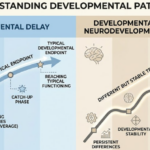
Can Autism Get Worse With Age? Autism doesn’t necessarily get worse with age, but the way it presents can change as individuals face new life demands and transitions. While the core characteristics of autism remain stable, challenges may become more noticeable during periods of stress, major life changes, or when support systems are inadequate.
Understanding how autism evolves throughout different life stages helps families, caregivers, and individuals with autism prepare for transitions and access appropriate support. This guide explores the factors that influence autism presentation over time, what changes to expect, and how to navigate each developmental phase successfully.
Does Autism Severity Change Over Time?
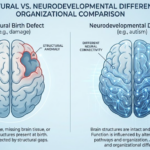
Autism is a lifelong neurodevelopmental condition, but its presentation isn’t static. Research shows that autism characteristics can shift in intensity depending on various internal and external factors rather than following a predictable worsening pattern.
Understanding Autism as a Spectrum
Autism exists on a spectrum, meaning each person experiences it differently. Some individuals need substantial support in daily activities, while others require minimal assistance. This spectrum isn’t about “mild” or “severe” autism but rather about the level of support needed in different areas of life.
The spectrum nature means that someone might excel in certain skills while facing significant challenges in others. For example, a person might have strong analytical abilities but struggle with social communication. These strengths and challenges don’t necessarily intensify uniformly as someone ages.
Support needs can fluctuate based on environment, stress levels, physical health, and available resources. A person who manages well in a structured, predictable setting might experience more difficulties in chaotic or unfamiliar environments.
Factors That Influence Autism Presentation
Several key factors affect how autism presents throughout a person’s life:
Environmental Changes: Major transitions like starting school, entering adolescence, or beginning employment can reveal new challenges. The structured environment of elementary school might suit an autistic child well, but the social complexity of middle school could increase stress.
Co-occurring Conditions: Many autistic individuals also experience anxiety, depression, ADHD, or sensory processing difficulties. These conditions can worsen over time if left untreated, making autism characteristics seem more pronounced.
Access to Support: Early intervention and ongoing therapy significantly impact outcomes. Individuals who receive consistent, appropriate support often develop better coping strategies. Without adequate support, managing daily challenges becomes harder.
Physical Health: Sleep problems, gastrointestinal issues, and chronic pain are common in autistic individuals. When physical health declines, it can affect emotional regulation, communication, and behavior.
Burnout and Masking: Many autistic people learn to “mask” or hide their autistic traits to fit in socially. This constant effort can lead to burnout, especially in adulthood, making autism characteristics more visible.
How Autism Changes Across Different Life Stages
Autism manifests differently as individuals move through childhood, adolescence, and adulthood. Understanding these patterns helps in planning appropriate support and interventions.
Early Childhood (Ages 0-5)
During early childhood, autism characteristics typically become more apparent. Parents might notice delayed speech, limited eye contact, repetitive behaviors, or intense interests in specific objects or topics.
This stage is critical for intervention. Early support through therapies like ABA therapy in Fairfax, VA can help children develop communication skills, social understanding, and adaptive behaviors. The brain’s plasticity during these years means children often make significant progress with consistent intervention.
Common challenges in early childhood include difficulty with transitions, sensory sensitivities, and trouble understanding social cues. However, many children also show remarkable strengths in memory, pattern recognition, or specific skill areas.
Middle Childhood (Ages 6-12)
The school years bring new social and academic demands. While some children continue developing skills and adapting well, others might struggle more as expectations increase.
Academic challenges can emerge, particularly in areas requiring abstract thinking, organization, or social collaboration. Conversely, many autistic children excel in subjects that match their interests and learning styles.
Peer relationships become more complex during these years. Children might notice they’re different from classmates, which can affect self-esteem. Bullying unfortunately becomes more common, potentially leading to anxiety or depression.
Structured interventions like ABA therapy in Manassas, VA can help children navigate social situations, develop friendships, and build independence skills during this crucial period.
Adolescence (Ages 13-18)
Adolescence presents unique challenges for autistic individuals. Hormonal changes, increased social complexity, and pressure to fit in can make this period particularly difficult.
Social expectations become more nuanced and unspoken. While neurotypical teens often navigate these changes intuitively, autistic teens may struggle to keep up, leading to social isolation or anxiety.
Many autistic adolescents experience increased anxiety or depression during these years. The stress of masking, academic pressure, and social difficulties can become overwhelming.
However, adolescence also brings opportunities. Many teens develop stronger special interests that can lead to career paths. Some gain better self-awareness and start advocating for their needs.
Adulthood (Ages 18+)
Adulthood brings both challenges and opportunities. The transition from structured school environments to independent living, higher education, or employment can be jarring.
Some autistic adults thrive when they find supportive work environments that match their skills and interests. Others struggle with job interviews, workplace social dynamics, or sensory overwhelming environments.

Relationship challenges often persist or become more complex. Romantic relationships, maintaining friendships, and navigating family dynamics require ongoing effort and support.
Adult autistic individuals may experience burnout from years of masking or navigating a world not designed for them. This can make autism traits more visible and daily functioning more challenging.
Why Some People Experience Increased Challenges
While autism itself doesn’t worsen, several factors can make it seem like symptoms are intensifying over time.
Life Transitions and Increased Demands
Each life stage brings new expectations. The jump from high school to college or independent living requires skills that weren’t previously necessary. These transitions can expose areas where someone needs more support.
Starting a job, moving to a new city, or beginning a relationship all require adaptation. For autistic individuals, these changes can be particularly taxing because they disrupt established routines and coping mechanisms.
Without adequate preparation and support during transitions, stress levels increase, making it harder to manage sensory sensitivities, communication challenges, or executive functioning difficulties.
Burnout From Masking
Many autistic individuals learn to mask their traits to appear “normal.” This constant effort to suppress stimming, force eye contact, or navigate social situations contrary to their natural instincts is exhausting.
Masking can be successful in the short term but often leads to burnout over years. When burnout occurs, people may lose previously developed coping skills, experience increased meltdowns, or struggle with tasks they previously managed.
Recovery from autistic burnout requires reducing demands, increasing support, and allowing authentic expression of autistic traits rather than suppressing them.
Mental Health Challenges
Anxiety and depression are significantly more common in autistic individuals than in the general population. These conditions can develop or worsen over time due to chronic stress, social isolation, or traumatic experiences.
When mental health declines, it affects everything else. Communication becomes harder, sensory sensitivities intensify, and emotional regulation becomes more difficult. Treating co-occurring mental health conditions often helps reduce what appears to be worsening autism.
Conditions like Fragile X Syndrome can also co-occur with autism, creating additional challenges that require specialized support.
Supporting Autistic Individuals Across the Lifespan
Appropriate support makes a substantial difference in how autism presents and how individuals cope with challenges at every age.
Early Intervention Strategies
Research consistently shows that early intervention leads to better long-term outcomes. Starting therapy between ages 2-4 often yields the most significant progress, though support at any age is beneficial.
Effective early intervention focuses on:
- Communication development: Teaching functional communication, whether through speech, signs, or assistive technology
- Social skills: Building foundation skills for interaction and relationship-building
- Adaptive behaviors: Developing self-care, daily living skills, and independence
- Sensory regulation: Helping children understand and manage sensory needs
Programs like ABA therapy in Harrisonburg, VA provide structured, evidence-based interventions tailored to each child’s unique needs and strengths.
Ongoing Support Throughout Life
Support shouldn’t end after childhood. Adolescents and adults benefit from continued access to:
| Support Type | Purpose | Examples |
| Therapeutic Services | Address specific skills or challenges | Speech therapy, occupational therapy, counseling |
| Educational Support | Ensure academic success | IEPs, accommodations, specialized instruction |
| Social Skills Training | Build relationship and communication skills | Social groups, coaching, peer mentoring |
| Vocational Training | Prepare for employment | Job coaching, internships, career counseling |
| Mental Health Services | Treat anxiety, depression, trauma | Therapy, medication management, support groups |
| Life Skills Coaching | Build independence | Budgeting, cooking, transportation, self-advocacy |
Services like ABA therapy in Annandale, VA can be adapted for older children and teens to work on age-appropriate goals.
Creating Supportive Environments
The right environment significantly reduces stress and helps autistic individuals thrive. Supportive environments include:
Predictable Routines: Clear schedules and advance notice of changes reduce anxiety and help with emotional regulation.
Sensory Accommodations: Adjusting lighting, noise levels, and sensory input to individual needs prevents overwhelm and meltdowns.
Clear Communication: Using direct, concrete language and visual supports helps understanding and reduces frustration.
Acceptance and Understanding: Environments where autistic traits are accepted rather than punished allow individuals to be authentic without constant masking.
Flexibility: While structure helps, some flexibility for individual needs and preferences is essential.
Recognizing and Addressing Autism-Related Challenges
Understanding what to watch for helps families and individuals seek appropriate support before challenges become overwhelming.
Communication Changes
Communication abilities can fluctuate based on stress, environment, and overall well-being. Some autistic individuals lose previously acquired speech during stressful periods or may rely more on alternative communication methods.

Changes to watch for include increased difficulty expressing needs, withdrawal from conversation, or increased frustration during communication attempts. These might indicate a need for additional support or communication tools.
Some autistic individuals experience speech differences like stuttering as a sign of autism, which may become more noticeable during stressful periods.
Behavioral Changes
Increased meltdowns, aggression, self-injury, or withdrawal often signal underlying issues rather than autism “worsening.” These behaviors typically communicate unmet needs, sensory overwhelm, pain, or emotional distress.
When behavioral changes occur, consider:
- Recent environmental or routine changes
- Physical health issues (pain, illness, sleep problems)
- Increased demands or stress
- Sensory environment changes
- Communication barriers
Addressing the root cause rather than just the behavior is crucial for long-term improvement.
Sensory Processing Differences
Sensory sensitivities can become more or less intense over time. Someone who previously tolerated certain sounds might find them unbearable later, or vice versa.
Environmental factors, stress levels, and overall health all influence sensory processing. During high-stress periods, sensory sensitivities often intensify, making previously manageable environments overwhelming.
Supporting sensory needs through accommodations, sensory tools, and environmental modifications helps maintain regulation and reduces stress.
Treatment Options and Interventions
Various evidence-based interventions support autistic individuals throughout their lives, addressing specific challenges while building on strengths.
Behavioral Therapies
Applied Behavior Analysis (ABA) is one of the most researched interventions for autism. Modern ABA focuses on teaching functional skills, reducing barriers to learning, and improving quality of life through positive reinforcement and individualized programs.
ABA can address communication, social skills, adaptive behaviors, academic skills, and reduce behaviors that interfere with learning or safety. When delivered by qualified professionals, ABA respects individual autonomy while building skills.
Medical and Therapeutic Interventions
While there’s no medication for autism itself, various treatments address co-occurring conditions:
| Intervention Type | Addresses | Considerations |
| Medication | Anxiety, depression, ADHD, aggression | Requires medical supervision; benefits and side effects vary |
| Occupational Therapy | Sensory processing, fine motor skills, daily living skills | Helps with independence and sensory regulation |
| Speech Therapy | Communication, language development, social communication | Beneficial at any age for various communication needs |
| Physical Therapy | Motor skills, coordination, strength | Addresses motor challenges common in autism |
| Nutritional Support | GI issues, dietary restrictions, nutritional deficiencies | Many autistic individuals have food sensitivities or limited diets |
Some treatments like Leucovorin for autism are being researched for specific subgroups of autistic individuals.
Educational and Social Support
Schools play a crucial role in supporting autistic students. Individualized Education Programs (IEPs) or 504 plans ensure appropriate accommodations and services.
Social skills groups, peer mentoring programs, and inclusive activities help build relationships and social understanding in supportive settings. These opportunities are valuable throughout childhood and adolescence.
Building Resilience and Self-Advocacy
Teaching autistic individuals to understand themselves, advocate for their needs, and build on their strengths creates the foundation for lifelong success.

Understanding Individual Strengths
Every autistic person has unique strengths and interests. Identifying and nurturing these creates opportunities for success, builds confidence, and provides direction for education and career planning.
Common strengths include attention to detail, pattern recognition, strong memory, logical thinking, creativity, and deep knowledge in areas of interest. Supporting these strengths while addressing challenges creates a balanced approach.
Developing Self-Advocacy Skills
Self-advocacy means understanding one’s needs and effectively communicating them to others. This crucial skill develops over time with guidance and practice.
Teaching self-advocacy includes:
- Learning about autism and how it affects them personally
- Identifying specific needs and preferences
- Practicing asking for accommodations or support
- Understanding rights and protections
- Building confidence in expressing needs
Starting these conversations early, even in childhood, builds foundation for independence and self-determination in adulthood.
Finding Community and Support
Connection with other autistic individuals and supportive communities reduces isolation and provides validation. Many autistic people find strength in connecting with others who share similar experiences.
Support groups, online communities, and autism-focused organizations offer opportunities for connection, information sharing, and advocacy. These connections often help individuals understand they’re not alone in their experiences.
Wrapping Up: Understanding Autism Across the Lifespan
Autism doesn’t inherently worsen with age, but the challenges individuals face can change as life demands shift and new situations arise. Understanding these patterns helps families and individuals prepare for transitions, access appropriate support, and build on strengths at every stage.
The key to positive outcomes lies in early intervention, ongoing support, environmental accommodations, and acceptance of autistic traits rather than forcing conformity. When autistic individuals receive understanding, appropriate services, and opportunities to be authentic, they can thrive throughout their lives.
Remember that each autistic person’s journey is unique. What works for one individual may not work for another, and support needs will vary. Working with qualified professionals, staying informed, and maintaining open communication creates the best foundation for navigating autism across the lifespan.
Frequently Asked Questions
Why is my autism getting worse as I get older?
Your autism isn’t getting worse, but you may be experiencing burnout from years of masking, facing increased life demands, or dealing with untreated co-occurring conditions like anxiety or depression. Major life transitions, lack of adequate support, or accumulated stress can make autism characteristics more visible. Addressing these underlying factors through therapy, accommodations, and reducing masking often helps improve daily functioning and overall well-being.
What are the symptoms of high-functioning autism?
The term “high-functioning autism” is outdated, but it typically referred to autistic individuals with average or above-average intelligence who can speak and manage many daily tasks independently. Common characteristics include difficulty reading social cues, intense focused interests, preference for routines, sensory sensitivities, direct communication style, and challenges with executive functioning. These individuals often mask their autistic traits in social situations, which can lead to exhaustion and burnout over time.
What is the hardest age for autism?
Adolescence (ages 13-18) is often cited as the most challenging period for autistic individuals. During these years, social expectations become more complex and nuanced, hormonal changes occur, academic demands increase, and peer pressure intensifies. Many autistic teens struggle with identity, increased anxiety or depression, and the exhausting effort of fitting in socially. However, the “hardest age” varies by individual based on their specific challenges, support systems, and life circumstances.
Why is high-functioning autism no longer used?
The term “high-functioning autism” is no longer used because it minimizes the real challenges individuals face and creates misleading categories within the autism spectrum. Someone labeled “high-functioning” might still struggle significantly with anxiety, sensory issues, or daily living skills despite appearing capable. The current diagnostic approach focuses on support needs rather than functioning labels, recognizing that someone might need substantial support in some areas while being independent in others.
What does severe autism look like?
Individuals with high support needs (previously called “severe autism”) typically require substantial assistance with daily activities, communication, and safety. This may include limited or no verbal speech, significant sensory sensitivities, challenges with self-care tasks, intense repetitive behaviors, and difficulty navigating changes or transitions. However, each person is unique, and support needs can vary across different environments and situations. Many individuals with high support needs communicate effectively through alternative methods and have rich inner lives.
Is autism a disability?
Yes, autism is recognized as a developmental disability under laws like the Americans with Disabilities Act (ADA). This classification ensures access to necessary supports, accommodations, and protections against discrimination. However, many in the autism community also view autism as a neurological difference rather than solely a deficit. This perspective acknowledges both the challenges autistic individuals face in a world designed for neurotypical people and the unique strengths and perspectives autism brings.