Why is autism life expectancy lower? Research indicates that individuals with autism spectrum disorder (ASD) have a life expectancy that’s approximately 16-18 years shorter than the general population. This gap isn’t caused by autism itself, but rather by associated health conditions, accident risks, and mental health challenges that can be addressed with proper support and early intervention.
Understanding these factors helps families, caregivers, and communities create better support systems. When we recognize what contributes to this disparity, we can take meaningful steps to improve health outcomes and quality of life for individuals on the spectrum.
What Does the Research Tell Us About Autism and Life Expectancy?
Multiple studies across different countries have examined mortality rates among people with autism. The findings consistently show a concerning pattern—individuals with ASD face higher mortality rates compared to neurotypical peers.
A landmark Swedish study published in 2015 tracked over 27,000 individuals with autism and found that those without intellectual disability had an average life expectancy reduction of about 12 years. For those with both autism and intellectual disability, the reduction was even more significant.
British research has shown similar patterns, with mortality rates being 2.5 times higher among autistic adults compared to the general population. These statistics highlight a serious health equity issue that deserves attention and action.
At Dream Bigger ABA, we believe early intervention and comprehensive support can help address many of the factors contributing to this life expectancy gap. Understanding the specific risks allows us to develop targeted strategies for prevention and improved care.
Primary Factors Contributing to Lower Life Expectancy
The reduced life expectancy in autism isn’t random. Researchers have identified several key factors that contribute to this disparity. These factors are interconnected and often compound each other’s effects.
Health Conditions and Medical Complications
People with autism experience higher rates of various medical conditions that can impact longevity. Epilepsy affects approximately 20-30% of individuals with ASD, compared to just 1% of the general population. Seizure disorders can lead to serious complications if not properly managed.
Gastrointestinal issues are another common concern. Many autistic individuals experience chronic digestive problems, which can affect nutrition and overall health. Sleep disorders, cardiac abnormalities, and immune system irregularities also occur at higher rates.
The challenge isn’t just having these conditions—it’s getting appropriate diagnosis and treatment. Communication difficulties can make it harder for individuals with autism to describe symptoms or discomfort, leading to delayed medical intervention.
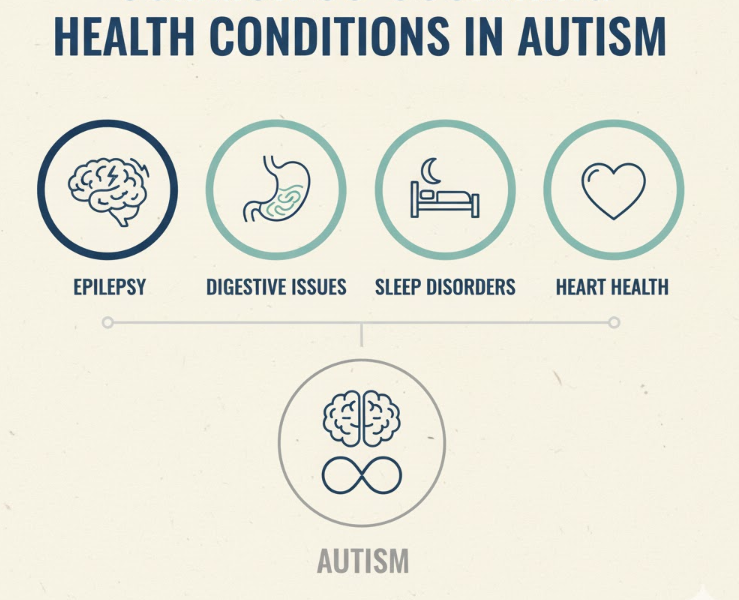
| Health Factor | Impact on Life Expectancy |
| Epilepsy and Seizure Disorders | Significantly increases mortality risk, especially if seizures are poorly controlled or undiagnosed |
| Cardiovascular Issues | Higher rates of congenital heart defects and cardiac irregularities that require ongoing monitoring |
| Gastrointestinal Problems | Chronic digestive issues can lead to malnutrition and secondary health complications |
| Sleep Disorders | Poor sleep quality contributes to weakened immune function and increased accident risk |
Accident and Injury Risks
Accidental death rates are substantially higher among individuals with autism. Drowning is a leading cause of death in autistic children, occurring at rates 40 times higher than in the general pediatric population.
Many children with autism are drawn to water but may lack the understanding of danger or the ability to call for help. Wandering behaviors, known as elopement, put individuals at risk of traffic accidents and exposure to environmental hazards.
Sensory processing differences can affect safety awareness. Someone who doesn’t process pain signals typically might not recognize when they’re injured or in danger. Impulsivity and difficulty understanding cause-and-effect relationships can also contribute to accident risk.
Mental Health Challenges
Mental health conditions dramatically impact life expectancy in the autism community. Depression affects approximately 40% of adults with autism, and anxiety disorders are even more common.
The suicide rate among autistic individuals is disturbingly high—some studies suggest it’s nine times higher than in the general population. Social isolation, difficulty navigating social expectations, and sensory overload contribute to chronic stress and mental health struggles.
Many autistic individuals experience what’s called “autistic burnout”—a state of physical and emotional exhaustion from constantly adapting to a world not designed for their neurological needs. This chronic stress takes a toll on both mental and physical health.
Access to appropriate mental health care remains a significant barrier. Many therapists lack training in autism, and communication differences can make traditional talk therapy less effective. If you’re seeking support, ABA therapy in Leesburg, VA offers specialized approaches that consider both behavioral and emotional wellbeing.
Why Healthcare Access Makes Such a Difference
The healthcare system presents unique challenges for individuals with autism. Sensory sensitivities can make medical environments overwhelming—bright lights, strong smells, and unexpected touches can trigger intense distress.
Communication barriers mean that symptoms might go unreported or misunderstood. An autistic person might not make eye contact or respond to questions in expected ways, which some healthcare providers unfortunately misinterpret as non-compliance or lack of understanding.
Many medical professionals receive minimal training about autism in their education. They may not recognize how autism affects pain expression, medication response, or cooperation with treatment plans. This knowledge gap can lead to misdiagnosis or inadequate care.
Preventive care often falls through the cracks. Routine screenings, dental care, and health monitoring require navigating complex systems and tolerating uncomfortable procedures—barriers that can lead autistic individuals to avoid necessary medical care altogether.

The Role of Support Level and Intellectual Disability
Autism exists on a spectrum, and life expectancy varies considerably depending on support needs. Understanding what is Level 1 autism versus more intensive support requirements helps explain this variation.
Individuals with higher support needs or co-occurring intellectual disability face greater challenges. They may require assistance with daily living skills, have more difficulty communicating medical concerns, and experience more severe associated health conditions.
However, this doesn’t mean outcomes are predetermined. With appropriate support systems, specialized healthcare, and skilled caregivers, individuals with significant support needs can live fulfilling lives. The key is ensuring access to resources that address specific challenges.
| Support Level | Key Life Expectancy Factors |
| Level 1 (Requiring Support) | Generally closer to typical life expectancy; primary risks include mental health challenges and accident prevention |
| Level 2 (Requiring Substantial Support) | Increased health monitoring needs; communication supports essential for medical care |
| Level 3 (Requiring Very Substantial Support) | Comprehensive medical oversight critical; higher rates of co-occurring conditions requiring specialized care |
Research on what is Level 3 autism shows that intensive, consistent support can significantly improve health outcomes and quality of life, even when support needs are substantial.
What Families and Communities Can Do
The good news is that many factors affecting life expectancy are modifiable. Families and support systems can take concrete steps to improve outcomes.
Early Intervention and Ongoing Support
Early identification and intervention make a measurable difference. Programs that teach communication skills, safety awareness, and self-advocacy help individuals navigate their environment more safely. ABA therapy in Harrisonburg, VA provides evidence-based approaches that build essential life skills.
Teaching water safety from a young age is critical given drowning risks. Swimming lessons adapted for sensory needs, combined with environmental safeguards like pool fences and door alarms, save lives.
Social skills training and mental health support should be ongoing priorities. Learning to recognize and communicate emotions, understanding when to ask for help, and developing coping strategies for anxiety all contribute to better long-term outcomes.
Creating Autism-Friendly Healthcare
Healthcare providers can make simple accommodations that dramatically improve care quality. Sensory-friendly waiting rooms, visual schedules for appointments, and allowing extra time for visits help reduce anxiety and improve cooperation.
Training medical staff about autism communication styles ensures better information exchange. Accepting alternative communication methods—whether through assistive technology, writing, or with support people present—leads to more accurate diagnoses.
Establishing a medical home with providers experienced in autism creates continuity of care. When doctors understand an individual’s baseline behaviors and communication style, they’re better equipped to identify when something is wrong.
Building Safety Skills and Awareness
Teaching safety awareness requires patience and creativity. Visual supports showing dangerous situations, social stories about water safety, and repeated practice in controlled environments all help build understanding.
For individuals prone to wandering, technology like GPS tracking devices provides a safety net. Environmental modifications—secure locks, fencing, and monitoring systems—create layers of protection.
Teaching self-advocacy skills empowers autistic individuals to speak up about their needs and discomfort. Even nonverbal individuals can learn to use communication devices or pictures to indicate when they don’t feel well or need help.

Addressing Mental Health Proactively
Mental health support shouldn’t wait for a crisis. Regular check-ins about emotional wellbeing, teaching emotional regulation strategies, and creating sensory-friendly coping spaces all contribute to better mental health.
Understanding that autistic burnout is real helps families recognize warning signs early. When someone becomes more withdrawn, loses previously mastered skills, or shows increased sensory sensitivity, they may need temporary reduction in demands and increased support.
Finding therapists trained in autism makes treatment more effective. Approaches like cognitive behavioral therapy adapted for autism, acceptance and commitment therapy, and sensory integration therapy can address anxiety and depression while respecting neurodivergent communication styles.
Building community connections reduces isolation. Whether through autism-specific social groups, special interest clubs, or online communities, having connections with people who understand their experience improves mental health outcomes.
Many families wonder does autism run in families and whether siblings might also need support. Understanding family patterns helps ensure all family members receive appropriate resources.
The Importance of Transition Planning
Adolescence and young adulthood present particular risks. Transition planning that addresses healthcare, living situations, employment, and social connections helps prevent the gaps in support that often occur when individuals age out of pediatric services.
Teaching healthcare self-management—understanding medications, knowing when to seek care, and managing appointments—prepares young adults for greater independence while maintaining necessary support.
Planning for living situations that provide appropriate supervision while fostering autonomy helps maintain safety. Whether that’s supported living arrangements, group homes, or adapted family living, the right environment supports both wellbeing and independence.
Looking Toward Better Outcomes
Research into why is autism life expectancy lower continues to evolve, and so do interventions. The autism community increasingly recognizes that addressing this disparity requires systemic change—in healthcare, education, community planning, and social support.
Advocacy efforts are working to improve healthcare provider training, increase access to mental health services, and develop better safety interventions. As understanding grows, outcomes improve.
Every individual with autism deserves the opportunity to live a long, healthy, meaningful life. By addressing the specific factors that contribute to reduced life expectancy, we can close this gap and ensure better futures for autistic individuals.
At Dream Bigger ABA, we’re committed to providing comprehensive support that addresses not just behavioral goals, but overall health, safety, and wellbeing. Through family collaboration, evidence-based practices, and individualized care plans, we help build foundations for healthier, longer lives.
Wrapping Up: Hope Through Understanding and Action
So why is autism life expectancy lower? The answer lies not in autism itself, but in addressable factors—health conditions that need better management, accidents that can be prevented, and mental health challenges that deserve proper support. Understanding these factors empowers families and communities to make meaningful changes.
The gap in life expectancy isn’t inevitable. With early intervention, appropriate healthcare, safety education, and mental health support, we can improve outcomes significantly. Every step toward better understanding and support moves us closer to a future where autistic individuals live as long and fully as their neurotypical peers.
If you’re looking for comprehensive support that considers all aspects of health and wellbeing, reach out to learn more about how specialized intervention can make a difference in your family’s journey.
FAQs About Autism and Life Expectancy
Do people with autism have a shorter life span?
Yes, research shows autistic individuals have a life expectancy approximately 16-18 years shorter than the general population. This gap results from higher rates of health complications, accidents, and mental health challenges rather than autism itself. The difference varies based on support needs and whether intellectual disability is present. With appropriate healthcare, safety measures, and mental health support, many of these risks can be reduced.
Can someone with severe autism live a normal life?
Yes, individuals with significant support needs can live fulfilling, meaningful lives with appropriate resources. “Normal” looks different for everyone, but quality of life doesn’t depend on functioning labels. Comprehensive support, specialized healthcare, and adaptive environments enable individuals with higher support needs to thrive. Success depends more on having the right supports than on autism severity itself.
Do autistics have high IQ?
Intelligence varies widely among autistic individuals, just as in the general population. Some autistic people have above-average IQ, some have average IQ, and some have intellectual disabilities. About 30-40% of autistic individuals have co-occurring intellectual disability. IQ doesn’t determine quality of life or support needs—many highly intelligent autistic people need substantial support, while some with lower IQ scores develop strong independence skills.
Why is life so hard as an autistic person?
Autistic individuals face challenges largely because society isn’t designed for neurological differences. Sensory environments, social expectations, communication styles, and work structures favor neurotypical processing. This constant need to adapt creates exhaustion and stress. Additionally, stigma, lack of understanding, and limited access to appropriate support make daily life more difficult than it needs to be. With accommodations and acceptance, many of these challenges reduce significantly.
What is 90% of autism caused by?
This statistic likely refers to genetic factors, which research suggests contribute to 80-90% of autism risk. Autism is highly heritable, meaning genetic variations play the primary role in its development. Environmental factors may contribute to the remaining 10-20%. To learn more about genetic patterns, you can explore who carries the autism gene mother or father. It’s important to note that autism isn’t “caused” by any single factor but develops from complex genetic and environmental interactions.