Rett syndrome is a rare genetic neurological disorder that profoundly affects brain development, primarily impacting girls and causing significant challenges with movement, communication, and daily functioning. This devastating condition affects nearly every aspect of a child’s life, including their ability to speak, walk, eat, and even breathe normally.
Understanding Rett syndrome is crucial for families, caregivers, and healthcare professionals. While there’s currently no cure, early diagnosis and comprehensive treatment approaches can significantly improve quality of life for those affected by this complex disorder.
In this comprehensive guide, we’ll explore what Rett syndrome is, its stages of progression, symptoms to watch for, and the latest treatment options available to help families navigate this challenging journey.
Get specialized support for your child’s developmental needs. Learn more about our ABA therapy services in Alexandria, VA for comprehensive behavioral intervention.
What Is Rett Syndrome
Rett syndrome is a rare neurodevelopmental disorder caused by genetic mutations that disrupt normal brain development. This condition occurs almost exclusively in girls, affecting approximately 1 in 10,000 to 15,000 female births worldwide.

The disorder was first described by Austrian pediatrician Andreas Rett in 1966, though it wasn’t widely recognized until the 1980s. What makes Rett syndrome particularly heartbreaking is that affected children typically develop normally for the first 6 to 18 months of life before experiencing a devastating regression.
Basic Definition and Characteristics
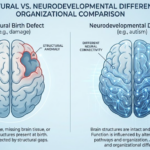
Rett syndrome is classified as a neurodevelopmental disorder rather than a degenerative disease. This distinction is important because it means that while children lose previously acquired skills, the condition doesn’t progressively worsen throughout life in the traditional sense.
The hallmark features of Rett syndrome include the loss of purposeful hand use, distinctive repetitive hand movements, communication difficulties, and problems with movement and coordination. Children with this condition often develop a characteristic hand-wringing motion that becomes almost constant.
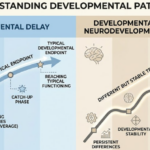
Unlike some developmental disorders, Rett syndrome follows a relatively predictable pattern of regression followed by stabilization. This pattern helps medical professionals diagnose the condition and provides families with some understanding of what to expect.
How It Differs From Other Developmental Disorders
Rett syndrome is often initially misdiagnosed as autism, cerebral palsy, or other developmental delays because early symptoms can appear similar. However, several key differences set Rett syndrome apart from other conditions.
The most significant difference is the pattern of typical early development followed by regression. While children with autism may show delays from early infancy, those with Rett syndrome typically meet developmental milestones normally before losing these skills.
The specific hand movements seen in Rett syndrome are also distinctive. These repetitive motions are different from the stimming behaviors commonly seen in autism, as they appear more purposeless and constant.
Understanding behavioral patterns is essential for proper intervention. Explore our guide on what is stimming in autism to learn about different repetitive behaviors.
Genetic Basis and Inheritance Patterns
Rett syndrome is caused by mutations in the MECP2 gene, located on the X chromosome. This gene produces a protein called MeCP2, which plays a crucial role in regulating other genes involved in brain development and function.
In over 95% of Rett syndrome cases, the mutation occurs spontaneously during conception and is not inherited from parents. This means that parents did nothing to cause their child’s condition, and siblings typically have no increased risk of developing the disorder.
The X-linked nature of the condition explains why it primarily affects girls. Boys with MECP2 mutations typically experience more severe symptoms and often don’t survive past infancy, though rare cases of boys with Rett syndrome have been reported.
The Four Stages of Rett Syndrome
Rett syndrome progresses through four distinct stages, each with characteristic symptoms and timelines. Understanding these stages helps families and healthcare providers anticipate changes and plan appropriate interventions.
Stage 1: Early Onset (6-18 months)
The first stage is often called the “stagnation” phase because development begins to slow rather than showing obvious regression. This stage typically lasts from a few months to a year and can be easy to miss because changes are gradual and subtle.
During this stage, parents may notice their child making less eye contact, showing decreased interest in toys, and experiencing delays in sitting or crawling. The child may also demonstrate hypotonia (low muscle tone) and begin to show less interaction with their surroundings.
Hand skills may start to decline during this phase, though the characteristic hand movements haven’t yet developed. Sleep patterns might become disrupted, and the child may seem less engaged with family members and caregivers.
Stage 2: Rapid Deterioration (1-4 years)
Stage 2 is often the most difficult period for families, as this is when the most dramatic loss of skills occurs. Children lose the ability to speak, use their hands purposefully, and may stop walking if they had already begun.
The hallmark repetitive hand movements typically develop during this stage. These may include hand-wringing, clapping, tapping, or hand-to-mouth movements that become almost constant during waking hours.
Communication becomes severely impaired, and children may lose the ability to make eye contact or respond to their names. Breathing irregularities, including hyperventilation and breath-holding, often begin during this phase.
Professional support is crucial during challenging developmental periods. Consider our ABA therapy services in Dale City, VA for specialized behavioral intervention.
Stage 3: Plateau Phase (2-10 years)
The plateau stage often brings some relief for families, as the rapid loss of skills stabilizes. While children don’t regain lost abilities, the progression of symptoms slows significantly, and some improvements may even occur.
During this phase, seizures often develop, affecting about 80% of children with Rett syndrome. However, communication skills may improve slightly, with children showing better eye contact and potentially developing non-verbal communication methods.
Hand use may improve somewhat, though the repetitive movements typically continue. Children may show more interest in social interaction and their environment, even though they cannot express themselves verbally.
This stage can last for years or even decades, representing the longest phase of the disorder for most individuals.
Stage 4: Late Motor Deterioration (10+ years)
The final stage is characterized by reduced mobility and increased muscle weakness. Many individuals develop scoliosis (curvature of the spine), joint contractures, and may lose the ability to walk if they had maintained this skill.
Despite these physical challenges, communication and hand skills often remain stable or may even improve slightly during this stage. Seizures may become less frequent, and many families report that their loved ones seem more content and less irritable.
This stage can last for decades, and with proper medical care and support, many individuals with Rett syndrome live well into adulthood.
Recognizing Rett Syndrome Symptoms
Early recognition of Rett syndrome symptoms is crucial for obtaining proper diagnosis and beginning appropriate interventions. The symptoms can be organized into several categories, each affecting different aspects of development and daily functioning.

Physical and Motor Symptoms
The most recognizable physical symptom of Rett syndrome is the characteristic repetitive hand movements. These purposeless movements replace normal hand function and may include wringing, clapping, tapping, or bringing hands to the mouth.
Motor skills become significantly impaired, with many children losing the ability to walk or developing an unsteady, wide-based gait. Muscle tone abnormalities are common, with children often showing hypotonia (low muscle tone) or developing muscle stiffness over time.
Growth retardation is another key feature, with children showing slowed growth in height, weight, and head circumference. The slowing of head growth (microcephaly) is often one of the first measurable signs of the disorder.
Communication and Social Challenges
Children with Rett syndrome experience severe communication impairments, losing spoken language skills they had previously developed. This loss can be gradual or sudden, often occurring during the rapid deterioration phase.
Eye contact and social engagement decrease dramatically, with children appearing to withdraw from interaction with family members and caregivers. They may seem disinterested in toys, activities, and their surroundings.
Despite these challenges, many children retain some ability to communicate through eye gaze, facial expressions, and body language. Some may learn to use communication devices or picture boards to express basic needs and preferences.
Understanding different levels of communication challenges helps in planning appropriate interventions. Learn about [what is level 2 autism] to understand varying support needs.
Breathing and Autonomic Issues
Breathing irregularities are common in Rett syndrome and can be concerning for families. These may include hyperventilation (rapid breathing), breath-holding episodes, and forceful expulsion of air or saliva.
These breathing problems typically occur during waking hours and usually resolve during sleep. While they can appear alarming, they rarely cause serious medical complications.
Other autonomic issues may include temperature regulation problems, with hands and feet often being cold, and gastrointestinal problems such as constipation and feeding difficulties.
Seizures and Neurological Symptoms
Seizures affect approximately 80% of individuals with Rett syndrome, typically beginning during the plateau phase. These seizures can take various forms, including generalized tonic-clonic seizures, partial seizures, or drop attacks.
Sleep disturbances are also common, with children experiencing difficulty falling asleep, frequent night wakings, and irregular sleep patterns. These sleep problems can significantly impact both the child and family functioning.
Some children may also experience episodes of intense crying or screaming without apparent cause, particularly during the rapid deterioration phase.
Diagnosis and Medical Evaluation
Diagnosing Rett syndrome requires careful clinical observation combined with genetic testing. The process can be complex because early symptoms may be subtle and similar to other developmental disorders.
Clinical Diagnostic Criteria
The diagnosis of Rett syndrome is primarily clinical, based on observing specific symptoms and developmental patterns. Healthcare providers use established criteria that include both required features and supportive clinical features.
Required features for diagnosis include a period of regression after normal early development, loss of purposeful hand skills, loss of spoken language, and distinctive hand stereotypies. The timing and pattern of these changes are crucial for accurate diagnosis.
Supportive features may include breathing irregularities, teeth grinding, sleep disturbances, abnormal muscle tone, peripheral vasomotor disturbances (cold hands and feet), scoliosis, and growth retardation.
Professional evaluation is essential for accurate diagnosis. Our ABA therapy services in Centreville, VA include comprehensive assessment and individualized treatment planning.
Genetic Testing Process
Genetic testing involves analyzing a blood sample to look for mutations in the MECP2 gene. This test can confirm a suspected diagnosis but is not required for clinical diagnosis, as some individuals with Rett syndrome may not have detectable MECP2 mutations.
The genetic test examines all parts of the MECP2 gene, including sequencing all four exons and checking for large deletions. In some cases, testing for other genes such as CDKL5 and FOXG1 may be recommended if symptoms suggest atypical Rett syndrome.
Results typically take several weeks, and genetic counseling is often recommended to help families understand the implications of test results and discuss family planning considerations.
Differential Diagnosis Considerations
Healthcare providers must rule out other conditions that can cause similar symptoms. This process, called differential diagnosis, may involve additional testing and evaluation by multiple specialists.
Conditions that may be considered include autism spectrum disorders, cerebral palsy, metabolic disorders, and other genetic syndromes. The key distinguishing feature of Rett syndrome is the pattern of normal early development followed by regression.
Brain imaging, metabolic testing, and other specialized evaluations may be necessary to rule out other conditions and ensure an accurate diagnosis.
Treatment Approaches and Management
While there’s no cure for Rett syndrome, comprehensive treatment approaches can significantly improve quality of life and help individuals reach their maximum potential. Treatment focuses on managing symptoms and providing support for both the individual and their family.

Medical Management and Medications
In 2023, the FDA approved Trofinetide (Daybue) as the first medication specifically for treating Rett syndrome in individuals aged 2 and older. This breakthrough treatment works by reducing brain inflammation, increasing protective proteins in the brain, and preventing certain cells from becoming overactive.
Other medications are used to manage specific symptoms. Anti-seizure medications help control epilepsy, which affects about 80% of individuals with Rett syndrome. Sleep medications may be prescribed for persistent sleep disturbances.
Medications for gastrointestinal issues, including constipation and feeding problems, are commonly needed. Some individuals may benefit from medications to help with breathing irregularities, though these symptoms often improve with age.
Therapeutic Interventions
Physical therapy plays a crucial role in maintaining mobility, preventing contractures, and managing scoliosis. Regular physical therapy can help preserve walking ability, improve balance, and maintain range of motion in joints.
Occupational therapy focuses on maintaining or improving hand function, developing adaptive strategies for daily activities, and recommending assistive devices. Speech and language therapy, while unable to restore speech, can help develop alternative communication methods.
Music therapy and other creative therapies have shown promise in improving social engagement, reducing anxiety, and providing enjoyable activities that promote interaction and emotional well-being.
Behavioral interventions can be valuable components of comprehensive treatment. Learn about career opportunities in this field with our guide on how much do behavior technicians make.
Nutritional and Feeding Support
Many individuals with Rett syndrome experience feeding difficulties, including problems with chewing, swallowing, and maintaining adequate nutrition. A feeding evaluation by a speech-language pathologist can help identify specific problems and recommend strategies.
Some children may require modified food textures, special feeding techniques, or even feeding tubes to ensure adequate nutrition. Regular monitoring of growth and nutritional status is important to prevent malnutrition and support optimal development.
Constipation is a common problem that requires ongoing management through dietary modifications, increased fluid intake, and sometimes medications. Regular medical monitoring helps address these issues before they become serious.
Living with Rett Syndrome: Daily Care and Support
Caring for someone with Rett syndrome requires a comprehensive, long-term approach that addresses medical, educational, and social needs. Understanding what daily life looks like can help families prepare and access appropriate resources.
Educational and Developmental Support
Children with Rett syndrome benefit from individualized educational programs that recognize their unique learning profile. While cognitive abilities may be difficult to assess due to communication limitations, many individuals show evidence of learning and understanding.
Educational approaches should focus on developing alternative communication methods, maintaining existing skills, and providing meaningful activities that promote engagement. Assistive technology, including eye-gaze devices and communication boards, can help individuals express their needs and preferences.
Regular educational assessments help ensure that programs remain appropriate as individuals grow and change. Collaboration between families, educators, and healthcare providers is essential for developing effective educational plans.
Family Support and Resources
Caring for a child with Rett syndrome can be emotionally and physically demanding. Families benefit from connecting with support groups, both online and in-person, where they can share experiences and learn from others facing similar challenges.
Respite care services provide temporary relief for caregivers, allowing them to rest and recharge. Many communities offer specialized respite programs for families of children with complex medical needs.
Financial support may be available through various programs, including government assistance, insurance coverage for therapies, and grants from nonprofit organizations dedicated to supporting families affected by Rett syndrome.
Professional support services can make a significant difference for families. Explore our ABA therapy services in Reston, VA for comprehensive family-centered care.
Long-term Care Planning
As individuals with Rett syndrome age, care needs may change, requiring ongoing planning and adaptation. Many people with Rett syndrome live well into adulthood, necessitating transition planning for adult services and care.
Estate planning, including guardianship arrangements and financial planning, becomes important as children reach adulthood. Legal consultation can help families navigate these complex decisions and ensure their loved one’s long-term security.
Adult care services may include day programs, residential facilities, and continued medical management. Planning for these transitions early helps ensure continuity of care and support.
Current Research and Future Outlook
Research into Rett syndrome has accelerated significantly since the discovery of the MECP2 gene in 1999. Current research efforts focus on understanding the disorder better and developing new treatments that could potentially reverse or prevent symptoms.
Gene Therapy Research
Gene therapy represents one of the most promising areas of research for Rett syndrome. Early-stage clinical trials are testing methods to deliver functional copies of the MECP2 gene to brain cells, potentially restoring normal protein function.
Animal studies have shown encouraging results, with some laboratory mice showing reversal of Rett-like symptoms when the MECP2 gene is reactivated. However, developing safe and effective gene therapy for humans requires careful research to avoid potential complications.
The challenge with gene therapy for Rett syndrome is achieving the right level of MECP2 protein expression. Too little remains ineffective, while too much can cause a different syndrome with its own serious complications.
Medication Development
Beyond Trofinetide, several other medications are in development for Rett syndrome. These include drugs that target specific pathways affected by MECP2 deficiency and medications that aim to improve symptoms like breathing irregularities and motor function.
Research is also focused on understanding how MECP2 protein works and identifying other proteins that might compensate for its loss. This approach could lead to treatments that work around the genetic defect rather than trying to fix it directly.
Clinical trials continue to test various approaches, from targeted medications to novel therapeutic strategies. Participation in research studies helps advance understanding and may provide access to experimental treatments.
Quality of Life Improvements
Current research also focuses on improving quality of life through better symptom management and supportive care strategies. Studies examine the effectiveness of various therapies, assistive technologies, and care approaches.
Research into communication methods and assistive devices continues to evolve, potentially offering new ways for individuals with Rett syndrome to interact with their world and express themselves.
Understanding the natural history of Rett syndrome through long-term studies helps healthcare providers and families anticipate needs and plan appropriate interventions throughout the lifespan.
Rett Syndrome vs. Other Conditions: Key Comparisons
Understanding how Rett syndrome differs from other neurodevelopmental conditions helps ensure accurate diagnosis and appropriate treatment planning. Several conditions may initially appear similar but have distinct characteristics.
| Condition | Key Differences from Rett Syndrome | Onset Pattern | Genetic Basis |
| Autism Spectrum Disorder | No period of normal development followed by regression; different communication patterns; less severe motor impairment | Present from early infancy | Multiple genes involved |
| Cerebral Palsy | Motor symptoms present from birth; no characteristic hand movements; variable cognitive function | Present from birth | Usually acquired, not genetic |
| Angelman Syndrome | Happy demeanor; different movement patterns; seizures more prominent early | Present from infancy | UBE3A gene mutations |
| CDKL5 Disorder | Earlier seizure onset; different developmental pattern; less prominent hand stereotypies | Very early infancy | CDKL5 gene mutations |
| Symptom Category | Rett Syndrome | Typical Autism | Cerebral Palsy |
| Motor Development | Loss of previously acquired skills; characteristic hand movements | May have delays but usually no significant regression | Motor difficulties present from birth |
| Communication | Loss of speech after normal development | May have delays or differences from early on | Variable; depends on type and severity |
| Social Interaction | Initial normal social development, then withdrawal | Differences in social communication from early development | Usually preserved unless cognitive impairment present |
| Seizures | Common (80%); usually develop after age 2 | Less common (25-30%) | Variable; depends on brain injury location |
Support Resources and Organizations
Families affected by Rett syndrome have access to numerous support organizations and resources that provide information, emotional support, and practical assistance.

National and International Organizations
The International Rett Syndrome Foundation serves as a primary resource for families, healthcare providers, and researchers worldwide. They provide educational materials, support networks, and funding for research initiatives.
The Rett Syndrome Research Trust focuses specifically on advancing research toward treatments and cures. They maintain a comprehensive database of research projects and clinical trials.
Regional Rett syndrome associations in many countries provide local support, organize family events, and advocate for improved services and awareness in their communities.
Online Communities and Support Groups
Online support communities allow families to connect regardless of geographic location. These platforms provide opportunities to share experiences, ask questions, and receive emotional support from others who understand the challenges of Rett syndrome.
Social media groups, forums, and virtual support meetings have become increasingly important resources, especially for families in remote areas or those unable to attend in-person events.
Many organizations offer webinars, online educational sessions, and virtual conferences that provide access to expert information and the latest research developments.
Professional Resources
Healthcare provider directories help families locate specialists experienced in treating Rett syndrome. These resources are particularly valuable for families in areas where expertise may be limited.
Clinical trial databases provide information about ongoing research studies and opportunities for participation. These resources help families stay informed about potential new treatments and contribute to advancing knowledge about the condition.
Educational resources for teachers, therapists, and other professionals help ensure that individuals with Rett syndrome receive appropriate services and support in various settings.
Final Thoughts on Rett Syndrome
Rett syndrome represents one of the most challenging neurodevelopmental disorders families can face, but understanding the condition and accessing appropriate support can make a significant difference in quality of life. While the journey is difficult, many families find strength in connecting with others, staying informed about research developments, and celebrating small victories along the way.
The approval of the first targeted treatment for Rett syndrome marks a turning point in the field, offering hope for improved outcomes and potentially paving the way for even more effective treatments in the future. Research continues to advance rapidly, with gene therapy and other innovative approaches showing promise.
For families beginning this journey, remember that while Rett syndrome presents significant challenges, individuals with this condition can experience joy, form meaningful relationships, and contribute to their families and communities in their own unique ways. With proper support, medical care, and understanding, many people with Rett syndrome live fulfilling lives well into adulthood.
The key is accessing appropriate resources early, building a strong support team, and maintaining hope while advocating for the best possible care and opportunities for your loved one.
Frequently Asked Questions
What is the life expectancy of a person with Rett syndrome?
Many people with Rett syndrome live into adulthood and beyond, with some reaching their 40s, 50s, and even older. Life expectancy depends on the severity of symptoms and associated complications. With proper medical care and management of complications like seizures, breathing problems, and heart rhythm abnormalities, many individuals can live relatively normal lifespans. However, some may face life-threatening complications that can affect longevity.
How is Rett diagnosed?
Rett syndrome is diagnosed through clinical evaluation based on observing specific symptoms and developmental patterns, combined with genetic testing. Healthcare providers look for characteristic features including normal early development followed by regression, loss of purposeful hand skills, distinctive repetitive hand movements, and communication difficulties. A blood test can identify MECP2 gene mutations, which confirms the diagnosis in about 95% of cases.
What does a child with Rett syndrome look like?
Children with Rett syndrome may appear physically normal in infancy but often develop characteristic features over time. These can include smaller head size (microcephaly), repetitive hand movements like wringing or clapping, problems with walking or an unsteady gait, and intense staring or unusual eye movements. They may also have cold hands and feet, teeth grinding, and appear withdrawn or disengaged from their surroundings.
Is Rett syndrome mental retardation?
Rett syndrome involves intellectual disability, but the extent is difficult to assess due to severe communication and motor limitations. Many individuals with Rett syndrome show evidence of understanding and learning, but their ability to demonstrate cognitive skills is severely limited by their physical and communication challenges. The term “mental retardation” is outdated; current terminology recognizes that cognitive abilities in Rett syndrome are complex and may be underestimated due to communication barriers.
What are the facial features of Rett syndrome?
Facial features in Rett syndrome are generally normal, though some subtle characteristics may be present. These can include a smaller head circumference, intense or unusual eye movements, and sometimes a slightly flattened midface. Children may also show decreased facial expressions due to communication difficulties. Most individuals with Rett syndrome have normal facial features and are often described as having beautiful, expressive eyes despite their communication challenges.
Do people with Rett syndrome have normal intelligence?
Intelligence in Rett syndrome is difficult to assess accurately due to severe communication and motor limitations. While traditional IQ testing suggests intellectual disability, many families and caregivers report evidence of understanding, learning, and cognitive awareness that suggests intelligence may be higher than can be measured. Research continues to explore cognitive abilities in Rett syndrome, with some studies suggesting that intellectual capacity may be underestimated due to the inability to express knowledge and understanding through conventional means.
RELATED ARTICLES:
Kanner’s Autism: Understanding Classic Autism and Early Intervention Approaches
Asperger’s Syndrome: A Comprehensive Guide for Families and Caregivers
Pervasive Developmental Disorder-Not Otherwise Specified (PDD-NOS)
Childhood Disintegrative Disorder (CDD)
Rett Syndrome: Understanding This Rare Neurological Disorder and Its Impact on Development
High-Functioning Autism: Understanding Signs, Characteristics, and Support Strategies
Fragile X Syndrome: Understanding Causes, Symptoms, and Treatment Options