Pervasive Developmental Disorder-Not Otherwise Specified (PDD-NOS) is a complex developmental condition that affects how individuals communicate, interact socially, and process sensory information. Though no longer used as a formal diagnosis, understanding PDD-NOS remains important for families and professionals working with individuals on the autism spectrum.
PDD-NOS was once considered part of the broader category of pervasive developmental disorders, alongside classic autism and Asperger’s syndrome. Children and adults with this condition typically showed some, but not all, of the characteristics associated with autism spectrum disorders.
In this comprehensive guide, we’ll explore what PDD-NOS means, its key features, diagnostic criteria, and how evidence-based interventions can help individuals thrive. Whether you’re a parent seeking answers or a professional looking to deepen your understanding, this article provides essential insights into PDD-NOS.
Ready to explore specialized support options? Check out our ABA therapy in Alexandria, VA services designed for individuals with autism spectrum conditions.
What Is Pervasive Developmental Disorder-Not Otherwise Specified
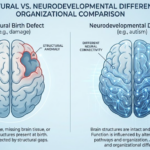
Pervasive Developmental Disorder-Not Otherwise Specified was a diagnostic category used to describe individuals who exhibited some characteristics of autism spectrum disorders but didn’t meet the full criteria for classic autism or Asperger’s syndrome. This condition represented a middle ground on the autism spectrum.

The term “not otherwise specified” indicated that while significant developmental challenges were present, they didn’t fit neatly into other established categories. This made PDD-NOS somewhat of a “catch-all” diagnosis for children and adults who clearly needed support but didn’t match typical autism profiles.
Historical Context and Diagnostic Evolution
PDD-NOS was officially recognized in the Diagnostic and Statistical Manual of Mental Disorders (DSM-IV) as one of five pervasive developmental disorders. The other conditions included autistic disorder, Asperger’s disorder, childhood disintegrative disorder, and Rett’s disorder.
Healthcare professionals used this diagnosis when patients showed significant impairments in social interaction, communication, or displayed restricted and repetitive behaviors, but the symptoms were either too mild or didn’t appear early enough to warrant a classic autism diagnosis.
In 2013, the DSM-5 eliminated PDD-NOS as a separate category. Instead, individuals previously diagnosed with PDD-NOS are now typically classified under the broader umbrella of Autism Spectrum Disorder (ASD) with appropriate severity specifiers.
Core Characteristics of PDD-NOS
Individuals with PDD-NOS typically demonstrated challenges in three main areas, though these symptoms varied significantly in severity and presentation:
Social Interaction Difficulties: Problems with nonverbal communication, developing peer relationships, sharing enjoyment or interests with others, and social or emotional reciprocity.
Communication Impairments: Delays in spoken language development, difficulty initiating or sustaining conversations, repetitive use of language, or lack of varied imaginative play.
Restricted and Repetitive Behaviors: Intense preoccupation with specific interests, inflexible adherence to routines, repetitive motor movements, or persistent focus on parts of objects.
The key difference was that individuals with PDD-NOS showed these symptoms to a lesser degree or had a later onset compared to those diagnosed with classic autism.
Understanding PDD-NOS Symptoms and Presentations
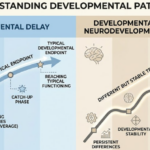
Recognizing the symptoms of PDD-NOS requires understanding that presentations varied widely among individuals. Unlike more clearly defined conditions, PDD-NOS encompassed a range of developmental patterns that shared common themes but differed in severity and combination.
Social and Communication Challenges
Children and adults with PDD-NOS often struggled with the subtle aspects of social interaction. They might have had difficulty reading facial expressions, understanding social cues, or knowing how to appropriately join conversations or play activities.
Communication challenges frequently included literal interpretation of language, difficulty with abstract concepts, and problems understanding humor or sarcasm. Some individuals developed speech typically but struggled with the pragmatic use of language in social situations.

Many people with PDD-NOS could form relationships but found it challenging to maintain them due to difficulties understanding unwritten social rules. They often preferred predictable social interactions and felt most comfortable in structured environments.
Behavioral Patterns and Sensory Processing
Repetitive behaviors in PDD-NOS were typically less intense than those seen in classic autism. These might include subtle hand movements, specific routines around daily activities, or strong preferences for certain topics of conversation.
Sensory processing differences were common, with individuals showing over-sensitivity or under-sensitivity to sounds, textures, lights, or other environmental stimuli. These sensitivities could significantly impact daily functioning and comfort levels.
Unlike classic autism, individuals with PDD-NOS often showed greater flexibility in their routines and interests, though they still benefited from structure and predictability in their environments.
Explore our comprehensive ABA therapy in Dale City, VA programs that address behavioral and social communication needs.
PDD-NOS vs Other Autism Spectrum Conditions
Understanding how PDD-NOS differed from other autism spectrum conditions helps clarify its unique position in developmental disorders. Each condition had distinct characteristics, though they shared common underlying features.
| Condition | Social Interaction | Communication | Repetitive Behaviors | Cognitive Abilities |
| Classic Autism | Severe impairments from early age | Significant delays or absence of speech | Intense, obvious repetitive behaviors | Often includes intellectual disability |
| PDD-NOS | Mild to moderate difficulties | Some delays or pragmatic language issues | Subtle or less intense patterns | Usually average or above-average intelligence |
| Asperger’s Syndrome | Social awkwardness but desire for interaction | Normal language development | Intense interests but less obvious behaviors | Average or above-average intelligence |
| Childhood Disintegrative Disorder | Severe regression after normal development | Loss of previously acquired language | Emergence of repetitive behaviors | Significant cognitive decline |
Key Differences from Classic Autism
The primary distinction between PDD-NOS and classic autism lay in the severity and timing of symptom onset. While classic autism typically presented with clear, significant impairments before age three, PDD-NOS symptoms were often subtler and sometimes appeared later in development.
Children with classic autism frequently showed more obvious delays in language development, with some remaining nonverbal. In contrast, those with PDD-NOS usually developed speech, though they might have struggled with social communication aspects.
The repetitive behaviors and restricted interests in PDD-NOS were generally less intense and disruptive than those seen in classic autism, making the condition sometimes harder to identify without careful assessment.
Comparison with Asperger’s Syndrome
PDD-NOS and Asperger’s syndrome shared many similarities, particularly in intellectual functioning and language development. However, Asperger’s syndrome had more specific diagnostic criteria, including no significant delay in language development and no clinically significant delay in cognitive development.
Individuals with Asperger’s often showed intense, narrow interests and had strong desires for social interaction, even if their attempts were awkward. Those with PDD-NOS might have shown less intense special interests and varying levels of social motivation.
The distinction between these conditions was often subtle, leading to diagnostic challenges and contributing to the eventual consolidation under the broader autism spectrum disorder category.
Diagnosis and Assessment of PDD-NOS
Diagnosing PDD-NOS required comprehensive evaluation by qualified professionals, as the condition’s subtle presentation made it challenging to identify. The diagnostic process involved multiple assessment tools and observations across different settings.
Diagnostic Criteria and Process
Under the DSM-IV criteria, PDD-NOS diagnosis required evidence of impairment in social interaction along with either communication difficulties or restricted, repetitive behaviors. However, the symptoms didn’t meet the full criteria for autistic disorder or other specific pervasive developmental disorders.
The assessment process typically included developmental history interviews, standardized autism screening tools, cognitive assessments, and direct behavioral observations. Professionals looked for patterns of behavior that indicated autism spectrum characteristics while noting which specific criteria were or weren’t met.
Early identification was often challenging because symptoms might not become apparent until social demands increased, such as during school entry or adolescence when peer relationships became more complex.
Professional Evaluation Components
Comprehensive assessment for PDD-NOS typically involved multiple professionals, including developmental pediatricians, child psychologists, speech-language pathologists, and occupational therapists. Each specialist contributed expertise in different areas of development.
The evaluation process examined communication skills, social interaction patterns, cognitive abilities, adaptive behavior skills, and sensory processing differences. Standardized tools like the Autism Diagnostic Observation Schedule (ADOS) and Autism Diagnostic Interview-Revised (ADI-R) were commonly used.
Family history and developmental milestones played crucial roles in the diagnostic process, helping professionals understand the timeline and progression of symptoms. Input from teachers and other caregivers provided valuable insights into functioning across different environments.
Learn more about genetic factors in our article on who carries the autism gene, mother or father to understand hereditary aspects.
Treatment and Support Strategies for PDD-NOS
Effective intervention for PDD-NOS focused on addressing individual strengths and challenges through evidence-based approaches. Treatment plans were typically individualized, recognizing that no two people with PDD-NOS presented identically.

Applied Behavior Analysis (ABA) Therapy
ABA therapy emerged as one of the most effective interventions for individuals with PDD-NOS. This evidence-based approach used systematic teaching methods to improve communication, social skills, and adaptive behaviors while reducing challenging behaviors.
The flexibility of ABA allowed therapists to target specific areas of need while building on existing strengths. For individuals with PDD-NOS, this often meant focusing on social communication skills, emotional regulation, and executive functioning abilities.
ABA programs for PDD-NOS typically emphasized naturalistic teaching strategies, helping individuals generalize skills across different environments and situations. The goal was to promote independence and improve quality of life through skill development.
Comprehensive Treatment Approaches
Successful intervention for PDD-NOS often required a multidisciplinary approach involving various professionals and therapeutic modalities. Speech-language therapy addressed communication challenges, while occupational therapy helped with sensory processing and daily living skills.
Social skills training played a crucial role in helping individuals navigate peer relationships and workplace interactions. These programs taught specific strategies for reading social cues, initiating conversations, and maintaining appropriate boundaries.
Educational support services, including individualized education programs (IEPs) or 504 plans, ensured that learning environments accommodated specific needs while promoting academic success.
| Intervention Type | Primary Focus | Target Skills | Typical Duration |
| ABA Therapy | Behavior modification and skill building | Communication, social skills, adaptive behavior | Ongoing, intensity varies |
| Speech Therapy | Communication enhancement | Language development, social communication | 6 months to several years |
| Occupational Therapy | Daily living and sensory skills | Fine motor, sensory processing, independence | 6 months to 2 years |
| Social Skills Training | Peer interaction and relationship building | Conversation skills, friendship development | 6 months to 1 year |
Discover specialized support through our ABA therapy in Centreville, VA programs tailored for autism spectrum conditions.
Living with PDD-NOS: Long-term Outcomes and Support
Understanding the long-term prognosis for individuals with PDD-NOS helps families and professionals set realistic expectations while working toward optimal outcomes. With appropriate support, many people with PDD-NOS can lead fulfilling, independent lives.
Factors Influencing Outcomes
Several factors significantly influenced long-term outcomes for individuals with PDD-NOS. Early identification and intervention provided the best foundation for skill development and adaptation. Children who received comprehensive support during their formative years typically showed better outcomes in adulthood.
Cognitive abilities played a crucial role in determining independence levels and career possibilities. Most individuals with PDD-NOS had average or above-average intelligence, which often translated to better academic and vocational outcomes compared to those with classic autism.
Family support and community resources also significantly impacted long-term success. Families who understood the condition and advocated effectively for their children often saw better outcomes across multiple life domains.
Adult Life Considerations
Many adults who were diagnosed with PDD-NOS as children successfully navigated higher education, careers, and relationships. However, they often continued to benefit from understanding and accommodations in work and social environments.
Employment success frequently depended on finding roles that matched individual strengths and interests while providing appropriate support for areas of challenge. Many individuals excelled in detail-oriented fields or positions requiring systematic thinking.
Relationships and social connections remained areas where ongoing support was beneficial. Some adults with PDD-NOS married and had families, while others preferred different lifestyle arrangements that better suited their needs and preferences.
For insights into related conditions, read our article about what is level 1 autism to understand current diagnostic categories.
Current Understanding and Modern Approaches
Since the elimination of PDD-NOS as a diagnostic category, the field has evolved toward a more nuanced understanding of autism spectrum conditions. This shift has improved how professionals approach assessment and intervention for individuals with autism-related challenges.
The Move to Autism Spectrum Disorder
The DSM-5’s consolidation of autism-related conditions under the single umbrella of Autism Spectrum Disorder reflected growing understanding that these conditions existed on a continuum rather than as distinct disorders. This change acknowledged that individuals could show varying combinations and severities of autism characteristics.
The new diagnostic framework uses severity specifiers to indicate the level of support needed in social communication and restricted, repetitive behaviors. Most individuals previously diagnosed with PDD-NOS would now receive an ASD diagnosis with a “requiring support” specification.
This diagnostic evolution has led to more personalized treatment approaches that focus on individual needs rather than diagnostic categories. The emphasis has shifted toward understanding each person’s unique profile of strengths and challenges.
Evidence-Based Interventions
Current best practices emphasize evidence-based interventions that have demonstrated effectiveness through rigorous research. ABA therapy continues to be a cornerstone of treatment, but approaches have become more naturalistic and family-centered.
Modern intervention strategies focus on building core skills that promote independence and quality of life. These include communication abilities, social interaction skills, emotional regulation, and executive functioning capabilities.
The integration of technology and innovative teaching methods has expanded intervention possibilities, allowing for more engaging and effective skill-building opportunities.
Explore our ABA therapy in Reston, VA services that incorporate current best practices in autism spectrum support.
Family Support and Resources
Families play a crucial role in supporting individuals with PDD-NOS or autism spectrum conditions. Understanding available resources and developing effective support strategies can significantly impact outcomes for the entire family unit.
Building Support Networks
Creating strong support networks involves connecting with other families facing similar challenges, accessing professional resources, and building relationships within the community. These connections provide emotional support, practical advice, and opportunities for social interaction.
Support groups, both in-person and online, offer valuable opportunities to share experiences and learn from others. Many families find comfort in connecting with others who understand the unique joys and challenges of raising a child with autism spectrum characteristics.
Professional support teams should include not only therapeutic providers but also educational advocates, medical professionals familiar with autism spectrum conditions, and respite care providers to support family well-being.
Educational Advocacy
Effective educational advocacy ensures that children receive appropriate services and accommodations in school settings. This involves understanding legal rights, developing collaborative relationships with school professionals, and monitoring progress toward educational goals.

Individualized Education Programs (IEPs) or 504 plans should reflect the specific needs and strengths of each child. Regular team meetings help ensure that services remain appropriate as children grow and develop new skills.
Transition planning becomes increasingly important as children approach adulthood, requiring coordination between schools, vocational services, and community support agencies.
Learn about treatment considerations in our article on is ABA therapy harmful to make informed decisions about intervention approaches.
Key Takeaways on Pervasive Developmental Disorder-Not Otherwise Specified
Understanding PDD-NOS provides valuable insight into the complexity and diversity of autism spectrum conditions. While no longer used as a formal diagnosis, the concept helps explain how autism characteristics can present in subtle and varied ways that still significantly impact daily functioning.
The evolution from PDD-NOS to the current autism spectrum disorder framework reflects advancing understanding of these conditions as existing on a continuum rather than as separate disorders. This shift has led to more personalized and effective intervention approaches that focus on individual needs and strengths.
Early identification and comprehensive intervention remain crucial for optimal outcomes. Evidence-based approaches like ABA therapy, combined with family support and educational accommodations, can help individuals develop essential skills and achieve their full potential.
The most important message for families is that with appropriate understanding, support, and intervention, individuals with autism spectrum characteristics can lead fulfilling lives and make meaningful contributions to their communities. The key lies in recognizing each person’s unique profile and providing tailored support that promotes growth and independence.
Interested in understanding hereditary factors? Read our comprehensive guide on does autism run in families for valuable genetic insights.
Frequently Asked Questions About PDD-NOS
Understanding PDD-NOS often raises many questions for families and professionals. These commonly asked questions address key concerns about the condition, its implications, and long-term outlook.
How is PDD different from autism?
PDD (Pervasive Developmental Disorder) was an umbrella category that included several conditions, including classic autism, Asperger’s syndrome, and PDD-NOS. Classic autism typically involved more severe symptoms with earlier onset and more obvious impairments in communication and social interaction. PDD-NOS represented a milder form with some, but not all, autism characteristics. Today, both conditions are included under the broader Autism Spectrum Disorder diagnosis with appropriate severity specifiers.
What is PDD-NOS not otherwise specified?
PDD-NOS (Not Otherwise Specified) was a diagnostic category used when an individual showed significant autism-like symptoms but didn’t meet the full criteria for classic autism or Asperger’s syndrome. The “not otherwise specified” designation indicated that while clear developmental challenges existed, they didn’t fit neatly into other established categories. It served as a way to recognize and provide support for individuals who needed help but had atypical presentations of autism spectrum characteristics.
Can someone with PDD-NOS live a normal life?
Yes, many individuals previously diagnosed with PDD-NOS can and do live fulfilling, independent lives. With appropriate support, intervention, and understanding, they often succeed in education, careers, and relationships. The key factors include early identification, evidence-based treatment, family support, and finding environments that accommodate their unique needs while building on their strengths. Many adults with this background have successful careers, marriages, and contribute meaningfully to their communities.
Is PDD-NOS more severe than Asperger’s?
PDD-NOS and Asperger’s syndrome were considered similar in severity, though they had different diagnostic criteria. Asperger’s required no significant language delay and average or above-average intelligence, while PDD-NOS was more flexible in its criteria. The severity depended more on individual presentation than diagnostic category. Both conditions involved challenges with social interaction and communication, but individuals typically had better outcomes than those with classic autism due to preserved language and cognitive abilities.
How serious is PDD?
The seriousness of PDD varied significantly depending on the specific condition and individual presentation. PDD-NOS was generally considered less severe than classic autism but still represented meaningful challenges that required support and intervention. The impact on daily functioning, relationships, and independence determined the practical seriousness for each person. With appropriate intervention and support, many individuals with PDD-NOS showed significant improvement and achieved good quality of life outcomes.
What age does PDD start?
PDD symptoms typically appeared in early childhood, though the timing varied by individual and specific condition. Classic autism symptoms were usually noticeable by age 2-3, while PDD-NOS symptoms might not become apparent until later when social demands increased, such as during school entry or adolescence. Some signs might be present earlier but weren’t recognized until developmental expectations grew more complex. Early identification, even if symptoms weren’t immediately obvious, led to better intervention outcomes.
What can trigger PDD?
PDD conditions like PDD-NOS are developmental disorders with genetic and neurobiological origins rather than being “triggered” by external events. However, certain factors might make symptoms more noticeable or challenging, including major life changes, increased social demands, sensory overload, illness, or stress. Environmental factors don’t cause PDD but can influence how symptoms present or how well an individual copes. The underlying neurological differences that characterize autism spectrum conditions are present from birth, though their manifestation can vary with circumstances and development.
RELATED ARTICLES:
Kanner’s Autism: Understanding Classic Autism and Early Intervention Approaches
Asperger’s Syndrome: A Comprehensive Guide for Families and Caregivers
Pervasive Developmental Disorder-Not Otherwise Specified (PDD-NOS)
Childhood Disintegrative Disorder (CDD)
Rett Syndrome: Understanding This Rare Neurological Disorder and Its Impact on Development
High-Functioning Autism: Understanding Signs, Characteristics, and Support Strategies
Fragile X Syndrome: Understanding Causes, Symptoms, and Treatment Options