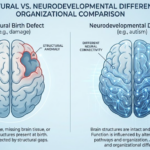
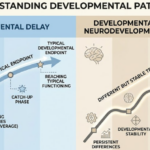
Asperger’s Syndrome represents a unique neurodevelopmental condition that affects how individuals interact socially and communicate with others. While the term “Asperger’s” is no longer used as a separate diagnosis in current medical classifications, understanding its characteristics remains crucial for families, educators, and healthcare providers.
Today, what was once called Asperger’s Syndrome falls under the broader category of Autism Spectrum Disorder (ASD). This shift reflects our growing understanding that autism exists on a spectrum, with varying levels of support needs and abilities.
In this comprehensive guide, we’ll explore the key features of what was historically known as Asperger’s Syndrome, how it’s diagnosed today, and most importantly, how evidence-based interventions can help individuals reach their full potential.
Ready to explore personalized support options? Check out our ABA therapy services in Alexandria, VA for comprehensive autism support.
What Is Asperger’s Syndrome
Asperger’s Syndrome was first described by Austrian pediatrician Hans Asperger in the 1940s. He observed children who had difficulties with social interaction and nonverbal communication, yet possessed average or above-average intelligence and language development.

Historical Context and Current Classification
In 2013, the American Psychiatric Association updated the Diagnostic and Statistical Manual of Mental Disorders (DSM-5), removing Asperger’s as a separate diagnosis. Instead, these individuals are now diagnosed with Autism Spectrum Disorder with varying support levels.
This change reflects a better understanding that autism characteristics exist on a continuous spectrum rather than as distinct categories. People who would have previously received an Asperger’s diagnosis typically fall under “Level 1 Autism Spectrum Disorder,” indicating they require support but can function relatively independently.
The reclassification doesn’t diminish the unique experiences and needs of individuals who identify with the Asperger’s profile. Many people continue to use this term to describe their experiences, as it captures specific characteristics that resonate with their daily challenges and strengths.
Core Characteristics and Features
Individuals with what was formerly called Asperger’s Syndrome typically display several key characteristics that distinguish their experience from other forms of autism.
Social communication challenges represent one of the most prominent features. While these individuals often have well-developed vocabulary and grammar skills, they may struggle with the social use of language. This includes understanding sarcasm, reading between the lines, or knowing when to take turns in conversation.
Nonverbal communication presents another area of difficulty. Maintaining eye contact, interpreting facial expressions, and understanding body language can be challenging. These skills are crucial for social interaction but often require explicit teaching and practice.
Restricted interests and repetitive behaviors also characterize this condition. Many individuals develop intense, focused interests in specific topics, which can actually become areas of expertise and strength when properly channeled.
Recognizing Signs and Symptoms
Understanding the signs of Asperger’s Syndrome helps families and professionals provide appropriate support early in development. These characteristics often become more apparent in social settings and during interactions with peers.
Social and Communication Indicators
Social interaction challenges often manifest in various ways throughout development. Young children might prefer solitary play or struggle to understand social rules that seem intuitive to others.
Communication differences extend beyond just spoken language. Many individuals have difficulty with pragmatic language skills, which involve using language appropriately in social contexts. They might speak in a formal manner, have trouble initiating conversations, or dominate discussions about their special interests.

Nonverbal communication presents ongoing challenges. Reading facial expressions, understanding personal space, and interpreting tone of voice require explicit instruction and consistent practice for many individuals.
Behavioral Patterns and Interests
Repetitive behaviors and restricted interests form another cornerstone of the Asperger’s profile. These might include specific routines, intense focus on particular subjects, or repetitive movements when excited or anxious.
Special interests often become all-consuming passions. While this intense focus can sometimes interfere with other activities, it can also lead to remarkable expertise and potential career paths when properly supported and channeled.
Sensory sensitivities frequently accompany these behavioral patterns. Individuals might be over- or under-responsive to sounds, textures, lights, or other sensory input, affecting their comfort and behavior in various environments.
| Age Group | Common Signs | Impact Areas |
| Early Childhood (3-6 years) | Delayed social play, literal language interpretation | Peer relationships, family interactions |
| School Age (6-12 years) | Difficulty with group projects, following social cues | Academic performance, friendship development |
| Adolescence (13-18 years) | Challenges with peer relationships, anxiety in social situations | Self-esteem, social acceptance |
| Adulthood (18+ years) | Workplace social dynamics, relationship maintenance | Career advancement, independent living |
Learn more about adult diagnosis in our article about how to get diagnosed with autism as an adult.
Diagnosis and Assessment Process
The diagnostic process for what was formerly called Asperger’s Syndrome now follows the criteria for Autism Spectrum Disorder. This comprehensive evaluation requires input from multiple sources and professionals.
Current Diagnostic Criteria
Under the DSM-5, individuals receive a diagnosis of Autism Spectrum Disorder based on persistent deficits in social communication and interaction, along with restricted, repetitive patterns of behavior, interests, or activities.
The assessment process typically involves developmental history, behavioral observations, and standardized testing tools. Professionals look for evidence that symptoms were present in early development, even if they weren’t fully recognized at the time.
Clinicians also specify the level of support needed, with Level 1 corresponding to what was previously called Asperger’s Syndrome. This level indicates that while support is needed, individuals can often function independently with appropriate accommodations.
Professional Assessment Teams
A comprehensive evaluation typically involves multiple professionals working together. Psychologists, developmental pediatricians, and speech-language pathologists each contribute specialized expertise to the assessment process.
The evaluation process often includes cognitive testing, language assessment, and behavioral observations across different settings. This multi-faceted approach ensures a thorough understanding of the individual’s strengths and challenges.
Family input plays a crucial role in the diagnostic process. Parents and caregivers provide valuable information about developmental history, current behaviors, and daily functioning that helps professionals form an accurate picture.
Support Strategies and Interventions
Effective support for individuals with Asperger’s characteristics involves a combination of evidence-based interventions, environmental modifications, and skill-building activities tailored to individual needs.
Applied Behavior Analysis (ABA) Therapy
ABA therapy has proven particularly effective for individuals across the autism spectrum, including those with Asperger’s characteristics. This evidence-based approach focuses on teaching specific skills while reducing challenging behaviors through systematic intervention.
For individuals with higher support needs, ABA can target social communication skills, executive functioning, and adaptive behaviors that promote independence. The therapy is highly individualized, allowing practitioners to address specific goals relevant to each person’s unique profile.
ABA techniques can be particularly beneficial for teaching social skills, such as conversation skills, perspective-taking, and understanding social cues. These skills are often challenging for individuals with Asperger’s characteristics but can be effectively taught through structured practice and reinforcement.
Explore our comprehensive ABA therapy services in Dale City, VA designed to support individuals with autism spectrum disorders.
Educational and Workplace Accommodations
School and workplace environments often require specific accommodations to help individuals with Asperger’s characteristics succeed. These modifications address sensory sensitivities, social challenges, and executive functioning differences.
Common educational accommodations include providing clear expectations, using visual supports, and offering alternative ways to demonstrate knowledge. Small group settings or one-on-one instruction can also be beneficial for practicing social skills.
In workplace settings, accommodations might include written instructions, regular check-ins with supervisors, and modifications to the physical environment to reduce sensory overload. These supports help individuals leverage their strengths while managing challenges.
| Support Area | Strategies | Expected Outcomes |
| Social Communication | Role-playing, video modeling, peer buddy systems | Improved conversation skills, better peer relationships |
| Executive Functioning | Visual schedules, breaking tasks into steps, time management tools | Enhanced organization, improved task completion |
| Sensory Regulation | Environmental modifications, sensory breaks, coping strategies | Reduced anxiety, improved focus and attention |
| Academic Support | Individualized instruction, assistive technology, alternative assessment methods | Better academic performance, increased engagement |
Living with Asperger’s Characteristics
Understanding how to support daily living skills and promote independence remains crucial for individuals with Asperger’s characteristics and their families.
Building Life Skills and Independence
Daily living skills often require explicit instruction for individuals with Asperger’s characteristics. These might include time management, organization strategies, and self-advocacy skills that promote independence.
Social skills training plays a vital role in helping individuals navigate relationships, workplace dynamics, and community participation. This training often involves breaking down complex social situations into manageable components that can be practiced and reinforced.

Self-understanding and self-advocacy become increasingly important as individuals transition to adulthood. Learning to recognize their own needs, communicate effectively about accommodations, and seek appropriate support promotes long-term success and well-being.
Family Support and Resources
Families play a crucial role in supporting individuals with Asperger’s characteristics throughout their development. Understanding the condition, accessing appropriate services, and advocating for needed supports are essential family functions.
Support groups and educational resources help families connect with others who share similar experiences. These connections provide emotional support, practical strategies, and valuable information about available services and interventions.
Find specialized support through our ABA therapy services in Centreville, VA tailored to meet individual and family needs.
Long-term Outcomes and Prognosis
With appropriate support and intervention, individuals with Asperger’s characteristics can achieve significant success in various life domains, including education, employment, and relationships.
Factors Influencing Success
Early identification and intervention significantly impact long-term outcomes. When individuals receive appropriate support during critical developmental periods, they often develop better coping strategies and social skills.
Individual strengths and interests can become powerful assets when properly channeled. Many individuals with Asperger’s characteristics excel in fields that match their intense interests and attention to detail, such as technology, science, or creative arts.
Family support and access to quality services also influence outcomes. Families who understand the condition and advocate effectively for their loved ones often see better results across multiple life domains.
Transition Planning and Adult Services
Transition planning becomes particularly important as individuals with Asperger’s characteristics move from school-based services to adult support systems. This process requires careful coordination between families, schools, and adult service providers.
Vocational training and employment support help individuals develop job skills and find meaningful work that matches their abilities and interests. Many individuals with Asperger’s characteristics make valuable contributions to their workplaces when provided with appropriate support and accommodations.
Learn about explaining autism characteristics to others in our guide on how to explain autism to kids.
Recent Research and Developments
Current research continues to expand our understanding of autism spectrum disorders, including the characteristics formerly associated with Asperger’s Syndrome.
Advances in Understanding
Recent studies have provided new insights into the neurological differences associated with autism spectrum disorders. This research helps explain why certain interventions are effective and guides the development of new support strategies.
Gender differences in autism presentation have received increased attention, particularly regarding how autism characteristics might manifest differently in girls and women. This research has important implications for diagnosis and support.

Emerging Interventions
Technology-based interventions are showing promise for teaching social skills and providing support for individuals with autism characteristics. Virtual reality, apps, and other digital tools offer new ways to practice skills in controlled environments.
Workplace autism programs are expanding as employers recognize the unique strengths that individuals with autism characteristics can bring to various industries. These programs provide both training and ongoing support to promote successful employment outcomes.
Discover comprehensive support options through our ABA therapy services in Reston, VA incorporating the latest evidence-based practices.
Final Thoughts on Understanding Asperger’s Syndrome
Understanding Asperger’s Syndrome—now recognized as part of the autism spectrum—requires appreciating both the challenges and remarkable strengths that individuals bring to our communities. While social communication and interaction differences may present obstacles, many individuals develop successful careers, meaningful relationships, and fulfilling lives with appropriate support.
The journey toward understanding and supporting individuals with these characteristics continues to evolve as research advances and awareness grows. Families, educators, and communities all play vital roles in creating environments where individuals with autism spectrum characteristics can thrive.
Most importantly, recognizing that each person is unique, with their own combination of strengths, challenges, and potential, guides us toward more personalized and effective support approaches. Whether through specialized therapies, educational accommodations, or community acceptance, we can work together to ensure that all individuals have opportunities to reach their full potential.
For families beginning this journey or seeking additional support, remember that help is available, outcomes continue to improve, and there is every reason for hope and optimism about the future.
Curious about whether autism can develop later in life? Read our comprehensive article on can you get autism later in life for detailed insights.
Frequently Asked Questions About Asperger’s Syndrome
Can Asperger’s live a normal life?
Yes, individuals with Asperger’s characteristics can and do live fulfilling, independent lives. With appropriate support, many pursue higher education, maintain successful careers, develop meaningful relationships, and participate fully in their communities. The key is accessing early intervention, developing coping strategies, and finding environments that appreciate their unique strengths and accommodate their needs.
How does someone with Asperger’s see the world?
People with Asperger’s often experience the world with heightened attention to detail and different sensory processing. They may notice patterns others miss, have intense interests that provide deep expertise, and prefer predictable routines. Social situations might feel overwhelming due to difficulty reading nonverbal cues, while their direct communication style reflects genuine honesty rather than social pretense.
Is it obvious when someone has Asperger’s?
Not always. Many individuals with Asperger’s characteristics develop sophisticated masking strategies that help them appear neurotypical in social situations. This is particularly common among women and girls. Signs might be subtle, such as difficulty with small talk, preference for routine, or intense interests in specific topics. Some people aren’t diagnosed until adulthood when they recognize these patterns in themselves.
How do people with Asperger’s show love?
Individuals with Asperger’s express affection in unique and meaningful ways, though these might differ from typical expectations. They often show love through sharing their special interests, remembering important details about loved ones, providing practical support, or expressing feelings directly rather than through subtle hints. Understanding their communication style helps recognize these genuine expressions of care.
What are the 12 signs of Asperger’s?
Common signs include difficulty with social interactions, challenges reading nonverbal cues, intense special interests, preference for routine, literal interpretation of language, sensory sensitivities, difficulty with transitions, strong attention to detail, challenges with executive functioning, direct communication style, difficulty understanding social hierarchies, and exceptional memory for specific topics. However, each individual presents differently, and not everyone will display all characteristics.
Do people with Asperger’s have high IQ?
Many individuals with Asperger’s have average or above-average intelligence, and some demonstrate exceptional abilities in specific areas. However, IQ varies widely within this population, just as it does in the general population. Their cognitive profile often shows strengths in areas like pattern recognition, attention to detail, and systematic thinking, while facing challenges in areas requiring social cognition or executive functioning.
RELATED ARTICLES:
Kanner’s Autism: Understanding Classic Autism and Early Intervention Approaches
Asperger’s Syndrome: A Comprehensive Guide for Families and Caregivers
Pervasive Developmental Disorder-Not Otherwise Specified (PDD-NOS)
Childhood Disintegrative Disorder (CDD)
Rett Syndrome: Understanding This Rare Neurological Disorder and Its Impact on Development
High-Functioning Autism: Understanding Signs, Characteristics, and Support Strategies
Fragile X Syndrome: Understanding Causes, Symptoms, and Treatment Options