The first person diagnosed with autism was Donald Gray Triplett, a young boy from Forest, Mississippi, who became known as “Case 1” in Dr. Leo Kanner’s groundbreaking 1943 paper. His diagnosis marked the beginning of autism recognition as a distinct condition, opening the door for millions of families to understand and support their loved ones.
Donald’s story isn’t just about being first. It’s about a life that proved individuals on the spectrum can thrive, contribute, and live fulfilling lives when given acceptance and opportunity. His journey from a puzzling childhood case to a successful 89-year life offers hope and insight for every family navigating autism today.
Who Was Donald Triplett?
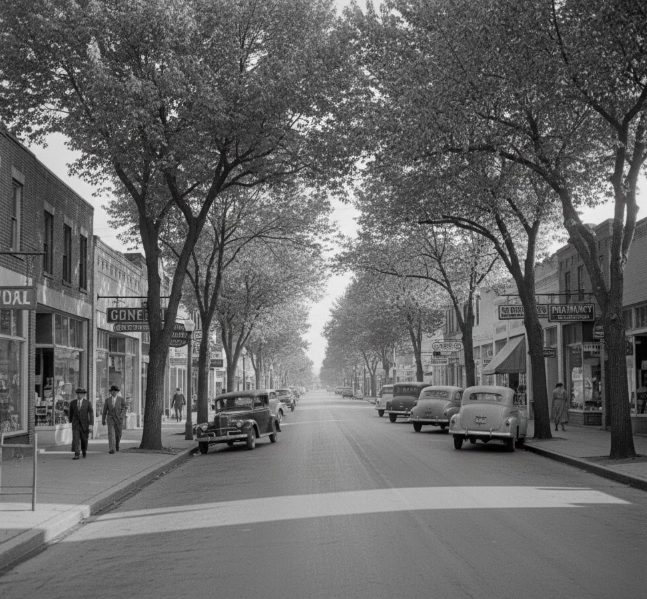
Donald Gray Triplett was born on September 8, 1933, in the small town of Forest, Mississippi. From an early age, his parents noticed behaviors that seemed different from other children. He didn’t respond to their voices or gestures the way they expected. He showed little interest in playing with other children and seemed to live in his own world.
His father, Beamon Triplett, was a detail-oriented lawyer who carefully documented Donald’s unusual behaviors. He noticed his son had a remarkable memory for numbers, could hum tunes accurately by age one, and showed intense interest in patterns and routines. These observations would become essential pieces in identifying what we now understand as autism.
At age three, Donald’s parents made the difficult decision to place him in an institution, which was common advice at the time for children with developmental differences. However, after just one year, they made the brave choice to bring him home. This decision, going against medical recommendations of the era, would prove life-changing.
The Meeting That Changed Medical History
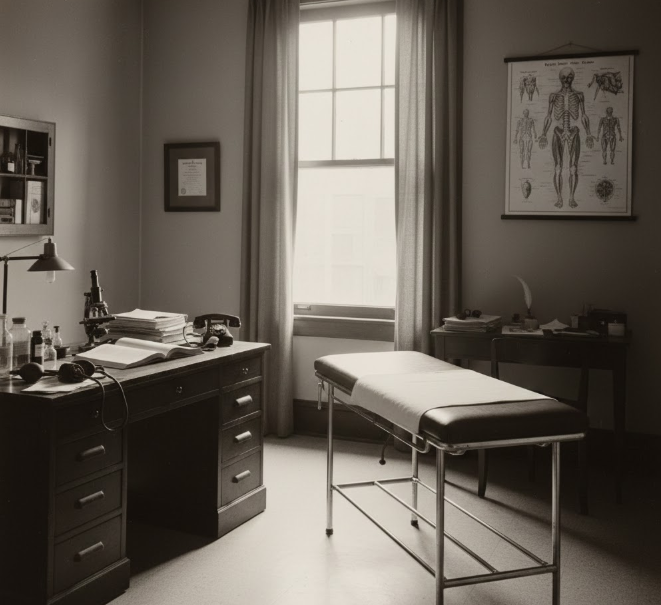
In October 1938, Donald’s parents brought their five-year-old son to meet Dr. Leo Kanner at Johns Hopkins Hospital in Baltimore, Maryland. Beamon Triplett arrived prepared with 33 pages of detailed notes about his son’s behaviors, mannerisms, and development.
Dr. Kanner was initially baffled by what he observed. Donald showed patterns that resembled schizophrenia, yet something felt distinctly different. During their visits, Donald wouldn’t look at the physicians, even when they tried to engage him. Instead, he headed straight for papers and books at the desk, organizing and arranging them according to his own system.
When asked mathematical questions, Donald would respond with seemingly random statements like “I’ll draw a hexagon.” Yet he could perform rapid mental calculations and name musical notes played on a piano with perfect accuracy. These contradictions fascinated Kanner.
Over the next five years, Kanner continued observing Donald and encountered ten other children with similar patterns. In 1943, he published his landmark paper “Autistic Disturbances of Affective Contact,” which formally identified autism as a distinct condition. Donald Triplett became “Case 1” in medical literature.
What Made This Diagnosis So Revolutionary?
Before Kanner’s work, children like Donald were often misdiagnosed with childhood schizophrenia or labeled as having intellectual disabilities. Their unique way of experiencing the world wasn’t understood as a separate neurological variation.
Kanner’s paper identified several key characteristics that set autism apart:
| Characteristic | How It Appeared in Donald |
| Social Withdrawal | Preferred solitary activities, didn’t seek interaction with peers |
| Insistence on Sameness | Became distressed when routines changed, needed predictability |
| Unique Language Patterns | Spoke, but communication served different purposes than typical conversation |
| Special Abilities | Exceptional memory, mathematical skills, musical perfect pitch |
| Restricted Interests | Intense focus on specific topics like numbers, letters, presidential pictures |
The term “autism” itself wasn’t new. Swiss psychiatrist Eugen Bleuler had used it in 1911 to describe withdrawal symptoms in schizophrenia patients. However, Kanner recognized that what he was seeing in children like Donald was fundamentally different from adult psychiatric conditions.
If you’re noticing similar patterns in your child and seeking guidance, ABA therapy in Alexandria, VA provides evidence-based support designed to help children develop communication and social skills while honoring their unique strengths.
Donald’s Life After Diagnosis
What happened to the first person diagnosed with autism after his historic diagnosis? Donald’s life took a remarkably positive turn, largely due to his family’s support and his community’s acceptance.
In 1944, at Dr. Kanner’s suggestion, Donald went to live with a farming family about ten miles from his childhood home. On the farm, his natural inclinations toward counting, measuring, and organizing found practical application in daily chores like plowing fields and tending animals.
Donald attended the local high school, where teachers and classmates accepted his differences rather than rejecting them. This acceptance made all the difference. In 1958, he graduated from Millsaps College with a bachelor’s degree in mathematics and French, an impressive achievement that defied the limited expectations many had for individuals with autism at the time.
He returned to Forest and worked at the Bank of Forest for 65 years. His consistent presence became a beloved fixture in the small town. Coworkers remembered him fondly for taking photos of new employees, sharing travel pictures from his trips to 40 countries and 28 states, giving everyone a nickname or number, and occasionally shooting rubber bands across the office.
Donald played golf nearly every day and performed impressively on the piano. He learned to drive in his late twenties, gaining independence that many thought impossible for someone with his diagnosis. He traveled extensively, exploring the world with curiosity and confidence.

Things To Know About Autism’s Early History
Understanding the context around the first person diagnosed with autism helps us appreciate how far awareness and support have come:
The “refrigerator mother” theory was one of the most harmful misconceptions to emerge from early autism research. Kanner initially speculated that cold, emotionally distant parenting contributed to autism development. This damaging theory caused immense guilt and pain for families before being completely debunked by scientific research showing autism’s neurological and genetic roots.
Early intervention wasn’t available in Donald’s time. He succeeded despite the lack of specialized therapies we have today. Modern families have access to applied behavior analysis, speech therapy, occupational therapy, and educational support that make tremendous differences in outcomes.
Community acceptance played a crucial role in Donald’s success. Forest, Mississippi embraced him rather than isolating him. This demonstrates that inclusive communities create opportunities for individuals with autism to flourish.
The diagnostic criteria have evolved dramatically. What Kanner described as “early infantile autism” has expanded into autism spectrum disorder (ASD), recognizing the wide variety of presentations. Today’s understanding acknowledges autism as a spectrum with diverse support needs.
Parents seeking comprehensive information about supporting their child can explore regressive autism, theory of mind in autism, and autism in infants to understand different aspects of the condition.
What Donald’s Story Teaches Modern Families
Donald Triplett’s 89-year life provides powerful lessons for families navigating autism today. His story shows that with the right support, individuals on the spectrum can lead independent, meaningful lives filled with work, hobbies, relationships, and accomplishments.
His special interests in numbers and music weren’t obstacles to overcome but strengths to channel. On the farm, his love of counting and measuring translated into productive work. At the bank, his attention to detail served him well for 65 years. This illustrates the importance of recognizing and nurturing the unique abilities that often accompany autism.
Family support made the difference. When Donald’s parents chose to bring him home from the institution and advocate for his inclusion in regular school, they changed the trajectory of his life. Their decision to seek answers rather than accept limiting labels created possibilities.
Community inclusion matters profoundly. Forest, Mississippi didn’t just tolerate Donald; they embraced him as one of their own. His coworkers enjoyed his quirks, his golf partners welcomed him, and his neighbors accepted him. This acceptance allowed him to participate fully in community life.
| Success Factor | How It Helped Donald | Application for Families Today |
| Supportive Family | Parents advocated and refused institutionalization | Seek resources, trust instincts, prioritize inclusion |
| Accepting Community | Town embraced his differences | Foster connections, educate others, build networks |
| Practical Application of Skills | Farm work utilized his counting abilities | Identify strengths, create opportunities to use them |
| Regular Education | Attended mainstream high school | Advocate for inclusive educational settings when appropriate |
| Long-term Employment | 65 years at family bank | Explore vocational training, supported employment |
Professional support services today provide structured interventions that weren’t available to Donald. ABA therapy in Centreville, VA offers evidence-based strategies to help children develop communication skills, manage challenging behaviors, and build independence.
The Evolution From Case 1 To Millions
When Donald Triplett became the first person diagnosed with autism in 1943, he was one of only eleven children Kanner had identified. Today, the Centers for Disease Control and Prevention estimates that about 1 in 36 children in the United States has autism spectrum disorder.
This dramatic increase doesn’t necessarily mean more people have autism than in the past. Several factors explain the rising numbers:
Improved awareness among medical professionals means doctors recognize autism more readily. In 2007, the American Academy of Pediatrics began recommending standardized autism screening at 18-month and 24-month well-child visits, leading to earlier identification.
Expanded diagnostic criteria now include individuals who would have previously received different diagnoses or gone unrecognized entirely. The shift from separate categories (autistic disorder, Asperger’s syndrome, PDD-NOS) to the unified autism spectrum disorder diagnosis in 2013 captured more people under the umbrella.
Better screening tools like the Modified Checklist for Autism in Toddlers (M-CHAT) published in 2001 enable more accurate identification of autism in young children.
Reduced stigma encourages more families to seek evaluation and diagnosis rather than hiding or denying developmental differences.

For families wondering about signs of autism, resources like can autism be detected before birth and is rubbing your feet together a sign of autism provide evidence-based information about early indicators and assessment.
From Donald’s Era To Evidence-Based Support
The field of autism intervention has transformed dramatically since Donald Triplett’s childhood. While he succeeded without specialized therapy, today’s families have access to proven approaches that improve outcomes.
Applied Behavior Analysis (ABA) therapy emerged from the work of Dr. O. Ivar Lovaas in the 1960s and has become the most extensively researched intervention for autism. ABA uses systematic teaching methods to help children learn communication, social, and daily living skills.
Early intervention makes a significant difference. Research consistently shows that starting therapy before age three leads to better long-term outcomes. Modern understanding emphasizes that the brain’s plasticity during early childhood creates optimal windows for learning.
Neurodiversity-affirming approaches have evolved to respect autistic ways of thinking and being rather than trying to make individuals “normal.” The goal has shifted from eliminating autistic traits to building skills that enhance quality of life and independence while honoring neurodivergent identity.
Families seeking structured support can connect with ABA therapy in Fairfax, VA for comprehensive services that combine evidence-based practices with family collaboration and respect for each child’s unique needs.
Final Thoughts: Honoring the First Person Diagnosed with Autism
Donald Triplett’s legacy extends far beyond being the first person diagnosed with autism. His life demonstrated that autism doesn’t prevent success, happiness, or meaningful participation in community life. He worked, traveled, pursued hobbies, and lived independently for 89 years.
When Donald passed away in June 2023, his obituary noted that every employee at the Bank of Forest had fond memories of him. They treasured his travel photos, his quirky habit of assigning everyone a number or nickname, and the trinkets and postcards he collected throughout his life. He wasn’t just tolerated; he was genuinely loved.
His story reminds us that the first diagnosis was just the beginning. Since 1943, millions of individuals and families have benefited from increased understanding, improved interventions, and growing acceptance. While challenges remain, Donald’s life proves that with support and acceptance, individuals with autism can lead full, rich lives.
For families beginning their own autism journey, remember that every child’s path is unique. Donald succeeded in his era without modern therapies. Today’s children have even greater opportunities with early intervention, evidence-based supports, and inclusive communities. The future continues to brighten for individuals on the spectrum.
Frequently Asked Questions
When was the first person diagnosed with autism?
The first person diagnosed with autism was Donald Triplett, who received his diagnosis in 1943 from Dr. Leo Kanner at Johns Hopkins Hospital. However, Kanner had been observing Donald since October 1938, when he was five years old. Kanner published his landmark paper “Autistic Disturbances of Affective Contact” in 1943, formally identifying autism as a distinct developmental condition. Donald, referred to as “Case 1” or “Donald T.” in the paper, represented the first documented case of what we now recognize as autism spectrum disorder. His diagnosis launched decades of research, awareness, and evolving understanding of autism that continues to benefit millions of families today.
What is 90% of autism caused by?
No single factor causes 90% of autism. This misconception oversimplifies autism’s complex etiology. Research shows autism results from interactions between genetic and environmental factors. Heritability estimates suggest genetics accounts for approximately 80% of autism risk based on family studies, though recent twin studies indicate environmental factors contribute 40-50% of variance. Hundreds of genes influence autism likelihood, with most cases involving multiple genes of small individual effect working together. Environmental factors during pregnancy, such as maternal immune activation, prenatal exposures, advanced parental age, and birth complications also play roles. No single cause dominates; autism emerges from a complex interplay of biological, genetic, and environmental influences that vary between individuals.
Who was the oldest person to be diagnosed with autism?
Donald Triplett was 89 years old when he passed away in 2023, making him among the oldest diagnosed individuals documented. However, determining the “oldest person diagnosed” is complicated because many older adults with autism were never formally diagnosed during their lifetimes. Autism wasn’t recognized until 1943, meaning anyone born before the 1930s likely went undiagnosed regardless of symptoms. Today, some older adults receive diagnoses in their 60s, 70s, or even 80s after going decades without recognition. These late diagnoses often occur when individuals or their families learn about autism and recognize patterns from their past. The growing understanding of autism in adults has led to increased identification of older individuals who meet diagnostic criteria but were overlooked in earlier decades when awareness was limited.
Who diagnosed autism for the first time?
Dr. Leo Kanner, an Austrian-American child psychiatrist at Johns Hopkins Hospital, diagnosed autism for the first time. Kanner began observing Donald Triplett in 1938 and spent five years studying eleven children with similar patterns before publishing his findings. His 1943 paper “Autistic Disturbances of Affective Contact” described the core features of autism, distinguishing it from childhood schizophrenia and intellectual disabilities. Kanner identified key characteristics including social withdrawal, insistence on sameness, unique language patterns, and often remarkable abilities in specific areas. While Swiss psychiatrist Eugen Bleuler had coined the term “autism” in 1911 to describe schizophrenia symptoms, Kanner was the first to recognize autism as a distinct developmental condition in children. His work laid the foundation for autism diagnosis and research that continues today.
Who was case #1 of autism?
Case #1 of autism was Donald Gray Triplett from Forest, Mississippi. In Dr. Leo Kanner’s 1943 groundbreaking paper, Donald was identified as “Donald T.” under the heading “Case 1.” Born in 1933, Donald displayed behaviors that puzzled his parents from early childhood, including social withdrawal, exceptional memory, perfect pitch, and intense interests in numbers and patterns. His father’s detailed 33-page documentation of Donald’s behaviors provided Kanner with crucial information for identifying autism. Donald lived to age 89, passing away in June 2023. He worked at the Bank of Forest for 65 years, traveled extensively, and participated fully in his small-town community. His remarkable life demonstrated that individuals with autism can lead fulfilling, independent lives. Donald’s legacy continues to inspire families and researchers, showing that autism doesn’t limit potential when individuals receive acceptance and support.