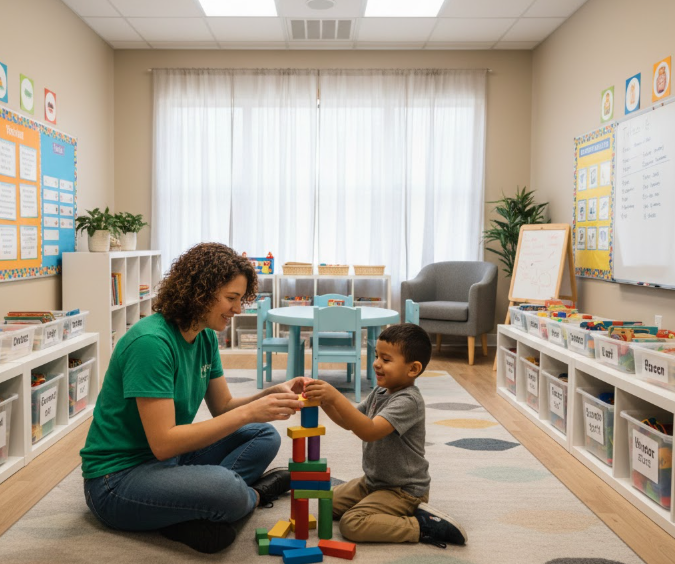
Finding the best ABA therapy Jenks offers starts with understanding what makes treatment truly effective. Quality ABA therapy combines experienced therapists, personalized treatment plans, and proven success rates that help children with autism reach their full potential. In Jenks, families have access to specialized programs designed to support communication, social skills, and daily living abilities through evidence-based approaches.
Choosing the right therapy provider can feel overwhelming, but knowing what to look for makes the process clearer. The best programs focus on individual needs, family involvement, and measurable progress that creates lasting change.
What Makes Quality ABA Therapy Stand Out?
Applied Behavior Analysis (ABA) therapy represents the gold standard for autism treatment, backed by decades of research and clinical success. The therapy uses scientific principles to understand behavior and create positive change through structured interventions and reinforcement strategies.
Quality ABA programs share several defining characteristics. Board Certified Behavior Analysts (BCBAs) design individualized treatment plans based on comprehensive assessments. These plans target specific skills while addressing behavioral challenges that may interfere with learning and daily functioning.
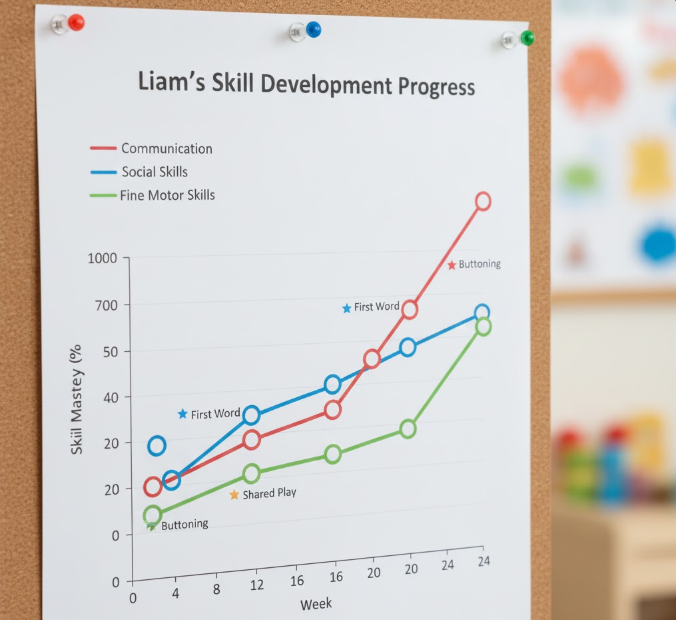
Research shows that ABA therapy has an impressive success rate of over 89% in improving key developmental areas like communication, social skills, and adaptive behaviors. Studies demonstrate that children receiving 25 to 40 hours of intensive therapy weekly over one to three years show significant gains across multiple domains.
At ABA therapy in Yukon, families discover how personalized approaches create meaningful progress through consistent application of behavioral principles.
How ABA Therapy Works in Practice
The best ABA therapy Jenks provides follows a systematic approach that breaks down complex skills into manageable steps. Therapists use several core techniques to promote learning and positive behavior.
Discrete Trial Training (DTT) structures learning into clear segments, each with a specific goal. The therapist presents an instruction, the child responds, and immediate feedback follows. Positive reinforcement strengthens desired behaviors, while unwanted responses receive no reward.
Natural Environment Training (NET) takes a play-based approach that helps children apply skills in real-world situations. This method ensures that abilities learned during therapy sessions transfer to home, school, and community settings.
Parent training forms another critical component. Therapists teach families how to reinforce skills outside of sessions, creating consistency that accelerates progress and maintains gains over time.
Therapy Component Purpose
Assessment Identifies current abilities, challenges, and learning style
Goal Setting Creates specific, measurable objectives tailored to the child
Direct Therapy One-on-one instruction using reinforcement and prompting
Data Collection Tracks progress to adjust treatment strategies
Family Collaboration Ensures skills generalize across all environments

Choosing the Best ABA Provider in Jenks
Not all ABA programs deliver the same level of quality. Families searching for the best ABA therapy Jenks has available should evaluate several key factors before making a decision.
Credentials matter significantly. Look for programs staffed by Board Certified Behavior Analysts who hold current certifications and maintain continuing education. These professionals possess the advanced training needed to design effective interventions and supervise treatment teams.
Experience with diverse learners indicates a provider’s ability to adapt strategies to individual needs. Ask about the age ranges served, types of autism presentations treated, and success stories that demonstrate real outcomes.
Treatment intensity and flexibility also play crucial roles. The best programs offer schedules that accommodate family life while providing enough hours to drive meaningful progress. Research indicates that higher weekly therapy hours typically correlate with better outcomes.
Insurance acceptance can affect accessibility. Quality providers work with major insurance companies and help families navigate coverage verification and authorization processes. Many Oklahoma programs accept SoonerCare and commercial insurance plans.
For families in surrounding areas, ABA therapy in Stillwater provides similar comprehensive services with experienced clinical teams.
Why Early Intervention Creates Better Outcomes
Starting therapy at a young age maximizes the potential for developmental gains. The brain’s neuroplasticity during early childhood allows for more rapid skill acquisition and behavioral change.
Studies from researchers at UCLA found that early intensive behavioral intervention enabled 90% of children on the autism spectrum to make substantial gains through ABA therapy. Dr. O. Ivar Lovaas, who pioneered modern ABA methods, discovered that 47% of children receiving intensive early intervention became indistinguishable from their typically developing peers.
Early intervention targets foundational skills that support later learning. Communication abilities, social reciprocity, play skills, and self-regulation develop more easily when addressed before patterns become deeply ingrained.
However, ABA therapy benefits individuals across the lifespan. Older children, teens, and adults also experience meaningful improvements in communication, independence, and quality of life through appropriately designed interventions.
Families exploring options can learn more about related support services through ABA therapy in Fairfax, VA.
Understanding Success Rates and Expected Outcomes
The effectiveness of the best ABA therapy Jenks offers shows up in measurable improvements across multiple areas. Data from over 20 peer-reviewed studies confirms that intensive ABA produces gains in intellectual functioning, language development, daily living skills, and social abilities.
A 2005 study by Swallows and Graupner found that 48% of children receiving early ABA therapy achieved fast advances in learning and standardized test scores. The US Surgeon General’s report on autism treatment indicates that ABA techniques contribute to long-term success in approximately 45% of cases.
Realistic expectations help families stay motivated throughout the treatment journey. Progress varies based on several factors including the child’s baseline abilities, therapy intensity, family involvement, and consistency of services.
Children with lower baseline adaptive skills often show more dramatic improvements because there’s greater room for development. Those receiving full recommended dosages of therapy (typically 25-40 hours weekly) demonstrate better outcomes than those with lower participation levels.
Outcome Area Expected Improvements
Communication Increased vocabulary, sentence use, conversational skills
Social Skills Better peer interaction, turn-taking, friendship development
Adaptive Behaviors Toileting, dressing, eating, daily routines
Academic Readiness Attention, following directions, pre-academic concepts
Behavioral Regulation Reduced challenging behaviors, improved coping strategies
For information on how autism affects development, read What is Level 1 Autism.
What to Expect During the ABA Process
Understanding the treatment journey helps families prepare for what lies ahead. The best ABA therapy Jenks provides follows a structured process from initial contact through ongoing services.
The intake phase begins with a consultation where families discuss concerns and goals. Providers explain their approach, answer questions, and determine whether ABA therapy fits the child’s needs.
Assessment comes next. A BCBA conducts comprehensive evaluations using standardized tools like the Vineland Adaptive Behavior Scales or VB-MAPP. These assessments measure current skills across communication, socialization, daily living, and other domains.
Based on assessment results, the BCBA develops an individualized treatment plan with specific, measurable goals. Parents review and approve the plan before services begin.
Direct therapy typically starts within weeks of authorization. Registered Behavior Technicians (RBTs) implement the treatment plan under BCBA supervision, collecting data during each session to track progress.
Regular progress reviews occur monthly or quarterly. The BCBA analyzes data, updates goals as needed, and adjusts strategies to maximize effectiveness. Parent training sessions help families support skill development at home.
The Role of Family Involvement in Success
Parent participation significantly influences therapy outcomes. Research demonstrates that children whose families actively engage in treatment show faster skill acquisition and better generalization of abilities.
Family involvement takes several forms. Parents attend training sessions where they learn to use ABA techniques during daily routines. This creates more opportunities for practice and reinforcement beyond scheduled therapy hours.
Communication between families and treatment teams ensures everyone works toward shared objectives. Regular updates keep parents informed about progress, while their observations help therapists understand how skills transfer to home and community settings.
Some programs offer parent-led ABA models that empower caregivers to deliver interventions directly. Recent research published in JMIR Pediatrics found that parent-led approaches can lead to meaningful goal achievement and improved clinical outcomes, particularly in areas like emotional regulation and communication.
Families interested in understanding autism genetics might find Who Carries the Autism Gene Mother or Father helpful.
Combining ABA with Other Therapies
While ABA addresses behavioral and learning needs, many children benefit from additional therapeutic services. The best ABA therapy Jenks offers often coordinates with speech therapy, occupational therapy, and other interventions.
Speech therapy complements ABA by targeting specific language skills like articulation, pragmatics, and comprehension. When speech therapists and BCBAs collaborate, they can reinforce each other’s goals and create cohesive treatment plans.
Occupational therapy addresses sensory processing, fine motor skills, and activities of daily living. OTs help children develop the physical abilities needed to dress, eat, write, and participate in school activities.
Some programs provide multiple services under one roof, simplifying scheduling and promoting communication between providers. This integrated approach ensures all therapists work toward common objectives.
For families curious about treatment safety, Is ABA Therapy Harmful addresses common concerns with evidence-based information.

Insurance Coverage and Financial Considerations
Understanding insurance benefits helps families access needed services without financial hardship. Most commercial insurance plans and Medicaid programs in Oklahoma cover ABA therapy for autism.
Oklahoma’s SoonerCare provides comprehensive ABA coverage for eligible children. The program covers assessments, treatment planning, direct therapy hours, and parent training without annual caps or hourly limits in many cases.
Commercial insurers like Blue Cross Blue Shield of Oklahoma, Aetna, and UnitedHealthcare typically cover ABA under autism mandates. Coverage details vary by plan, so verifying benefits before starting services prevents surprises.
The intake process usually includes insurance verification. Providers contact insurance companies to confirm coverage, determine copays or deductibles, and obtain necessary authorizations.
Costs for families typically include copayments per session or coinsurance percentages. Without insurance, private pay rates for ABA therapy generally range from $120 to $200 per hour depending on the provider and location.
For information about specific insurance coverage, explore Does Aetna Cover ABA Therapy.
Finding Local Resources in Jenks
Jenks families have access to quality autism services through local and regional providers. The area’s proximity to Tulsa expands options for specialized care and comprehensive programs.
When researching providers, schedule consultations with multiple programs to compare approaches, credentials, and culture. Meeting therapists and touring facilities provides insight into whether a program aligns with your child’s needs and your family’s values.
Online reviews and parent testimonials offer perspectives from families who’ve used services. While individual experiences vary, patterns in feedback can reveal strengths and potential concerns.
Local support groups and autism organizations provide valuable resources and connections. Oklahoma Autism Network, for example, offers workshops, training, and networking opportunities for families navigating autism services.
Schools in the Jenks district may have partnerships with ABA providers for school-based services. Coordinating in-school support with clinic or home-based therapy creates consistency across environments.
Families in nearby communities can explore ABA therapy in Lawton for additional options.
How to Get Started with ABA Therapy
Taking the first step toward ABA services requires gathering necessary information and documentation. The process moves more smoothly when families prepare in advance.
Start by obtaining a formal autism diagnosis from a qualified professional. ABA coverage typically requires documentation of an autism spectrum disorder diagnosis from a psychologist, developmental pediatrician, or psychiatrist.
Request a prescription for ABA therapy from your child’s physician. This medical necessity document authorizes services and supports insurance authorization processes.
Compile insurance information including policy numbers, group numbers, and contact information for behavioral health benefits. Having this ready expedites verification and authorization.
Contact providers to schedule intake consultations. During these meetings, ask questions about treatment philosophy, therapist qualifications, scheduling flexibility, and expected timelines for starting services.
Be prepared to wait for services in some cases. High demand for ABA therapy can create waitlists, though many providers prioritize young children and those with urgent needs.
Wrapping Up: Making the Right Choice for Your Family
Selecting the best ABA therapy Jenks offers requires careful consideration of provider credentials, treatment approach, family involvement, and practical factors like scheduling and insurance. Quality programs share common elements including experienced BCBAs, individualized treatment plans, data-driven decision making, and collaborative family partnerships.
Research supports ABA as the most effective intervention for autism, with success rates exceeding 89% for improving communication, social skills, and adaptive behaviors. Early intervention produces the strongest outcomes, though individuals of all ages benefit from appropriately designed programs.
Finding the right fit means asking questions, visiting facilities, and trusting your instincts about what feels right for your child and family. The therapeutic relationship between your child, therapists, and your family creates the foundation for meaningful progress and lasting change.
At Dream Bigger ABA, we believe every child with autism deserves access to evidence-based treatment that respects their individuality while building essential skills for independence and success. Whether you’re just beginning to explore ABA therapy or seeking a new provider, taking that first step opens doors to new possibilities.
Frequently Asked Questions
What is the 80/20 rule in ABA?
The 80/20 rule suggests therapists should deliver reinforcement 80% of the time and correction 20% of the time during sessions. This principle promotes a positive learning environment where children experience frequent success and encouragement. The approach builds motivation and reduces frustration by emphasizing what children do well rather than focusing primarily on errors. However, the exact ratio varies based on individual needs, skill levels, and specific teaching targets. Some children benefit from higher reinforcement rates during initial learning, while others may need more balanced feedback as skills develop.
What’s the best age to start ABA therapy?
Most experts recommend starting ABA therapy between ages 2 and 6 for optimal results. Research consistently shows that early intervention during these critical developmental years produces the most significant gains in communication, social skills, and adaptive behaviors. The brain’s neuroplasticity during early childhood allows for faster skill acquisition and behavioral change. However, ABA therapy benefits individuals of all ages. Older children, adolescents, and adults also experience meaningful improvements in independence, social functioning, and quality of life through appropriately designed interventions tailored to their developmental level.
How much does ABA therapy usually cost?
Without insurance, ABA therapy typically costs between $120 and $200 per hour depending on location and provider. Comprehensive programs recommending 25-40 hours weekly can total $3,000 to $8,000 monthly at private pay rates. Fortunately, insurance coverage significantly reduces out-of-pocket expenses for most families. Oklahoma’s SoonerCare and commercial insurance plans typically cover ABA therapy for children with autism diagnoses. Families usually pay only copayments (often $10-50 per session) or coinsurance percentages. Some providers offer sliding scale fees or financial assistance programs for uninsured families.
What is the 6 second rule for autism?
The 6 second rule refers to waiting six seconds after giving an instruction before prompting or repeating the direction. This practice gives children with autism adequate processing time to understand the request, formulate a response, and initiate action. Many individuals on the spectrum need extra time to process auditory information and organize motor responses. Rushing or immediately repeating instructions can create confusion and interfere with independent responding. The 6 second pause shows patience, reduces pressure, and promotes self-initiation. Therapists adjust wait times based on individual processing speeds and skill levels.
Do insurance companies have to cover ABA therapy?
In Oklahoma and all 50 states, insurance mandates require most commercial plans to cover ABA therapy for autism. These laws apply to fully insured plans, though self-funded employer plans may be exempt. SoonerCare (Oklahoma Medicaid) provides comprehensive ABA coverage for eligible children without annual caps in many cases. Coverage typically includes assessments, treatment planning, direct therapy, and parent training. Specific benefits vary by insurance carrier and plan type, so families should verify coverage details before starting services. Providers typically handle authorization and verification processes to ensure coverage.