
The best ABA therapy Broken Arrow offers starts with understanding what makes treatment truly effective. Quality Applied Behavior Analysis combines certified therapists, individualized treatment plans, and family collaboration to help children with autism reach their full potential. Finding the right provider means looking beyond marketing claims to evaluate credentials, methods, and measurable outcomes.
Choosing ABA therapy represents a significant decision for your family. The right program can transform communication skills, reduce challenging behaviors, and build independence. Yet not all providers deliver the same quality of care. Let’s explore what distinguishes exceptional ABA therapy and how to identify providers who will genuinely support your child’s growth.
What Makes ABA Therapy Effective?
Applied Behavior Analysis is a scientific approach to understanding and changing behavior. It works by breaking down complex skills into smaller, teachable steps and using positive reinforcement to encourage learning. The therapy focuses on increasing helpful behaviors like communication and social skills while decreasing behaviors that interfere with learning.
Research consistently shows that intensive, early ABA intervention produces significant improvements in language development, adaptive behavior, and daily living skills. Studies demonstrate that children who receive 25-40 hours of quality ABA therapy per week show greater progress than those receiving fewer hours or less structured interventions.
The effectiveness of best ABA therapy Broken Arrow families choose depends on several factors. Treatment must be individualized to address each child’s unique strengths and challenges. Therapists should collect data continuously to measure progress and adjust strategies based on what works. Family involvement amplifies results because parents learn to reinforce skills throughout daily routines.
At ABA therapy in Centreville, VA, qualified professionals design comprehensive programs that evolve with each child’s development, ensuring consistent progress toward meaningful goals.
Key Components of Quality ABA Programs
Exceptional ABA therapy includes specific elements that maximize learning outcomes. These components work together to create an environment where children thrive and families feel supported throughout the treatment journey.
| Component | Why It Matters |
| Board Certified Behavior Analysts (BCBAs) | BCBAs design treatment plans based on thorough assessments and supervise implementation to ensure fidelity to evidence-based practices. |
| Registered Behavior Technicians (RBTs) | RBTs deliver direct therapy under BCBA supervision, implementing teaching strategies consistently and collecting accurate data. |
| Individualized Treatment Plans | Every child has different needs, strengths, and learning styles that require customized approaches rather than one-size-fits-all programs. |
| Family Training and Support | Parents who understand ABA principles can reinforce skills at home, creating more opportunities for practice and generalization. |
| Progress Monitoring | Regular data collection and analysis reveal what’s working and guide necessary adjustments to keep therapy effective. |
The best ABA therapy Broken Arrow providers offer combines these elements with compassionate care that respects each child’s dignity and celebrates their unique way of experiencing the world.
Understanding the 80/20 Rule in ABA
The 80/20 rule in ABA therapy refers to a guideline for balancing instruction during learning sessions. Therapists aim for children to respond correctly about 80% of the time, with the remaining 20% representing learning opportunities where mistakes happen. This ratio indicates that tasks are appropriately challenging without causing frustration or learned helplessness.
When success rates drop below 80%, the skill may be too difficult and needs to be broken into smaller steps. When success exceeds 90% consistently, the child has likely mastered that skill and is ready for more complex challenges. This principle helps therapists maintain optimal learning conditions where children feel confident yet continuously growing.
Quality providers monitor these ratios carefully across different skill domains. They adjust task difficulty, prompting levels, and reinforcement strategies to keep children engaged in productive learning. Understanding this balance demonstrates a provider’s commitment to data-driven, scientifically sound practices.

What Age Should Children Start ABA Therapy?
Research strongly supports starting ABA therapy as early as possible after an autism diagnosis. The ideal age to begin is between 2 and 6 years old, when children’s brains show the greatest neuroplasticity and capacity for learning new skills. Early intervention during these critical developmental years produces more significant long-term improvements in cognitive, language, and social abilities.
However, ABA therapy benefits individuals across the lifespan. Older children, teenagers, and adults can still make meaningful progress in communication, life skills, and behavioral management. The key is finding a program tailored to the individual’s current developmental level and specific goals, regardless of age.
Starting early allows therapists to address skill deficits before they widen and to prevent the development of more challenging behaviors. Children who receive intensive early intervention often require less support as they grow, with some eventually transitioning to less restrictive educational settings. For families concerned about autism running in families, early screening and intervention become even more important.
If you’re exploring options for treatment, programs like ABA therapy in Fairfax, VA provide comprehensive assessments to determine appropriate starting points regardless of your child’s current age or skill level.
How to Choose the Right ABA Therapist
Selecting an ABA provider requires careful evaluation of credentials, experience, and approach. Start by verifying that the supervising clinician holds current Board Certified Behavior Analyst (BCBA) certification from the Behavior Analyst Certification Board. This credential ensures they’ve completed graduate-level education, supervised fieldwork, and passed a comprehensive examination.
Ask about the therapist-to-child ratio and how much direct BCBA supervision each child receives. Quality programs provide regular BCBA oversight, typically at least 5-10% of total therapy hours, not just initial assessment and periodic check-ins. Registered Behavior Technicians delivering direct therapy should have completed the 40-hour RBT training and maintain active certification.
| Questions to Ask Providers | What to Look For |
| What are your therapists’ qualifications? | BCBAs should supervise programs; RBTs should deliver direct therapy with proper certification and ongoing training. |
| How do you individualize treatment? | Look for comprehensive assessments, family input integration, and flexibility to adjust based on progress data. |
| What does family involvement look like? | Strong programs include parent training, regular communication, and collaboration on goal-setting. |
| How do you measure progress? | Providers should explain their data collection methods, frequency of progress reviews, and how they make treatment decisions. |
| What is your approach to challenging behaviors? | Ethical providers prioritize positive reinforcement and teaching replacement skills over punishment-based methods. |
Trust your instincts about the relationship between therapists and your child. The best ABA therapy Broken Arrow families choose includes professionals who communicate clearly, respect your concerns, and celebrate your child’s progress genuinely.
Addressing Controversies Around ABA Therapy
ABA therapy has faced criticism from some members of the autism community, primarily regarding historical practices that emphasized compliance and suppression of autistic traits. Early ABA sometimes used aversive techniques and focused heavily on making autistic children appear “normal” rather than supporting their authentic development.
Modern ABA has evolved significantly from these origins. Contemporary practice emphasizes positive reinforcement, respects neurodiversity, and focuses on teaching functional skills that improve quality of life rather than forcing conformity. Ethical practitioners work to increase communication abilities, develop independence, and reduce behaviors that cause harm or limit opportunities, not to eliminate harmless stimming or enforce eye contact.
The controversy highlights the importance of choosing providers who practice compassionate, neurodiversity-affirming ABA. Ask potential therapists about their philosophy and how they incorporate client autonomy and preferences into treatment. Quality providers view themselves as partners in your child’s development, not as behavior modifiers seeking compliance.
For families wondering is ABA therapy harmful, understanding both historical context and modern ethical standards helps make informed decisions. Look for providers who prioritize your child’s emotional wellbeing alongside skill development and who adjust approaches based on individual needs rather than rigid protocols.
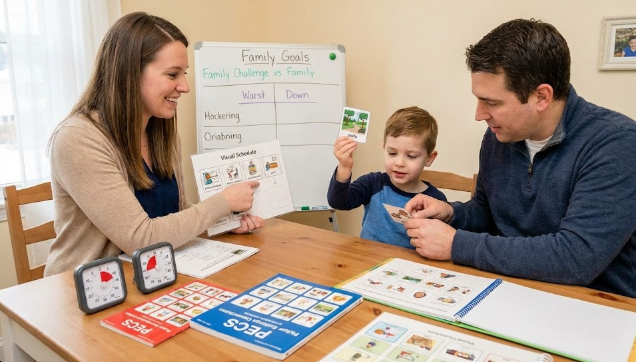
What the 3-3-3 Rule Means for Children
The 3-3-3 rule is a simple grounding technique that helps children manage anxiety and overwhelming emotions. When a child feels distressed, they identify three things they can see, three sounds they can hear, and move three parts of their body. This sensory-based strategy redirects attention away from anxiety-producing thoughts and back to the present moment.
For children receiving ABA therapy, particularly those who struggle with emotional regulation, the 3-3-3 rule serves as a practical coping skill. Therapists can teach this technique systematically, practicing it during calm moments so children can access it independently when stressed. The rule works especially well for children on the autism spectrum who may become overwhelmed by sensory input or unexpected changes.
Incorporating strategies like the 3-3-3 rule into ABA programming demonstrates how modern therapy integrates emotional wellbeing with behavioral goals. The best providers recognize that teaching coping skills matters as much as building academic or social abilities. They create comprehensive treatment plans addressing the whole child, not just isolated behaviors.
Insurance Coverage and Financial Considerations
Most health insurance plans now cover ABA therapy for autism spectrum disorder, thanks to state mandates and federal regulations. However, coverage specifics vary significantly between insurers and individual plans. Some policies cover comprehensive services with minimal out-of-pocket costs, while others impose session limits, require high copayments, or restrict provider networks.
Before committing to a provider, verify your insurance benefits thoroughly. Ask your insurance company about annual therapy hour limits, authorization requirements, covered services, and approved providers. Quality ABA programs typically have dedicated staff who handle insurance verification and can explain your specific coverage details.
If insurance proves insufficient or unavailable, explore alternative funding sources. Some families access services through Medicaid waivers, state-funded early intervention programs, or school district support. Others negotiate payment plans with providers or seek grants from autism-focused nonprofit organizations.
Programs like ABA therapy in Manassas, VA work with families to maximize insurance benefits and identify additional funding resources, ensuring that financial barriers don’t prevent children from receiving necessary services.
Red Flags When Evaluating ABA Providers
Certain warning signs indicate a provider may not deliver quality care. Be cautious if therapists cannot clearly explain their methods or seem dismissive of your questions and concerns. Legitimate professionals welcome parental involvement and provide transparent information about their approaches.
Avoid providers who promise unrealistic outcomes or guarantee that therapy will “cure” autism. While ABA produces meaningful improvements, autism is a lifelong neurological difference, not an illness requiring a cure. Ethical therapists set achievable goals focused on building skills and independence rather than making children indistinguishable from neurotypical peers.
Watch for programs that rely heavily on punishment-based interventions or that prioritize stopping harmless autistic behaviors like stimming. Modern best practices emphasize positive reinforcement and teaching functional skills. If therapists focus more on compliance and obedience than on your child’s genuine needs and preferences, look elsewhere.
Question providers who discourage parent observation or participation in therapy sessions. Transparency indicates confidence in methods and respect for families’ roles in treatment. You should feel welcome to observe sessions and receive regular detailed updates about your child’s progress.
Building a Strong Partnership with Your Therapy Team
Successful ABA therapy depends on collaboration between therapists and families. Establish open communication from the start by asking questions, sharing observations, and expressing concerns promptly. Regular meetings to review progress and adjust goals ensure everyone works toward the same objectives.
Practice ABA strategies at home to reinforce learning across environments. When therapists teach your child to request items using words or pictures, use the same system during meals and play. Consistency between therapy sessions and daily routines accelerates skill acquisition and helps children generalize abilities to real-world situations.
Share information about your child’s interests, preferences, and daily challenges. Therapists create more engaging and effective programs when they understand what motivates your child and which situations cause difficulty. Your insights as a parent provide invaluable context that assessments alone cannot capture.
For families exploring how to explain autism to kids, therapists can offer guidance on age-appropriate language and strategies for helping siblings and peers understand autism in positive, accepting ways.

Measuring Progress in ABA Therapy
Quality ABA programs use systematic data collection to track skill acquisition and behavior change. Therapists measure specific targets multiple times per session, recording accuracy, prompting levels, and other relevant information. This ongoing assessment reveals whether interventions work or require modification.
Progress reviews typically occur monthly or quarterly, with BCBAs analyzing cumulative data to identify trends and adjust treatment plans. These meetings provide opportunities for families to discuss observations, celebrate achievements, and address concerns about pacing or priorities.
Look beyond behavioral targets to evaluate overall quality of life improvements. Is your child communicating needs more effectively? Showing increased independence in daily routines? Engaging more successfully with siblings or peers? These functional outcomes matter as much as mastering discrete skills measured during therapy sessions.
Some children progress rapidly while others advance more gradually. The best ABA therapy Broken Arrow providers understand that development isn’t linear and adjust expectations based on individual learning profiles rather than arbitrary timelines. Patience combined with data-driven decision-making produces the strongest long-term outcomes.
Supporting Your Child’s Journey Beyond Therapy Sessions
ABA therapy works best when embedded within a comprehensive support system. Beyond structured therapy hours, children benefit from inclusive educational settings, social opportunities, and activities that build on their interests and strengths. Look for community programs, recreational activities, and peer groups where your child can practice skills in natural environments.
Maintain open communication with your child’s school to ensure consistency between educational and therapeutic approaches. Many children receive both school-based services and private ABA therapy. Coordinating goals and strategies across settings prevents confusion and maximizes learning opportunities.
Prioritize your family’s wellbeing alongside your child’s therapeutic needs. Caring for a child with autism can feel overwhelming, and parental stress affects the entire family system. Seek support through parent groups, respite care services, and mental health resources when needed. Taking care of yourself enables you to better support your child’s development.
Remember that autism is just one aspect of your child’s identity. Celebrate their unique interests, talents, and personality. The goal of quality ABA therapy is not to change who your child is but to provide tools that help them navigate the world more successfully and live as independently as possible.
Key Takeaways About Finding Quality ABA Services
The best ABA therapy Broken Arrow families trust combines scientific rigor with compassionate, individualized care. Start by verifying credentials and understanding how providers measure progress and involve families in treatment decisions. Ask questions about philosophy, methods, and outcomes rather than accepting marketing promises at face value.
Early intervention produces the strongest results, but therapy benefits individuals at any age when properly tailored to developmental levels and specific needs. Modern ABA emphasizes positive approaches and functional skills rather than compliance and conformity. Choose providers who respect neurodiversity while building genuine capabilities that enhance quality of life.
Success requires partnership between therapists and families, with consistent implementation of strategies across environments. Monitor progress through objective data while also considering broader improvements in communication, independence, and wellbeing. Trust your instincts about providers and advocate persistently for approaches that honor your child’s dignity and support their authentic development.
Whether you’re just beginning to explore options or seeking to improve current services, understanding what distinguishes exceptional ABA therapy empowers you to make informed choices that truly benefit your child. Programs like ABA therapy in Ashburn, VA demonstrate how quality care transforms lives when expertise meets genuine commitment to each child’s unique journey.
Wrapping Up: Your Next Steps in Finding Quality ABA Care
Finding the best ABA therapy Broken Arrow has available requires research, questions, and careful consideration of your child’s unique needs. Quality programs combine certified professionals, evidence-based methods, and genuine respect for each child’s individuality. They measure progress objectively while celebrating growth in all its forms.
Start by identifying providers with proper credentials and transparent practices. Schedule consultations to discuss your child’s specific challenges and goals. Trust both the data and your instincts about whether therapists truly understand and connect with your child. Remember that the right program creates partnership, not just services.
At Dream Bigger ABA, we believe every child deserves therapy that honors who they are while building skills that expand their possibilities. Whether you’re taking first steps toward diagnosis or seeking to improve existing services, understanding what makes ABA therapy truly effective empowers you to advocate for the care your child deserves.
Frequently Asked Questions
What is the 80/20 rule in ABA?
The 80/20 rule means children should succeed on tasks about 80% of the time during therapy sessions. This balance ensures activities are challenging enough to promote learning but not so difficult that they cause frustration. When success rates fall below 80%, therapists adjust by breaking skills into smaller steps or providing more support. When rates exceed 90% consistently, it indicates mastery and readiness for more advanced goals.
What is the best age to start ABA therapy?
The ideal age to start ABA therapy is between 2 and 6 years old, as early as possible after diagnosis. During these years, children’s brains show the greatest capacity for learning new skills. Early intervention produces more significant improvements in communication, social abilities, and adaptive behaviors. However, ABA therapy remains beneficial for older children, teenagers, and adults when programs are tailored to their specific developmental needs and goals.
What’s the controversy with ABA therapy?
The controversy stems from historical ABA practices that focused on compliance and suppressing autistic traits rather than supporting authentic development. Early methods sometimes used punishment and aimed to make autistic children appear “normal.” Modern ABA has evolved to emphasize positive reinforcement, respect neurodiversity, and teach functional skills that improve quality of life. Ethical contemporary practice prioritizes the individual’s wellbeing and autonomy rather than forced conformity.
How do I choose an ABA therapist?
Choose an ABA therapist by verifying Board Certified Behavior Analyst (BCBA) credentials and evaluating their approach to individualized care. Ask about therapist qualifications, supervision ratios, family involvement opportunities, progress measurement methods, and their philosophy regarding neurodiversity. Observe how therapists interact with your child, ensuring they demonstrate respect, patience, and genuine interest in your child’s development rather than just behavior modification.
What is the 3-3-3 rule for children?
The 3-3-3 rule is a grounding technique where children identify three things they see, three sounds they hear, and move three body parts to manage anxiety. This sensory-based strategy helps redirect attention from overwhelming emotions to the present moment. ABA therapists often teach this coping skill systematically so children can use it independently when feeling stressed or anxious, supporting emotional regulation alongside behavioral goals.