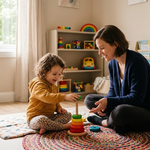
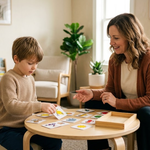
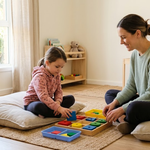
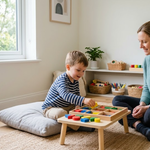
Autism in 4 year old children often becomes more noticeable as developmental differences become clearer during preschool years. By age four, many children with autism spectrum disorder (ASD) display distinct patterns in communication, social interaction, and behavior that set them apart from their peers.
Understanding these signs early opens the door to effective intervention and support. Whether you’re a parent noticing differences in your child’s development or simply seeking to understand autism better, this guide will walk you through what to look for, how diagnosis works, and the practical steps that can help your child thrive.
The preschool years are a critical window for growth and learning. Recognizing autism at this age means you can access therapies and strategies that make a real difference in your child’s development and future success.
Understanding Autism Spectrum Disorder in Preschoolers
Autism spectrum disorder is a developmental condition that affects how children communicate, interact with others, and experience the world around them. It’s called a “spectrum” because it shows up differently in every child, with varying strengths and challenges.
At age four, children are typically expanding their vocabulary, making friends, and showing curiosity about the world. For children with autism, these milestones may look different. Some might have advanced skills in certain areas like memory or visual thinking, while facing difficulties in social situations or communication.
The condition isn’t about intelligence or potential. Many children with autism possess remarkable abilities in pattern recognition, attention to detail, or creative problem-solving. What matters most is understanding your child’s unique profile and providing the right support.
Research shows that early identification and intervention significantly improve outcomes. The brain’s plasticity during early childhood means that targeted therapies can help children develop essential skills for school, relationships, and daily life.
Common Signs of Autism in 4 Year Old Children
Recognizing autism in 4 year old children involves watching for patterns across different areas of development. These signs often become more apparent as social and communication demands increase in preschool settings.
Communication and Language Patterns
Children with autism at age four may show distinct communication differences. Some speak very little or not at all, while others have extensive vocabularies but struggle with back-and-forth conversation. You might notice your child echoing phrases they’ve heard (called echolalia) rather than using original language.
Many four-year-olds with autism have difficulty understanding gestures, facial expressions, or tone of voice. They may take words literally, missing sarcasm or jokes that other children find funny. Some children speak in a monotone voice or have unusual speech rhythms.
Questions might go unanswered, not because your child is ignoring you, but because they process language differently. They may struggle to express their needs or feelings, leading to frustration for both child and parent.
Social Interaction Differences
Social challenges often stand out clearly by age four. Your child might prefer playing alone rather than joining group activities. Making eye contact may feel uncomfortable for them, or they might look at you in brief, fleeting glances rather than sustained gazes.
Sharing interests with others—like showing you a toy they find exciting or pointing at interesting things—may not come naturally. Friendships can be difficult because they don’t pick up on the unspoken rules of social interaction that other children seem to understand instinctively.
Some children with autism don’t respond to their name consistently, especially in busy or distracting environments. They may seem unaware of other children around them or show little interest in what peers are doing.
Behavioral and Sensory Characteristics
Repetitive behaviors and intense interests are hallmark features of autism in 4 year old children. Your child might line up toys in precise rows, spin objects repeatedly, or insist on the same routines every day. Changes to routines can trigger significant distress.
Sensory sensitivities are common. Some children cover their ears at everyday sounds like vacuum cleaners or hand dryers. Others seek out sensory input by spinning, rocking, or touching specific textures repeatedly. Certain clothing tags, food textures, or bright lights might cause genuine discomfort.
Hand flapping, toe walking, or body rocking—behaviors called “stimming”—help children with autism regulate their sensory experiences. These aren’t just habits; they serve important self-soothing purposes. If you’re curious about these behaviors, learning about what is stimming in autism can provide valuable insights.
The table below outlines observable characteristics across different developmental areas:
| Developmental Area | What You Might Notice |
| Language | Limited speech, echoing phrases, difficulty with conversation, literal understanding |
| Social Skills | Prefers solitary play, limited eye contact, doesn’t share interests spontaneously |
| Behavior | Repetitive actions, rigid routines, intense focused interests, resistance to change |
| Sensory Processing | Over-sensitivity or under-sensitivity to sounds, textures, lights, or movement |
| Play Patterns | Plays with toys in unusual ways, lines up objects, lacks pretend play |
Getting a Diagnosis: What to Expect
If you suspect autism in 4 year old development, seeking a professional evaluation is the important next step. Early diagnosis opens access to therapies and support services that can significantly impact your child’s progress.
The Evaluation Process
A comprehensive autism evaluation involves multiple professionals and assessment tools. Developmental pediatricians, child psychologists, or neurologists typically lead the diagnostic process. They’ll ask detailed questions about your child’s developmental history, observe their behavior, and use standardized assessment tools.
The evaluation examines communication skills, social interaction patterns, repetitive behaviors, and sensory responses. Professionals also assess cognitive abilities and adaptive functioning—how your child manages daily tasks like dressing, eating, or following routines.
Some children receive additional testing for hearing, vision, or genetic conditions that can co-occur with autism. The process might feel lengthy, but thoroughness ensures accurate diagnosis and appropriate recommendations.
Parents play a crucial role by sharing observations about their child’s behavior at home, in different settings, and with various people. Your insights help professionals understand the full picture of your child’s strengths and challenges.
Understanding Autism Levels
Autism diagnoses now include support levels that indicate how much assistance a child needs. Level 1 autism describes children who need support but can function relatively independently with some help. These children often have language skills but struggle with social nuances and flexibility.
Level 2 autism indicates substantial support needs. Children at this level have more noticeable difficulties with verbal and nonverbal communication and show marked challenges with change or transitions.
Level 3 autism means a child requires very substantial support across most areas. These children typically have severe communication challenges and very limited flexibility in behavior.
Understanding your child’s support level helps you access appropriate services and set realistic goals. It’s not about labeling your child; it’s about ensuring they receive the help they need to grow and learn.
[Image Suggestion: A compassionate healthcare provider conducting a developmental assessment with a young child using age-appropriate toys and evaluation materials in a clinical setting]
Causes and Risk Factors
The question “what are the three main causes of autism” doesn’t have a simple answer because autism results from complex interactions between genetic and environmental factors. However, research has identified three primary contributing areas:
Genetic Factors: Autism runs in families, suggesting strong genetic influences. If you’re wondering who carries the autism gene mother or father, the truth is that both parents can contribute genetic variants that increase autism risk. Multiple genes work together, and most cases involve combinations of common genetic variations rather than single gene mutations.
Brain Development Differences: Studies show differences in brain structure and function in people with autism. These differences affect how the brain processes information, particularly social and sensory input. Brain development begins before birth and continues through early childhood, influenced by both genetic and environmental factors.
Environmental Influences: While genetics play a major role, environmental factors during pregnancy and early development may also contribute. These include advanced parental age, pregnancy complications, or premature birth. It’s important to note that vaccines do NOT cause autism—this myth has been thoroughly debunked by extensive scientific research.
Other risk factors include having a sibling with autism, certain genetic conditions like Fragile X syndrome, or being born extremely prematurely. Understanding these factors helps researchers develop better interventions, though knowing the cause doesn’t change the approach to supporting your child.
Effective Support and Intervention Options
Once you recognize autism in 4 year old development, the focus shifts to finding effective support strategies. Early intervention makes a substantial difference in helping children develop communication, social, and daily living skills.
Applied Behavior Analysis (ABA) Therapy
ABA therapy stands as the most researched and evidence-based intervention for autism. This structured approach breaks down complex skills into smaller, manageable steps and uses positive reinforcement to encourage learning and growth.
For four-year-olds, ABA therapy can address communication challenges, teach social skills, reduce problematic behaviors, and build independence in self-care tasks. Therapy sessions are tailored to your child’s specific needs and interests, making learning engaging and effective.
Many families wonder is ABA therapy harmful, especially given some outdated practices from decades ago. Modern ABA focuses on positive reinforcement, respects the child’s autonomy, and works collaboratively with families. Quality providers prioritize making therapy enjoyable while building essential skills.
If you’re in Virginia, programs like ABA therapy in Fairfax, VA or ABA therapy in Manassas, VA offer comprehensive support designed specifically for young children with autism.
Speech and Occupational Therapy
Speech therapy helps children improve communication skills, whether they’re working on speaking clearly, understanding language, or using alternative communication methods like picture systems or devices. Speech-language pathologists also address feeding difficulties that some children with autism experience.
Occupational therapy targets sensory processing issues, fine motor skills, and daily living abilities. Therapists help children become more comfortable with different textures, sounds, and movements while teaching practical skills like getting dressed, using utensils, or writing.
Educational Support and Inclusion
Preschool programs with special education services can provide structured learning environments adapted to your child’s needs. Individualized Education Programs (IEPs) outline specific goals and accommodations that help your child succeed in school settings.
Inclusion in regular preschool classrooms with appropriate support benefits many children with autism. Interacting with typically developing peers provides natural opportunities to practice social skills and communication.
The following table outlines common intervention approaches and their primary benefits:
| Intervention Type | Primary Focus | Key Benefits |
| ABA Therapy | Behavior, communication, social skills, independence | Evidence-based, individualized, comprehensive skill building |
| Speech Therapy | Language development, communication alternatives | Improves expression, understanding, social communication |
| Occupational Therapy | Sensory processing, motor skills, daily living | Reduces sensory challenges, builds independence |
| Special Education | Academic readiness, structured learning | School preparation, goal-focused support |
| Parent Training | Home strategies, consistency | Empowers families, extends learning beyond therapy |
Supporting Your Child at Home
Professional therapy provides essential support, but what you do at home matters enormously. Creating a supportive environment and using effective strategies throughout daily routines reinforces skills and helps your child feel secure.
Creating Structure and Predictability
Children with autism thrive on routine and predictability. Establish consistent schedules for meals, bedtime, and activities. Visual schedules using pictures or symbols help your child understand what comes next, reducing anxiety about transitions.
Prepare your child for changes ahead of time. If you’re going somewhere new, show pictures, explain what will happen, and practice if possible. The more predictable their world feels, the more comfortable they become trying new things.
Create calm spaces at home where your child can retreat when overwhelmed. These sensory-friendly areas might include soft lighting, comfortable seating, and favorite calming items like weighted blankets or fidget toys.
Communication Strategies
Meet your child where they are with communication. If they’re not yet speaking, use simple language combined with gestures or pictures. Many families successfully use visual supports like picture exchange systems to help their child communicate wants and needs.
Give your child extra time to process and respond to questions. Count to ten in your head before repeating or rephrasing—children with autism often need longer to formulate responses.
Narrate daily activities to build language naturally. Describe what you’re doing during routines like getting dressed or making snacks. This constant language exposure supports vocabulary development without pressure to respond.
Building Social Skills
Arrange structured playdates with one other child rather than overwhelming group situations. Choose activities your child enjoys and provide gentle guidance about taking turns or sharing. Keep initial playdates short and positive.
Teach social skills explicitly rather than expecting your child to pick them up naturally. Practice greetings, saying goodbye, or asking for help through role-playing. Social stories—short, illustrated narratives about specific situations—help children understand social expectations.
Celebrate small victories. Every new skill, no matter how minor it seems, represents significant progress for your child.
Long-Term Outlook and Growth
Parents often wonder about the future when they learn their four-year-old has autism. While autism is a lifelong condition, with appropriate support, many children make remarkable progress and lead fulfilling, independent lives.
Some children who receive early, intensive intervention show dramatic improvements in communication and social skills. Others continue needing significant support throughout their lives. The wide range of outcomes reflects autism’s spectrum nature—no two children follow identical paths.
Focus on celebrating your child’s unique strengths and interests rather than comparing them to typical developmental timelines. Many individuals with autism excel in fields requiring attention to detail, pattern recognition, logical thinking, or visual-spatial skills.
Building a strong support network helps families navigate challenges. Connect with other autism families, join support groups, and learn from how to explain autism to kids in your child’s life. Understanding and acceptance from extended family and friends make an enormous difference.
Remember that autism is just one part of who your child is. They have personality traits, likes and dislikes, humor, and potential that extend far beyond any diagnosis. Your love, advocacy, and support remain the most powerful factors in helping them thrive.
Moving Forward with Confidence
Discovering autism in 4 year old development can feel overwhelming, but it’s also the beginning of a journey filled with growth, learning, and unexpected joys. Every child with autism brings unique gifts to the world, from remarkable memory to intense passion for their interests to refreshingly honest perspectives.
Early recognition means early action. Connecting with professionals who understand autism makes all the difference. These experts become partners in your child’s development, celebrating victories and problem-solving challenges alongside you.
Trust your instincts as a parent. You know your child better than anyone else. If something feels different about their development, seeking evaluation shows strength, not worry. The sooner children receive appropriate support, the better equipped they become to navigate their world with confidence.
At Dream Bigger ABA, we believe every child deserves the opportunity to reach their full potential. Through personalized therapy programs and family-centered support, we help children with autism build communication skills, develop meaningful relationships, and gain independence. Because when you understand autism and provide the right support, remarkable things become possible.
Frequently Asked Questions
How do you know if a 4 year old has autism?
Signs include delayed speech, limited eye contact, preferring solitary play, repetitive behaviors, and difficulty with social interaction. Watch for patterns across multiple areas rather than isolated behaviors. A child might not respond to their name, avoid playing pretend games, line up toys repeatedly, or become very upset by routine changes.
What does high functioning autism look like in a 4 year old?
A child with high functioning autism typically has verbal skills but struggles with social nuances, shows intense focused interests, and needs routine. They might speak clearly and have impressive vocabularies, yet miss social cues like taking turns in conversation or understanding when someone is joking. m.
What are the three main causes of autism?
Genetic factors, brain development differences, and environmental influences during pregnancy combine to cause autism. Multiple genes inherited from both parents increase autism likelihood, though no single gene causes it. Brain structure and connectivity differences affect how children process social and sensory information
What is a Level 1 autism in a 4 year old?
Level 1 autism means a child needs support but functions relatively independently with help, particularly in social situations and with flexibility. Children at this level usually speak in sentences and can participate in preschool activities with some assistance. They understand language but may miss subtle social cues or have trouble making friends. Changes to routine can cause distress, and they may show repetitive behaviors or intense interests in specific topics.