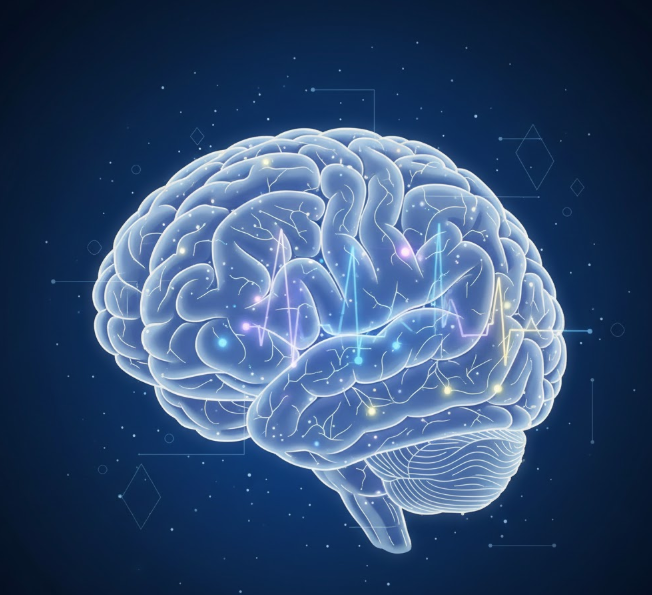
Autism and seizures share a complex relationship that affects many families. Research shows that individuals with autism spectrum disorder (ASD) are significantly more likely to experience seizures than the general population, with rates ranging from 20-30% compared to just 1-2% in neurotypical individuals. This connection stems from shared neurological differences that impact brain development and electrical activity.
Understanding this link helps parents recognize warning signs early and access appropriate treatment. While not every autistic child will develop seizures, knowing what to watch for can make a meaningful difference in care and outcomes.
What Connects Autism and Seizures?
The brain’s electrical activity plays a central role in both autism and epilepsy. In autism, differences in how neurons connect and communicate can create conditions where seizures become more likely. These neurological variations affect how the brain processes information, regulates sensory input, and maintains electrical balance.
Scientists have identified several shared biological factors. Genetic mutations that influence brain development often appear in both conditions. Abnormal brain structure, particularly in areas controlling communication and behavior, increases seizure risk. Some research points to imbalances in neurotransmitters like GABA and glutamate, which help regulate brain activity.
At ABA therapy in Alexandria, VA, we work with families to understand how seizures may affect behavior and learning. Our therapists coordinate with neurologists to create comprehensive support plans that address both autism symptoms and seizure management.
The relationship works both ways. Children diagnosed with epilepsy show higher rates of autism than the general population. This suggests overlapping developmental pathways rather than one condition causing the other.
Key biological connections include:
- Shared genetic variants affecting brain cell migration
- Disrupted excitatory and inhibitory neuron balance
- Abnormal cortical development during early childhood
- Mitochondrial dysfunction affecting cellular energy
- Immune system irregularities influencing brain inflammation
Understanding Seizure Types in Autism
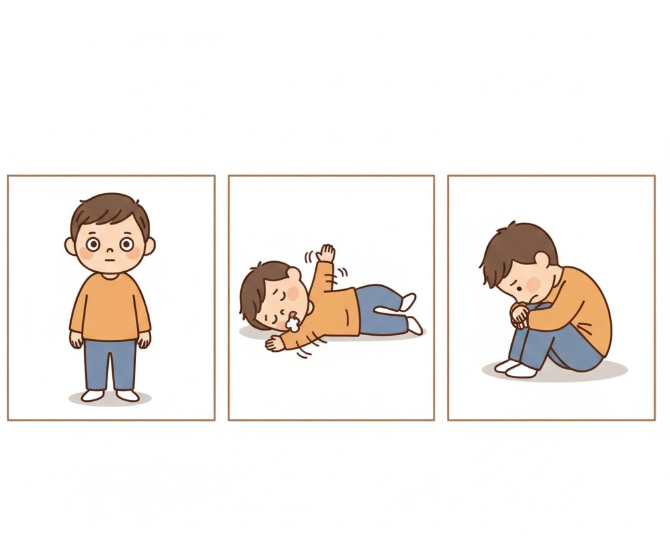
Seizures in autistic individuals can look very different from typical seizure presentations. Some are obvious with convulsions and loss of consciousness, while others appear as brief staring spells or subtle behavioral changes that parents might miss.
Generalized seizures affect the entire brain and include tonic-clonic seizures (formerly called grand mal), where the person loses consciousness and experiences muscle stiffening and jerking. These are the most recognizable type but not the most common in autism.
Focal seizures start in one brain area and may cause specific symptoms like repetitive movements, unusual sensations, or altered awareness. A child might pick at their clothes, smack their lips, or seem confused for a few minutes.
Absence seizures involve brief lapses in awareness, often lasting just seconds. The child might stop mid-sentence, stare blankly, then resume activity without remembering the episode. These “silent seizures” are frequently overlooked because they resemble daydreaming or inattention.
| Seizure Type | What It Looks Like | Duration |
| Tonic-Clonic | Full body stiffening, jerking movements, loss of consciousness | 1-3 minutes |
| Focal Aware | Repetitive movements, odd sensations, remains conscious | 30 seconds – 2 minutes |
| Focal Impaired Awareness | Confused behavior, lip smacking, unresponsive to questions | 1-2 minutes |
| Absence | Blank staring, brief pause in activity, no memory of event | 5-15 seconds |
| Myoclonic | Sudden muscle jerks, usually in arms or legs | Split second |
Recognizing these patterns early allows for faster diagnosis and treatment. If you notice concerning behaviors, ABA therapy in Centreville, VA can help distinguish seizure activity from autism-related behaviors through careful observation and documentation.
Why Seizures Happen More Often in Autism
Several factors explain the higher seizure prevalence in autism. Brain structure differences play a significant role. Studies using MRI scans reveal that autistic individuals often have variations in cortical thickness, white matter connectivity, and hippocampal volume – all areas involved in seizure generation.
Genetic mutations contribute substantially. Conditions like Fragile X syndrome, tuberous sclerosis, and Rett syndrome cause both autism and epilepsy through disrupted brain development. Even without identified genetic syndromes, researchers find increased rates of copy number variations and single gene mutations in people who have both conditions.
Developmental timing matters too. Seizures in autism often emerge during two critical periods: early childhood (ages 2-5) and adolescence. These windows coincide with major brain reorganization phases. Early childhood brings rapid synapse formation and pruning, while adolescence involves significant hormonal changes affecting neural excitability.
The severity of autism symptoms correlates with seizure risk. Individuals with intellectual disability, limited verbal abilities, or more significant developmental challenges face higher rates. This pattern suggests that greater neurological differences create more vulnerability to abnormal electrical activity.
Environmental factors may also play a role. Prenatal exposures, birth complications, and early childhood infections can influence both autism development and seizure susceptibility. However, these environmental contributors interact with genetic predisposition rather than acting alone.
Recognizing Seizures in Autistic Children
Identifying seizures in children with autism presents unique challenges. Many autism behaviors – hand flapping, rocking, staring, or repetitive movements – can resemble seizure activity. Parents and caregivers need clear guidelines to distinguish between typical autism characteristics and potential seizures.
Warning signs that suggest a seizure:
- Sudden loss of awareness or responsiveness
- Unusual movements that start and stop abruptly
- Episodes that look identical each time they occur
- Behaviors followed by confusion, sleepiness, or headache
- Events that interrupt ongoing activities
- Changes in breathing, heart rate, or skin color during episodes
Documenting these events helps tremendously. Keep a seizure diary noting date, time, duration, what happened before the episode, specific behaviors observed, and how the child felt afterward. Video recording suspicious events provides neurologists valuable diagnostic information.
Some autistic children cannot communicate how they feel during or after seizures. They might not report auras (warning sensations) or post-seizure symptoms like headaches or muscle soreness. This makes observation even more critical for early detection.
Certain autism-related conditions increase monitoring importance. Children with regressive autism – where skills are lost after normal development – should be evaluated for seizures. Regression sometimes signals underlying epileptic activity, even without obvious convulsions.

Diagnosis and Testing for Seizures
Getting an accurate diagnosis requires specialized neurological evaluation. The process typically begins with a detailed history of the suspicious episodes. Neurologists ask about frequency, duration, triggers, and patterns to determine if seizures are likely.
Electroencephalogram (EEG) testing measures brain electrical activity through electrodes placed on the scalp. A routine EEG lasts 20-40 minutes and captures brain waves during rest and stimulation. However, brief testing may miss seizures that don’t happen frequently.
Extended EEG monitoring provides more comprehensive data. Options include:
- Ambulatory EEG (24-72 hours) worn at home
- Video EEG monitoring (1-7 days) in hospital settings
- Sleep-deprived EEG to provoke abnormal activity
Brain imaging helps identify structural causes. MRI scans reveal abnormalities like cortical dysplasia, tumors, or scarring that might trigger seizures. CT scans are used less often but can detect calcifications or bleeding.
Blood tests rule out metabolic conditions, infections, or electrolyte imbalances that mimic or cause seizures. Genetic testing may be recommended, especially if the child has developmental delays alongside autism and seizures.
The diagnostic process can feel overwhelming for families already managing autism care. ABA therapy in Fairfax, VA teams collaborate with medical providers to ensure behavioral support continues during medical evaluations and treatment adjustments.
Treatment Options and Management Strategies
Managing seizures in autism requires a personalized approach. Treatment goals include reducing seizure frequency, minimizing medication side effects, and maintaining quality of life. Options range from medications to dietary changes to surgical interventions.
Anti-epileptic drugs (AEDs) form the first line of treatment. Common medications include:
- Levetiracetam (Keppra) – often well-tolerated with fewer cognitive effects
- Valproic acid (Depakote) – effective but requires monitoring
- Lamotrigine (Lamictal) – gradual dosing reduces side effects
- Oxcarbazepine (Trileptal) – alternative to older medications
Medication selection considers autism-specific factors. Some AEDs affect behavior, sleep, or attention – already challenging areas for many autistic individuals. Close monitoring helps identify whether new behavioral changes stem from medications or worsening autism symptoms.
Dietary interventions show promise for some children. The ketogenic diet, high in fats and very low in carbohydrates, reduces seizures in about half of children who try it. Modified Atkins diet offers a less restrictive alternative with similar benefits. These diets require medical supervision and careful nutritional planning.
Vagus nerve stimulation (VNS) involves a device implanted under the skin that sends electrical signals to the brain via the vagus nerve. This option helps when medications don’t control seizures adequately. The device doesn’t eliminate seizures completely but often reduces frequency and severity.
Surgical options exist for seizures originating from a specific brain area. Candidates undergo extensive testing to locate the seizure focus and ensure surgery won’t harm critical functions. Success rates vary, and this option applies to only a small percentage of cases.
| Treatment Type | How It Works | Best For |
| First-line AEDs | Stabilize electrical activity | Most children with new seizure diagnosis |
| Second-line AEDs | Alternative mechanisms when first drugs fail | Drug-resistant seizures |
| Ketogenic Diet | Changes brain metabolism to reduce excitability | Medication-resistant epilepsy |
| VNS Device | Electrical stimulation reduces seizure frequency | Multiple medication failures |
| Epilepsy Surgery | Removes or disconnects seizure-generating tissue | Focal seizures from identifiable source |
Families should understand that finding the right treatment often takes time. About 70% of people achieve good seizure control with the first or second medication tried, but the remaining 30% need more complex approaches.
Supporting Children with Both Conditions
Living with autism and seizures creates unique daily challenges. Parents must balance seizure safety with encouraging independence and development. Small adjustments to routines and environments can make significant differences.
Safety modifications include:
- Padding sharp furniture corners and hard surfaces
- Using safety gates on stairs
- Supervising bath time closely
- Avoiding activities near water without adult supervision
- Wearing helmets if fall risk is high
- Creating a seizure action plan for school and caregivers
Sleep plays a crucial role in seizure management. Poor sleep increases seizure frequency, yet many autistic children struggle with sleep issues. Consistent bedtime routines, reducing screen time before bed, and addressing sensory sensitivities in the bedroom environment all contribute to better sleep quality.
School accommodations support learning despite seizure risks. Individualized Education Programs (IEPs) should address seizure protocols, medication administration, recovery time needs after episodes, and any learning impacts. Communication between medical providers, therapists, and educators ensures coordinated support.
Behavioral therapy helps children develop coping skills and safety awareness. While some children cannot fully understand their condition, age-appropriate education builds cooperation with treatment. Therapy also addresses anxiety or frustration related to activity restrictions or medication side effects.
Understanding how autism sensory rooms can provide calming spaces may help reduce stress-related seizure triggers. Sensory regulation strategies benefit both autism symptoms and overall neurological stability.

The Impact of Seizures on Development and Learning
Seizures affect more than just the moments they occur. Frequent seizures or ongoing abnormal brain activity can impact cognitive development, memory formation, and skill acquisition. Understanding these effects helps families set realistic expectations and advocate for appropriate support.
Cognitive effects vary based on:
- Seizure frequency and severity
- Age when seizures begin
- Brain areas affected
- Medication side effects
- Underlying neurological conditions
Some children experience regression after seizure onset. Skills previously mastered – language, self-care, social interaction – may decline. This pattern differs from regressive autism because improvement often follows seizure control.
Memory challenges affect learning. Information processed during or around seizure times may not be retained. Children might struggle more with sequential learning, following multi-step directions, or remembering recently taught concepts.
Attention and processing speed often suffer. Even absence seizures lasting only seconds disrupt focus. Over weeks and months, these brief interruptions accumulate, affecting academic progress. Teachers may misinterpret these as behavioral issues rather than recognizing neurological causes.
Medication side effects sometimes create additional learning barriers. Common issues include drowsiness, slower thinking, word-finding difficulties, or mood changes. Working with neurologists to find effective medications with minimal cognitive impact is essential.
Behavioral changes may emerge. Some children become more irritable, anxious, or withdrawn after seizure diagnosis. These changes might reflect medication effects, fear about seizures, or frustration with new limitations. Distinguishing between autism-related behaviors and seizure-related changes requires careful observation.
Early intervention makes a difference. ABA therapy in Woodbridge, VA programs adapt teaching strategies to accommodate seizure-related learning challenges while building on the child’s strengths.
Research and Future Directions
Scientific understanding of autism and seizures continues evolving. Recent research explores genetic connections, brain imaging patterns, and novel treatment approaches. These advances offer hope for better prevention, diagnosis, and management.
Current research focuses on:
Biomarkers that predict which autistic children will develop seizures. Identifying high-risk individuals early could enable preventive interventions. Studies examine specific EEG patterns, genetic markers, and developmental profiles associated with later seizure onset.
Precision medicine approaches tailor treatments to individual genetic profiles. Rather than trial-and-error medication selection, genetic testing might eventually guide which AEDs will work best for specific patients. This personalized strategy could reduce time to seizure control and minimize unnecessary medication exposure.
Understanding silent seizures or subclinical epileptic activity. Some children show abnormal EEG patterns without obvious seizures. Research investigates whether this “subclinical” activity affects cognition and whether treating it improves outcomes.
New medication development targets specific mechanisms relevant to autism-related seizures. Drugs that modulate specific neurotransmitter systems or ion channels might prove more effective with fewer side effects than current options.
Brain stimulation techniques beyond VNS are being studied. Responsive neurostimulation (RNS) detects seizure onset and delivers targeted electrical pulses to stop them. While currently used mainly in adults, research explores applications for children with autism and epilepsy.
The connection between gut health, autism, and seizures intrigues researchers. The gut-brain axis – communication between intestinal bacteria and the nervous system – may influence both conditions. Studies examine whether probiotics or dietary modifications beyond ketogenic approaches might help.
Things to Know About Managing Both Conditions
Living with autism and seizures requires ongoing attention and adaptation. These practical insights help families navigate daily challenges while maintaining hope and normalcy.
Medication compliance matters tremendously. Missing doses increases seizure risk, yet many autistic children resist taking pills or liquids. Creative strategies include:
- Using pill crushers or liquid formulations when possible
- Associating medication time with preferred activities
- Visual schedules showing medication as part of daily routine
- Working with pharmacists to find palatable formulations
- Gradually introducing medication acceptance through behavioral shaping
Trigger identification helps prevent seizures. Common triggers include:
- Sleep deprivation or disrupted sleep schedules
- Illness, particularly with fever
- Stress or overwhelming situations
- Flashing lights or specific visual patterns
- Missing medications
- Hormonal changes during puberty
Keeping detailed records reveals individual trigger patterns. Once identified, triggers can often be minimized or avoided.
Emergency preparedness provides peace of mind. Families should:
- Know when to call 911 (seizures lasting over 5 minutes, multiple seizures without recovery, first-time seizure, or seizure in water)
- Teach family members and caregivers seizure first aid
- Carry rescue medications if prescribed
- Wear medical alert identification
- Keep updated medical information accessible
- Have an emergency plan for school and community settings
Communication with the medical team remains essential. Regular neurology appointments monitor seizure control and medication effectiveness. Between visits, contact providers about:
- New seizure types or changing patterns
- Concerning side effects
- Developmental regression or learning difficulties
- Medication questions or concerns
Many autistic individuals cannot accurately report how they feel, making parent observations crucial for medical decision-making.
Understanding connections between various aspects of autism helps with comprehensive care. Learning about topics like theory of mind in autism or nonverbal autism provides broader context for how seizures might affect development and communication.

Wrapping Up: Moving Forward with Knowledge and Support
Understanding the connection between autism and seizures empowers families to recognize warning signs, seek appropriate treatment, and provide comprehensive support. While this dual diagnosis presents challenges, many children thrive with proper medical care, behavioral therapy, and family understanding.
The relationship between these conditions continues revealing itself through ongoing research. Genetic discoveries, improved imaging techniques, and novel treatments offer hope for better outcomes. Meanwhile, families can focus on what works now: consistent medical follow-up, safety planning, educational support, and celebrating their child’s unique strengths.
At Dream Bigger ABA, we recognize that autism looks different when seizures are part of the picture. Our therapy programs adapt to each child’s neurological profile, working alongside medical providers to support development, safety, and quality of life. With the right team and resources, children with autism and seizures can reach their full potential.
Frequently Asked Questions
Why are seizures more common in autism?
Seizures occur more frequently in autism due to shared genetic and neurological factors affecting brain development and electrical activity. The same brain differences that create autism symptoms also increase vulnerability to abnormal electrical discharges. Genetic mutations, altered brain connectivity, and neurotransmitter imbalances contribute to both conditions. Children with more severe autism or intellectual disability face higher seizure risk because more significant neurological differences increase susceptibility.
What do seizures look like in autism?
Seizures in autism can appear as obvious convulsions or subtle changes like brief staring spells and repetitive movements. Generalized tonic-clonic seizures involve loss of consciousness with muscle stiffening and jerking. Focal seizures might cause lip smacking, hand movements, or confusion. Absence seizures look like brief pauses in activity or blank staring. Because many autism behaviors resemble seizures, video documentation and EEG testing help distinguish between the two.
What are silent seizures in autism?
Silent seizures, also called absence seizures, involve brief lapses in awareness lasting 5-15 seconds without obvious physical symptoms. The child might stop talking mid-sentence, stare blankly, or appear to daydream before resuming normal activity with no memory of the episode. These seizures are easily missed because they look like inattention or typical autism behaviors. They can occur many times daily, disrupting learning even though they seem minor.
What is the prevalence of autism in epilepsy?
Approximately 20-30% of individuals with autism develop epilepsy, compared to 1-2% in the general population. The rate increases with autism severity – up to 40% of those with significant intellectual disability experience seizures. Conversely, about 15-30% of people with epilepsy show autism traits. This bidirectional relationship suggests overlapping biological pathways rather than one condition causing the other.
What is 90% of autism caused by?
Current research does not support a single cause for 90% of autism cases. Autism results from complex interactions between multiple genetic variations and environmental factors. Hundreds of genes contribute to autism risk, each with small effects. Prenatal factors, birth complications, and early development also play roles. Most autism occurs from the combination of many subtle genetic and environmental influences rather than one primary cause.