Is misophonia autism? No, misophonia is not autism, though many people with autism experience misophonia. These are two distinct conditions that can occur together but have different underlying causes and characteristics. Understanding the connection between them helps families recognize when sound sensitivity needs specialized support.
Misophonia involves intense emotional reactions to specific sounds, while autism is a broader developmental condition affecting communication, behavior, and sensory processing. Many autistic individuals struggle with certain noises, but not everyone with sound sensitivity has autism. Let’s explore how these conditions relate, what causes them, and when professional guidance matters most.
What Is Misophonia?
Misophonia literally means “hatred of sound.” People with this condition experience powerful negative emotions when hearing certain trigger sounds. These reactions go far beyond normal annoyance. Common triggers include chewing, breathing, clicking pens, or tapping fingers.
The response isn’t about the volume. A whisper can cause more distress than a loud noise. The brain processes these specific sounds as threats, triggering fight-or-flight responses. Physical symptoms might include increased heart rate, sweating, muscle tension, or the urge to escape.
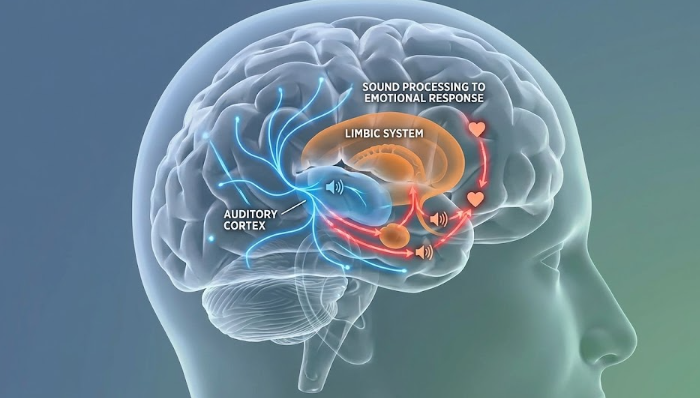
Research suggests misophonia involves how the brain’s auditory and emotional centers communicate. It typically emerges during childhood or adolescence and often continues throughout life. The severity varies widely between individuals.
At Dream Bigger ABA, we recognize that sensory sensitivities like misophonia significantly impact daily functioning. Our evidence-based approach helps families develop practical strategies for managing overwhelming sensory experiences.
What Is Autism Spectrum Disorder?
Autism spectrum disorder (ASD) is a developmental condition affecting how people communicate, interact, and process information. It exists on a spectrum, meaning individuals experience vastly different strengths and challenges. Some may have exceptional memory or pattern recognition, while others struggle with social communication or sensory input.
Autism involves differences in brain development that appear early in life. These differences affect multiple areas including social interaction, communication patterns, repetitive behaviors, and sensory processing. The spectrum ranges from individuals who need substantial support to those who function independently but think differently.
Sensory issues represent a core feature of autism. Many autistic people experience heightened or reduced sensitivity to sounds, lights, textures, tastes, or smells. This sensitivity can make everyday environments feel overwhelming or uncomfortable.
Understanding autism requires recognizing it as a neurological variation rather than a deficiency. With appropriate support from programs like Dream Bigger ABA, individuals with autism develop skills that help them navigate a world not always designed for their processing style.
How Misophonia and Autism Connect
Is misophonia autism? The answer remains no, but they frequently appear together. Studies show that autistic individuals experience misophonia at higher rates than the general population. Both conditions involve atypical sensory processing, which explains their connection.
For autistic people, misophonia often stems from broader sensory processing differences. Their nervous systems may process sounds more intensely or struggle filtering background noise from important information. This makes specific sounds feel physically painful or emotionally unbearable.
Here’s how they compare:
| Aspect | Misophonia | Autism |
| Primary Feature | Extreme reactions to specific sounds | Broad developmental differences affecting communication, behavior, and sensory processing |
| Trigger Type | Sound-specific (chewing, breathing, tapping) | Multiple sensory inputs (sounds, lights, textures, smells) |
| Age of Onset | Usually childhood or adolescence | Present from early development |
| Social Impact | Difficulty in situations with trigger sounds | Challenges with social communication and interaction patterns |
| Treatment Focus | Coping strategies for sound triggers | Comprehensive support addressing communication, behavior, and sensory needs |
The overlap creates unique challenges. An autistic person with misophonia faces both general sensory sensitivities and specific sound triggers. This combination requires comprehensive support addressing both conditions simultaneously.
Why Do Some Autistic People Have Misophonia?
Autistic brains process sensory information differently. This affects how sounds are perceived, filtered, and emotionally interpreted. Several factors explain why misophonia appears more frequently in autism:
Sensory Processing Differences: Autistic individuals often experience sensory input more intensely. Sounds that others barely notice can feel overwhelming. This heightened sensitivity creates conditions where misophonia develops more easily.
Difficulty Filtering Information: The autistic brain may struggle separating important sounds from background noise. When all sounds receive equal attention, specific noises become harder to ignore, potentially triggering misophonic responses.
Pattern Recognition: Many autistic people excel at noticing patterns and details. This strength can become a challenge when applied to repetitive or predictable sounds. The brain fixates on these patterns, amplifying emotional reactions.
Anxiety and Stress: Autism often involves higher baseline anxiety levels. When already managing stress from social situations or environmental changes, additional sensory triggers feel more intense. Misophonia symptoms may worsen during periods of increased anxiety.
Understanding these connections helps families recognize when sound sensitivity needs attention. If you notice your child experiencing extreme distress from specific sounds, exploring ABA therapy in Centreville, VA can provide structured support for managing sensory challenges.
Common Misophonia Triggers in Autism
People with autism who also experience misophonia typically react strongly to sounds others find minor or unnoticeable. These triggers often involve repetitive human-generated noises that feel intrusive or unpredictable.
Common trigger categories include:
- Eating Sounds: Chewing, slurping, swallowing, crunching, or lip smacking
- Breathing Patterns: Heavy breathing, sniffling, throat clearing, or snoring
- Repetitive Actions: Pen clicking, keyboard typing, foot tapping, or finger drumming
- Environmental Noises: Clock ticking, dripping water, humming appliances, or fluorescent light buzzing
- Voice Characteristics: Specific speech patterns, vocal fry, or certain consonant sounds
The intensity of reactions varies. Some people feel mild irritation, while others experience rage, panic, or overwhelming distress. Physical responses might include increased heart rate, sweating, muscle tension, or the desperate need to escape.
Triggers often feel unpredictable to family members. A sound that causes no reaction one day might trigger intense distress another day. Context matters too. The same sound may feel manageable at home but unbearable in public spaces.
Recognizing these patterns helps families create supportive environments. Professional guidance from Dream Bigger ABA teaches practical strategies for managing trigger situations while building emotional regulation skills.
Key Differences Between Misophonia and Autism
Understanding that is misophonia autism requires recognizing their distinct characteristics. While they frequently co-occur, they remain separate conditions requiring different approaches.
Diagnostic Criteria: Autism has established diagnostic criteria in the DSM-5, involving persistent differences in social communication and restricted, repetitive behaviors. Misophonia lacks formal diagnostic criteria and is often identified through self-report and clinical observation.
Scope of Impact: Autism affects multiple life areas including social relationships, communication patterns, learning styles, and sensory processing across all senses. Misophonia specifically involves emotional responses to sounds, though it significantly impacts daily functioning.
Treatment Approaches: Autism support involves comprehensive interventions addressing communication, social skills, behavior management, and sensory integration. Misophonia treatment focuses on sound-specific coping strategies, exposure therapy, and emotional regulation techniques.
Developmental Timeline: Autism symptoms appear early in development, typically before age three. Parents often notice differences in eye contact, social engagement, or communication during infancy or toddlerhood. Misophonia usually emerges later, often during middle childhood or adolescence.
Neurological Basis: Autism involves widespread differences in brain structure and connectivity affecting multiple systems. Misophonia appears to involve specific connections between auditory processing centers and emotional response systems, particularly the limbic system.
These differences matter for families seeking support. Understanding whether challenges stem primarily from autism, misophonia, or both helps professionals design effective intervention strategies.
When to Seek Professional Help
Sound sensitivity deserves professional attention when it significantly disrupts daily life. Warning signs include avoiding social situations due to trigger sounds, experiencing panic attacks or rage reactions, difficulty concentrating in normal environments, or family relationships suffering from sound-related conflicts.
For children showing extreme distress around certain sounds, early intervention makes a substantial difference. Professional assessment can determine whether symptoms reflect autism, misophonia, or both conditions. This clarity guides appropriate support strategies.
Signs warranting evaluation include:
- Refusing to eat meals with family due to eating sounds
- Becoming violent or aggressive when hearing trigger sounds
- Missing school or work because of sound sensitivity
- Experiencing depression or anxiety related to sound triggers
- Family members modifying behavior significantly to avoid triggering reactions
Comprehensive assessment examines sensory processing patterns, emotional regulation, social communication, and behavioral responses. This evaluation helps professionals distinguish between autism-related sensory issues and standalone misophonia.
Treatment approaches vary based on diagnosis. For autism with sensory sensitivities, comprehensive ABA therapy addresses multiple developmental areas while incorporating sensory strategies. For misophonia specifically, sound therapy, cognitive-behavioral techniques, and environmental modifications prove helpful.
Families seeking support can explore resources like understanding autism diagnosis and autism levels to better understand their child’s needs.
Managing Sound Sensitivity in Daily Life
Whether someone has autism, misophonia, or both, practical strategies make daily life more manageable. Creating supportive environments reduces stress while building coping skills improves long-term functioning.
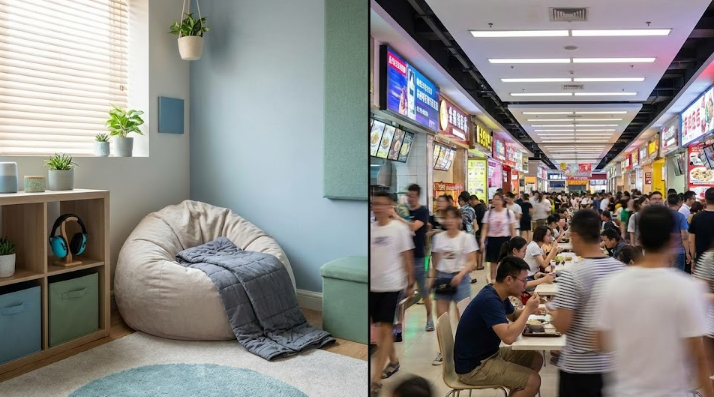
Environmental Modifications: Identify trigger situations and adjust surroundings when possible. This might include eating meals in separate areas, using white noise machines to mask triggers, or choosing seating away from known sound sources in public spaces.
Communication Tools: Help family members understand the condition isn’t about being difficult or oversensitive. Explain that reactions are involuntary and genuinely distressing. Develop signals for communicating distress without escalating situations.
Sensory Tools: Noise-canceling headphones, earplugs, or listening to preferred music can help manage unavoidable trigger situations. Having these tools readily available provides control and reduces anxiety about encountering triggers.
Coping Strategies: Teach deep breathing exercises, progressive muscle relaxation, or grounding techniques for managing emotional responses. These skills help regulate reactions when avoidance isn’t possible.
Gradual Exposure: Working with professionals, some individuals benefit from carefully controlled exposure to trigger sounds at low volumes, gradually building tolerance. This requires expert guidance to avoid increasing sensitivity.
Professional programs like those offered through ABA therapy in Leesburg, VA provide structured support for developing these skills. Therapists work with families to create individualized strategies addressing specific triggers and situations.
The Role of ABA Therapy in Sensory Management
Applied Behavior Analysis (ABA) therapy offers evidence-based approaches for managing sensory challenges, including sound sensitivity. While ABA doesn’t cure misophonia or autism, it teaches practical skills for navigating sensory difficulties.
ABA therapists assess individual sensory profiles, identifying specific triggers and reaction patterns. This assessment guides personalized intervention plans targeting emotional regulation, coping strategies, and adaptive behaviors.
Key components include:
- Desensitization Protocols: Gradual, controlled exposure to challenging sensory experiences at manageable intensity levels
- Replacement Behaviors: Teaching alternative responses to replace problematic reactions to trigger sounds
- Self-Advocacy Skills: Helping individuals communicate needs and request accommodations appropriately
- Emotional Regulation: Building skills for recognizing and managing intense emotional responses
- Environmental Analysis: Identifying patterns in when and where triggers cause the most difficulty
The approach emphasizes functional outcomes. Rather than eliminating all triggers, therapy focuses on building independence and improving quality of life despite sensory challenges.
Families working with Dream Bigger ABA receive comprehensive support addressing sensory sensitivities alongside other autism-related needs. This integrated approach recognizes that sensory issues don’t exist in isolation but interact with communication, social skills, and behavioral patterns.
What This Means for Families
Understanding that is misophonia autism helps families seek appropriate support. Whether your child has autism, misophonia, or both, recognizing the differences ensures they receive targeted interventions addressing their specific needs.
Sound sensitivity significantly impacts family dynamics. Mealtimes become stressful, outings feel impossible, and siblings may struggle understanding why certain sounds cause such extreme reactions. Professional support benefits the entire family system, not just the individual with sensory challenges.
Early recognition and intervention improve outcomes. Children who learn coping strategies early develop better emotional regulation and experience less anxiety around trigger situations. They also build self-advocacy skills, learning to communicate needs without shame or embarrassment.
Remember that progress isn’t linear. Sound sensitivity may improve with intervention, worsen during stressful periods, or remain relatively stable. The goal isn’t perfection but building skills that allow participation in meaningful activities despite challenges.
For families navigating autism and sensory sensitivities, resources like understanding autism in families and autism characteristics provide valuable context for the broader picture.
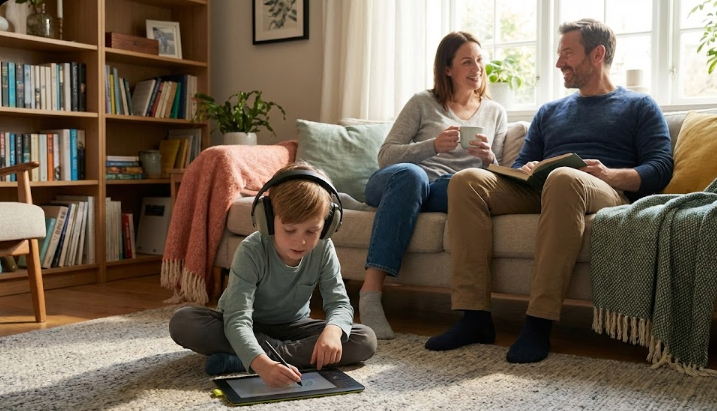
Wrapping Up: Sound Sensitivity Deserves Understanding
So, is misophonia autism? No, but they frequently appear together, creating unique challenges for individuals and families. Misophonia involves specific sound triggers causing intense emotional reactions, while autism represents broader developmental differences affecting multiple areas including sensory processing.
Understanding these distinctions matters because it guides appropriate support. Whether someone experiences autism with sensory sensitivities, standalone misophonia, or both conditions simultaneously, targeted interventions make daily life more manageable and less distressing.
At Dream Bigger ABA, we believe every individual deserves support that honors their unique sensory experiences. Through comprehensive assessment, personalized intervention, and family collaboration, we help children and adults develop skills for navigating a world full of sensory challenges. Sound sensitivity doesn’t have to limit potential or prevent meaningful participation in life’s important moments.
Frequently Asked Questions
Can I have misophonia and not have autism?
Yes, absolutely. Misophonia occurs independently in many people who don’t have autism. While the conditions overlap frequently, plenty of individuals experience sound sensitivity without any autism characteristics. Misophonia can develop in anyone, regardless of whether they’re neurodivergent. The condition involves specific brain connections between auditory processing and emotional responses that can exist without broader developmental differences. If you experience intense reactions to certain sounds but don’t identify with other autism traits, you likely have standalone misophonia requiring its own management strategies.
Is misophonia a form of neurodiversity?
Yes, many consider misophonia part of neurodiversity. Neurodiversity recognizes that brains process information differently, with no single “correct” way of experiencing the world. Misophonia represents a variation in how the brain processes and responds to auditory input. This perspective emphasizes that people with misophonia aren’t broken or defective but experience sound differently. Understanding misophonia through a neurodiversity lens reduces stigma and encourages acceptance. It also shifts focus from trying to eliminate the condition toward developing strategies that honor different sensory experiences while building functional skills.
What is the 6 second rule for autism?
The 6 second rule suggests waiting six seconds after asking a question before expecting a response. Autistic individuals often need extra processing time to formulate answers. This pause allows them to organize thoughts, find appropriate words, and construct responses without feeling rushed. Many autistic people report that pressure to answer quickly causes anxiety and makes communication harder. Implementing this rule in conversations, classrooms, or therapy sessions demonstrates respect for different processing speeds. It creates space for meaningful communication rather than forcing quick responses that may not accurately reflect someone’s thoughts or understanding.
How to spot autism in adults?
Look for persistent patterns in social communication, sensory sensitivities, and repetitive behaviors. Adults with undiagnosed autism may struggle with maintaining friendships, interpreting social cues, or understanding unwritten social rules. They might prefer routines, experience distress when plans change, or have intense focused interests. Sensory sensitivities to sounds, lights, textures, or crowds are common. Many adults develop masking behaviors, hiding autistic traits to fit in, which makes recognition harder. If these patterns have existed since childhood and significantly impact daily functioning, professional evaluation can provide clarity. Resources like adult autism diagnosis offer guidance for seeking assessment.
How do I tell if I’m slightly autistic?
Consider whether you experience persistent differences in social communication, sensory processing, or thinking patterns that have existed since childhood. “Slightly autistic” typically refers to what professionals now call Level 1 autism, where individuals function independently but face consistent challenges. You might find social situations exhausting, prefer predictable routines, have specific interests you pursue intensely, or notice sensory sensitivities others don’t share. Many adults realize they’re autistic after learning about the condition through family members or friends. Online resources like autism quizzes provide preliminary insight, though professional evaluation remains the only way to receive an official diagnosis. Understanding your neurotype can provide valuable self-awareness regardless of formal diagnosis.