Stem cell therapy for autism is an emerging treatment that introduces healthy stem cells into the body to potentially repair or replace damaged cells affecting brain function and behavior. While research shows some children experience improvements in communication and social skills, this therapy remains experimental with varying success rates and no FDA approval for autism treatment in the United States.
Parents exploring treatment options for their children often encounter stem cell therapy as a promising but controversial choice. Understanding what this therapy involves, how it works, and what realistic outcomes look like can help families make informed decisions about their child’s care.
What Is Stem Cell Therapy for Autism?
Stem cell therapy involves introducing stem cells into the body with the goal of repairing or regenerating damaged tissue. In the context of autism, the theory suggests that stem cells might help reduce inflammation in the brain, improve blood flow, or repair neural connections that affect behavior and development.
Stem cells are unique because they can develop into many different cell types. Doctors harvest these cells from sources like bone marrow, umbilical cord blood, or adipose tissue, then process and reintroduce them into the patient’s body.
How Stem Cell Therapy Claims to Work for Autism
The proposed mechanism behind stem cell therapy for autism focuses on several pathways:
- Reducing neuroinflammation: Some research suggests inflammation in the brain contributes to autism symptoms. Stem cells may release anti-inflammatory signals.
- Improving neural connectivity: Stem cells might help form new connections between brain cells or strengthen existing ones.
- Enhancing blood flow: Better circulation to the brain could support overall neurological function.
- Repairing damaged tissue: Stem cells may replace or repair cells that aren’t functioning properly.
It’s important to note that these mechanisms remain theoretical for autism treatment. The scientific community continues to study whether these effects actually occur and lead to meaningful improvements in autism symptoms.
At Dream Bigger ABA, we believe in evidence-based interventions. While exploring all options is natural, families should understand both the potential and the limitations of experimental treatments.
Types of Stem Cells Used in Autism Treatment
Different stem cell sources are used in autism therapy, each with distinct characteristics:
| Stem Cell Type | Source | Common Use in Autism Treatment |
| Mesenchymal Stem Cells (MSCs) | Bone marrow, umbilical cord, adipose tissue | Most commonly used; thought to reduce inflammation |
| Hematopoietic Stem Cells | Bone marrow, cord blood | Less common; focus on immune system regulation |
| Neural Stem Cells | Brain tissue (rarely used) | Experimental; direct brain cell replacement |
| Induced Pluripotent Stem Cells (iPSCs) | Reprogrammed adult cells | Research phase only; not yet used in treatment |
Mesenchymal stem cells from umbilical cord tissue are the most frequently used in autism treatment protocols. Clinics often promote these as safe and effective, though scientific consensus on their effectiveness for autism remains limited.
The Current Research on Stem Cell Therapy for Autism
Scientific studies on stem cell therapy for autism show mixed results. While some research reports improvements in behavior and communication, many studies have significant limitations that make it difficult to draw firm conclusions.
What Studies Show About Effectiveness
Several small studies have examined stem cell therapy outcomes in children with autism:
- A 2018 study published in Stem Cells Translational Medicine found that children receiving cord blood infusions showed some improvements in social communication skills compared to a placebo group.
- Research from Duke University tracked children who received their own cord blood and reported modest improvements in some participants, particularly those with higher baseline abilities.
- International studies, particularly from countries with less regulatory oversight, often report higher success rates but lack rigorous scientific controls.
The challenge with current research is that sample sizes are small, follow-up periods are short, and many studies lack proper control groups. Without large, well-designed clinical trials, it’s difficult to separate actual treatment effects from natural developmental progress or placebo effects.
Success Rates and What They Actually Mean
When clinics discuss success rates for stem cell therapy for autism, the numbers vary widely—from 30% to 70% showing “improvement.” However, these figures require context:
What counts as success varies significantly:
- Some clinics measure improvement through parent questionnaires, which can be subjective
- Others use standardized autism assessments, which are more reliable but still show modest changes
- Improvements might include better eye contact, reduced tantrums, or improved sleep—not necessarily core autism symptom resolution
Factors affecting reported success rates:
- Selection bias (only certain children are accepted for treatment)
- Concurrent therapies (children often receive ABA therapy or other interventions simultaneously)
- Natural developmental progress (young children naturally develop new skills over time)
- Placebo effect (believing a treatment will work can lead to perceived improvements)
For families considering this option, understanding that “improvement” rarely means a cure is essential. Most reported benefits are incremental and affect specific symptoms rather than fundamentally changing the autism diagnosis.
Why the Scientific Community Remains Cautious
Major medical organizations and autism research groups urge caution regarding stem cell therapy for several reasons:
- Lack of FDA approval: No stem cell therapy has been approved by the FDA for autism treatment in the United States
- Limited long-term safety data: We don’t know the potential long-term effects of these treatments
- Absence of standardized protocols: Different clinics use different cell types, doses, and administration methods
- Risk of exploitation: Desperate families may be vulnerable to unproven and expensive treatments
The American Academy of Pediatrics and Autism Speaks both emphasize that while stem cell research holds promise, current clinical applications for autism remain experimental and should be approached with careful consideration.
If you’re exploring treatment options, proven interventions like ABA therapy in Reston, VA offer evidence-based support with documented effectiveness for improving communication, social skills, and adaptive behaviors.
Understanding the Treatment Process
Stem cell therapy for autism typically involves several stages, from initial consultation through post-treatment monitoring. The process varies depending on the clinic and the type of stem cells used.
Pre-Treatment Evaluation
Before treatment begins, clinics conduct assessments to determine if a child is a suitable candidate:
- Medical history review: Doctors examine the child’s diagnosis, previous treatments, and overall health
- Baseline assessments: Standardized tests measure current autism symptoms, communication abilities, and behavioral challenges
- Physical examination: General health screening ensures the child can safely undergo the procedure
- Parent consultation: Families discuss expectations, potential outcomes, and treatment costs
Some clinics have strict inclusion criteria, while others accept a broader range of candidates. This variability makes it difficult to compare outcomes across different treatment centers.
The Actual Treatment Procedure
The stem cell administration process depends on the cell source and delivery method:
For umbilical cord-derived stem cells:
- Cells are thawed and prepared in a laboratory
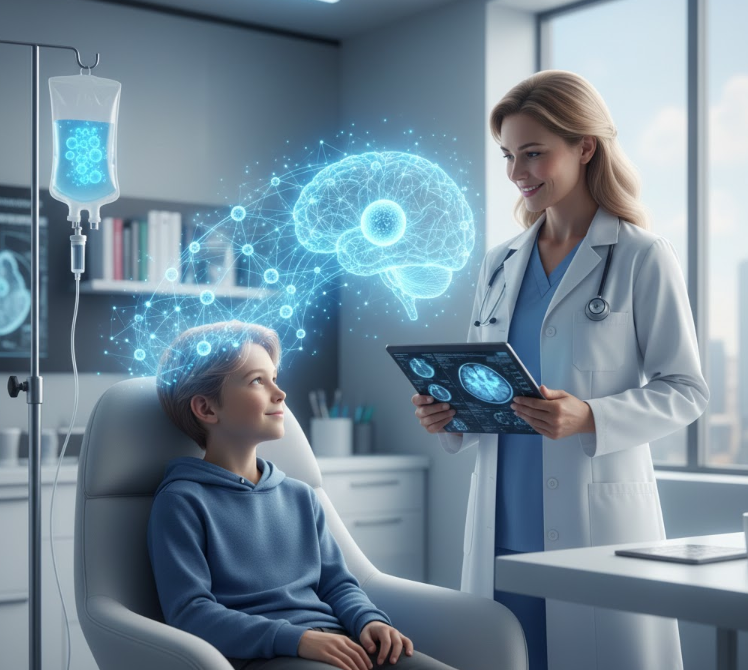
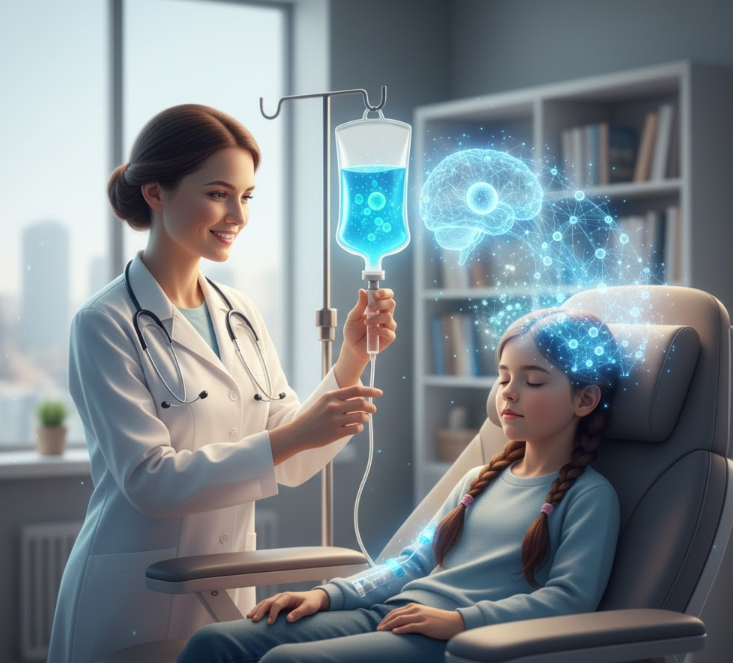
- Administration occurs through intravenous (IV) infusion over several hours
- Some protocols include multiple infusions over days or weeks
- The child is monitored during and immediately after infusion
For bone marrow-derived stem cells:
- Cells are harvested from the child (autologous) or a donor (allogeneic)
- Processing and preparation take several hours to days
- Reinfusion occurs through IV or direct injection
- Recovery time varies based on the harvest method
Most procedures are outpatient, though some international clinics require multi-day stays. The actual infusion is typically painless, though some children experience mild discomfort or fatigue afterward.
Post-Treatment Monitoring and Follow-Up
After stem cell therapy, clinics implement various follow-up protocols:
| Timeline | Monitoring Activities |
| First 24-48 hours | Watch for immediate adverse reactions (fever, allergic response) |
| First month | Weekly check-ins, parent observation logs |
| 3-6 months | Formal reassessment using standardized autism measures |
| 6-12 months | Long-term outcome evaluation, additional treatment consideration |
Families are usually asked to continue existing therapies during this period, making it challenging to attribute changes specifically to stem cell treatment versus ongoing interventions.
Practical Considerations for Families
Beyond medical questions, families must consider practical aspects like cost, travel requirements, and how stem cell therapy fits into a comprehensive treatment plan.
Cost and Insurance Coverage
Stem cell therapy for autism represents a significant financial investment:
- Domestic clinics: $5,000 to $30,000 per treatment cycle
- International clinics: $10,000 to $50,000, plus travel expenses
- Multiple treatments: Some protocols recommend 2-3 rounds, multiplying costs
Insurance typically does not cover stem cell therapy for autism because it remains experimental. Families pay out-of-pocket, often exhausting savings or taking on debt to pursue treatment.
Hidden costs include:
- Travel and accommodation for families going to international clinics
- Time away from work
- Continuing other therapies during and after treatment
- Potential follow-up treatments if initial results seem promising
Where Treatment Is Available
Stem cell therapy for autism is offered in various countries with different regulatory environments:
United States:
- Limited availability through clinical trials
- Some clinics operate in regulatory gray areas
- FDA has issued warnings about unapproved stem cell treatments
International locations:
- Mexico, Panama, and Caribbean countries (closer to the U.S.)
- China, India, and Thailand (more established medical tourism destinations)
- European countries with varying regulatory standards
Families should thoroughly research any clinic’s credentials, safety record, and transparency about outcomes before committing to treatment.
Integrating Stem Cell Therapy with Other Interventions
Most experts agree that if families pursue stem cell therapy, it should complement, not replace, proven interventions:
- Continue behavioral therapies like those offered at Dream Bigger ABA
- Maintain speech and occupational therapy schedules
- Keep educational supports in place
- Don’t discontinue medications without medical supervision
Children with autism benefit most from comprehensive, consistent support across multiple domains. Experimental treatments should be additions to evidence-based care, not substitutes for it.
Risks and Safety Concerns
While stem cell therapy is often marketed as safe and natural, it carries genuine risks that families must understand before proceeding.
Documented Side Effects and Complications
Reported complications from stem cell therapy for autism include:
- Immediate reactions: Fever, headache, fatigue, nausea
- Infection risk: Any procedure involving injections or IV administration carries infection potential
- Immune reactions: The body may reject foreign stem cells, causing inflammation
- Tumor formation: Theoretical risk if stem cells grow uncontrollably (rare but serious)
- No improvement: The most common “side effect” is spending significant money with no benefit
The FDA has documented cases of serious complications from unregulated stem cell clinics, including infections requiring hospitalization and patients going blind after stem cell injections for other conditions.
What We Don’t Know About Long-Term Effects
The long-term safety profile of stem cell therapy for autism remains unclear:
- Will stem cells continue affecting the body years after treatment?
- Could there be delayed immune system effects?
- Do repeated treatments increase risk?
- Are certain children more vulnerable to complications?
These unknowns make the risk-benefit calculation particularly challenging for parents. The absence of evidence isn’t evidence of safety—it simply means we lack sufficient data.
Red Flags to Watch for in Clinics
Families should be wary of clinics that:
- Guarantee results or promise a cure
- Discourage continuing proven therapies
- Lack transparent information about their methods and outcomes
- Use patient testimonials as primary evidence
- Operate without proper medical oversight or credentials
- Pressure families to decide quickly
- Offer stem cell therapy for numerous unrelated conditions
Reputable medical providers acknowledge uncertainty, provide balanced information, and respect families’ decisions to seek second opinions or decline treatment.
Evidence-Based Alternatives to Consider
While exploring all options is understandable, families should be aware of proven interventions that effectively support children with autism.
Why ABA Therapy Remains the Gold Standard
Applied Behavior Analysis (ABA) therapy is the most extensively researched and validated intervention for autism. Decades of studies demonstrate its effectiveness in:
- Improving communication skills
- Reducing challenging behaviors
- Building social interaction abilities
- Developing daily living skills
- Supporting school readiness
Unlike experimental treatments, ABA therapy has:
- Clear, measurable goals
- Evidence-based techniques
- Insurance coverage in most states
- Trained, certified professionals
- Established safety record
At Dream Bigger ABA, we’ve seen countless children make meaningful progress through personalized ABA programs. This progress happens through consistent, evidence-based intervention rather than hoping for a dramatic breakthrough.
Complementary Therapies with Proven Benefits
Beyond ABA therapy, several other interventions have solid research support:
- Speech-language therapy: Directly addresses communication challenges
- Occupational therapy: Helps with sensory issues and daily living skills
- Social skills groups: Provides structured peer interaction opportunities
- Educational supports: Specialized instruction and accommodations
These interventions work together to address the multiple areas where children with autism need support. They’re not as dramatic or quick as stem cell therapy promises to be, but they produce real, documented improvements.
Building a Comprehensive Treatment Plan
The most effective approach to autism support involves:
- Core behavioral intervention: ABA therapy as the foundation
- Targeted skill development: Speech and occupational therapy as needed
- Educational support: Appropriate school placement and services
- Family involvement: Parent training and home-based strategies
- Medical care: Managing any co-occurring health conditions
This comprehensive approach addresses autism’s complex nature and provides consistent support across all environments where the child spends time.
For families considering experimental treatments, maintaining these proven interventions is essential. Don’t abandon what’s working in pursuit of an uncertain breakthrough.
To learn more about autism diagnosis and support options, explore our guide on how to get diagnosed with autism as an adult or understand what stimming means in autism.
Making an Informed Decision
Choosing whether to pursue stem cell therapy for autism is deeply personal. Here’s how to approach this decision thoughtfully.
Questions to Ask Before Proceeding
Before committing to stem cell therapy, families should ask providers:
- What specific outcomes can I realistically expect?
- What evidence supports using this therapy for autism?
- What are the potential risks and how common are they?
- How will you measure whether the treatment worked?
- What happens if my child doesn’t improve?
- Are you participating in any research studies?
- Can you provide references from other families?
- What are the total costs, including any recommended follow-up treatments?
Trustworthy providers will answer these questions directly and honestly, acknowledging both potential benefits and limitations.
Balancing Hope with Realistic Expectations
It’s natural for parents to feel hopeful about new treatment possibilities. However, tempering hope with realism protects both emotional well-being and financial resources:
- Understand that autism is a lifelong developmental difference, not a disease that can be “cured”
- Recognize that incremental improvements are more likely than dramatic transformations
- Appreciate that your child’s progress often comes from consistent, evidence-based interventions over time
- Accept that some treatments, despite our hopes, simply don’t work
Many families report that their greatest progress came not from experimental treatments but from connecting with therapists who understood their child, accessing appropriate educational services, and building a supportive community.
When to Consult with Medical Professionals
Before pursuing stem cell therapy, consult with:
- Your child’s pediatrician
- A developmental pediatrician or neurologist
- Your child’s current therapists
- Other autism specialists familiar with your child’s needs
These professionals can provide objective perspectives on whether stem cell therapy makes sense for your specific situation. They may also help identify other, more proven options you haven’t yet explored.
If you’re looking for expert guidance on autism interventions, our team at Dream Bigger ABA provides comprehensive assessments and personalized treatment recommendations based on each child’s unique needs and strengths.
Understanding broader autism-related topics can also inform your decision. Learn about whether autism can be cured or explore whether autism can get worse with age to gain perspective on the condition’s nature.

Wrapping Up: Navigating Stem Cell Therapy for Autism
Stem cell therapy for autism represents a compelling but unproven treatment option. While some families report improvements, the scientific evidence remains limited, costs are substantial, and risks are not fully understood. The therapy lacks FDA approval and standardized protocols, making it difficult to predict outcomes or ensure safety.
For families exploring every possible avenue to support their children, the appeal of stem cell therapy is understandable. However, the most reliable path forward continues to be comprehensive, evidence-based interventions like ABA therapy, speech therapy, and educational supports that have decades of research demonstrating their effectiveness.
At Dream Bigger ABA, we’re committed to helping families navigate complex treatment decisions with accurate information and compassionate support. Whether you’re just beginning your autism journey or seeking to optimize your child’s current interventions, we’re here to help your family access the proven strategies that make a real difference.
Frequently Asked Questions About Stem Cell Therapy for Autism
How successful is stem cell therapy for autism?
Success rates range from 30-70% across various studies, though “success” is defined inconsistently. Most reported improvements are modest and affect specific symptoms rather than core autism characteristics. Many studies lack proper controls, making it difficult to determine whether changes result from the treatment itself, other concurrent therapies, or natural development. The absence of FDA approval and limited long-term data mean the true effectiveness remains uncertain.
What is the best age for stem cell therapy for autism?
Most clinics accept children between ages 2-12, with earlier treatment theoretically offering better outcomes. The rationale is that younger brains have greater neuroplasticity, potentially allowing stem cells to have more impact. However, no solid research establishes an optimal treatment age. Some clinics treat teenagers and adults, though they typically report more modest results. Age alone shouldn’t determine whether to pursue this experimental treatment.
How long does stem cell therapy take to work for autism?
Most families are told to watch for changes within 3-6 months after treatment, though some clinics suggest effects may appear sooner. Reported improvements typically emerge gradually rather than suddenly. Some children show changes in the first few weeks, while others display no noticeable differences even after six months. The timeline for potential effects varies significantly between individuals, making it impossible to predict when or if improvements will occur.
Which country is best for stem cell treatment for autism?
No country has established itself as definitively “best” for autism stem cell treatment. Panama, Mexico, and certain clinics in China frequently treat autism patients, partly due to less restrictive regulations. However, less regulation doesn’t mean better outcomes or safer care. The United States offers stem cell therapy primarily through clinical trials with stricter oversight. Families should prioritize clinic reputation, transparency, and safety records over location when considering treatment.
What are the disadvantages of stem cell therapy for autism?
Major disadvantages include high cost ($10,000-$50,000+), lack of insurance coverage, unproven effectiveness, and potential health risks. Families may experience financial strain without guaranteed benefits. The therapy lacks FDA approval, standardized protocols, and long-term safety data. There’s also risk of delaying or abandoning proven interventions while pursuing experimental treatment. Additionally, clinics sometimes make exaggerated claims that lead to unrealistic expectations and disappointment.