It’s a question many families grapple with when they learn their child has Autism Spectrum Disorder (ASD): can autism be cured? It’s a big question, and honestly, the answer isn’t a simple yes or no. Autism is incredibly varied, affecting each person differently. This means that what works for one might not work for another, and the idea of a ‘cure’ itself is something people talk about in different ways. We’ll explore what autism really is, look at the different viewpoints on ‘curing’ it, and discuss the many ways people are supporting individuals with ASD to live their best lives.
Key Takeaways
- Autism Spectrum Disorder (ASD) is a complex developmental condition affecting social interaction, communication, and behavior, with a wide range of presentations.
- There is currently no known medical cure for autism, but various therapies and interventions can significantly help manage symptoms and improve quality of life.
- Early intervention is widely recognized as beneficial, as it can positively impact developmental outcomes for children with ASD.
- Perspectives on ‘curing’ autism vary, with some focusing on symptom reduction and others emphasizing acceptance of neurodiversity and support for individual needs.
- Ongoing research into genetics and novel therapeutic strategies continues to advance our understanding and approaches to supporting individuals with autism.
Understanding Autism Spectrum Disorder
What Constitutes Autism?
Autism Spectrum Disorder (ASD) is a condition that affects how people communicate, socialize, and process information from the world around them. It’s called a “spectrum” because symptoms and abilities can vary so much from person to person. Some folks might have trouble with speaking or making friends, while others might have strong verbal skills but still find social situations confusing. Autism usually shows up in early development, often before age three, and stays with a person throughout their life.
- Autism is described as a neurodevelopmental condition, starting in early childhood.
- There are no specific lab tests—diagnosis is based on how someone behaves, communicates, and interacts.
- Both genetic and environmental factors can play a role in autism, but there isn’t a single known cause.
Common Characteristics of Autism
While everyone with autism is different, there are a few features that are often seen:
- Trouble with social skills, like reading body language or keeping up conversations.
- Repetitive behaviors or routines (lining up toys, repeating words, insisting on the same daily schedule).
- Strong or unusual interests in specific topics or objects.
- Sensitivity to lights, sounds, smells, or textures—sometimes things that seem normal to others can feel overwhelming.
Here’s a brief table showing some common traits and how they might appear:
| Characteristic | How It May Show Up |
| Social Communication Difficulty | Avoids eye contact, few gestures |
| Repetitive Behaviors | Hand flapping, repeating phrases |
| Focused Interests | Intense focus on one subject |
| Sensory Sensitivities | Covers ears to block out noise |
Each person with autism brings something unique to the table; no two people on the spectrum are truly alike.
Navigating the Autism Spectrum
Thinking of autism as a “spectrum” helps us remember there’s a huge range of strengths, challenges, and support needs. Some people might need lots of assistance with daily tasks, while others live pretty independently. Support requirements can shift over time, too—what a person needs as a child might be different from what they need as an adult.
It helps to understand autism’s range by considering these points:
- People with autism can have different ways of communicating—some use lots of words, others don’t speak at all.
- Independence varies a lot; some need help with basic tasks, others do well on their own.
- Strengths can range from memory and attention to detail, to creative or technical talents.
Autism doesn’t have a single “look” or “path.” The best way to support people on the spectrum is to recognize these differences and adapt approaches to fit the person, not the label.
The Complexities of Curing Autism

Perspectives on Autism and Cure
The question of whether autism can be “cured” is really complicated, and people have very different ideas about it. Some folks think that treatments could get rid of the symptoms or make life much better for autistic people. On the other hand, many believe autism is just a part of who someone is, and it shouldn’t be seen as something that needs to be fixed or erased. It’s a bit like asking if you can “cure” being left-handed – it’s just a natural variation.
The Controversy Surrounding a Cure
This whole “cure” idea can get pretty heated. Some people and groups really push for finding a cure, focusing on treatments that might reduce or eliminate autistic traits. They figure this would help autistic individuals fit in better and have an easier time. But then there are others who push back on the idea of a cure altogether. They talk about neurodiversity, which is the idea that differences in brain function are normal and should be respected. For them, the focus should be on making society more accepting and supportive, rather than trying to change the person.
Defining What a Cure Entails
So, what does “cure” even mean when we talk about autism? It’s not a simple yes or no. Some might see a cure as significantly reducing or getting rid of the challenges associated with autism, like difficulties with communication or certain behaviors. Others might define it more broadly as improving overall well-being and quality of life, without necessarily aiming to change the core of who the person is. It’s a spectrum of definitions, really.
The pursuit of a cure brings up some tricky ethical questions. Is it right to label autism as a disease that needs fixing? Many advocates feel it’s more helpful to concentrate on therapies and support systems that help individuals thrive, rather than chasing a definitive cure that might not even be possible or desirable for everyone.
Here’s a look at some common viewpoints:
- Medical Approach: This view often involves medical professionals and researchers looking for ways to lessen the difficulties linked to autism. They might suggest medications for related issues like anxiety or ADHD, alongside therapies.
- Therapeutic Approach: This focuses on things like Applied Behavior Analysis (ABA), speech therapy, and occupational therapy. The goal here is to help with communication, social skills, and managing repetitive behaviors.
- Acceptance and Support Approach: This perspective emphasizes that autism is a natural variation and that society needs to adapt. The focus is on creating inclusive environments and providing support that respects the individual’s identity and needs.
Therapeutic Approaches to Autism Management
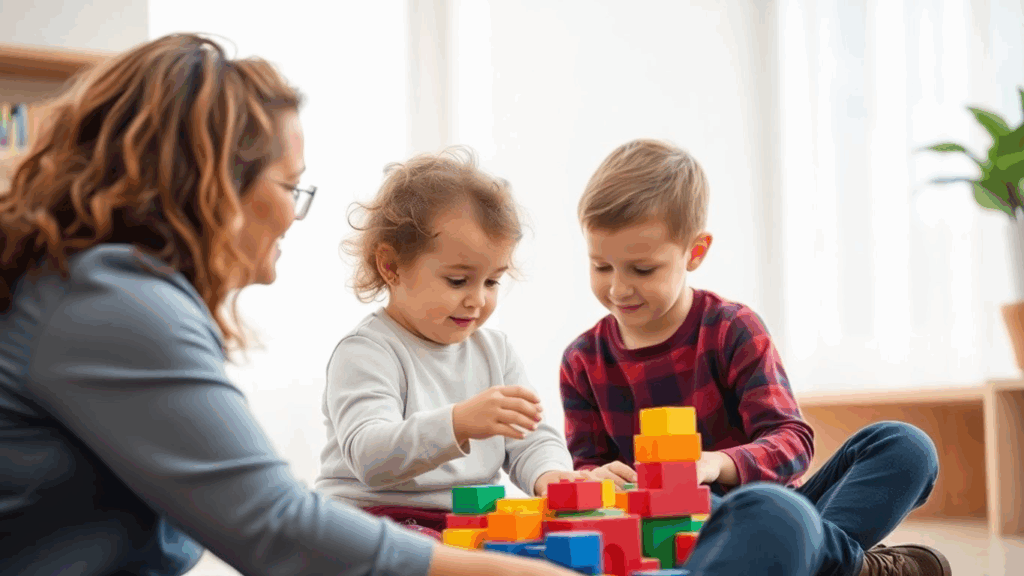
When we talk about helping individuals on the autism spectrum, it’s really about finding what works best for each person. There isn’t a one-size-fits-all solution, and that’s okay. The focus is on building skills and making daily life smoother.
The Importance of Early Intervention
Getting support early on can make a big difference. The idea is to spot any developmental delays or challenges as soon as possible. Early intervention programs often bring together different kinds of help, all designed to fit what a child needs. This might include things like occupational therapy to help with sensory stuff and everyday tasks, or speech therapy to boost communication. Applied Behavior Analysis (ABA) is another common approach, aiming to help with behaviors and social skills.
Individualized Therapies and Interventions
Because autism is a spectrum, what helps one person might not help another. That’s why tailoring therapies is so important. The goal is to help people with autism get better at communicating, interacting with others, and managing daily activities. It’s about building on their strengths and working through challenges.
Here are some common types of therapies:
- Behavioral Therapies: These focus on changing specific behaviors, often using positive reinforcement. Applied Behavior Analysis (ABA) is a well-known example.
- Speech and Language Therapy: This helps improve how someone understands and uses language, whether spoken or through other methods like pictures or devices.
- Occupational Therapy: This therapy assists with daily living skills, like eating or dressing, and can also address sensory processing issues.
- Social Skills Training: This involves learning how to interact with others, often in group settings.
It’s really about creating a plan that fits the individual, not just the diagnosis. The aim is to help people with autism live more independently and improve their overall quality of life.
Behavioral and Educational Strategies
Behavioral and educational strategies are key tools. Applied Behavior Analysis (ABA), for instance, uses positive feedback to encourage desired actions and reduce challenging ones. It breaks down skills into smaller steps, making them easier to learn. Educational approaches, like the TEACCH method, create structured learning environments with visual aids to help individuals with autism focus and learn more effectively. Cognitive-Behavioral Therapy (CBT) can also be helpful for managing anxiety or other mental health concerns that sometimes come along with autism.
Ultimately, the most effective approaches are those that are personalized and adapt as the individual grows and changes.
Advancements in Autism Research
Research into autism spectrum disorder (ASD) has really picked up steam over the years. It’s not just about understanding what autism is anymore; scientists are digging into the ‘why’ and ‘how’ with more focus than ever. This deeper dive is opening doors to new ways of thinking about support and intervention.
Genetic Insights into Autism
We now know that genetics play a pretty big role in autism. Studies suggest that anywhere from 40% to 80% of the risk for autism might be tied to our genes. Researchers have identified over 200 specific genes that seem to be linked to the condition. This is huge because it’s leading to more personalized treatment plans. Think about it: if we can pinpoint specific genetic factors for an individual, we might be able to tailor therapies to work better for them. Efforts are also underway to build more diverse genetic databases, looking at different ethnic backgrounds. This is important because genetic variations can affect people differently, and having a broader picture helps us understand autism across all populations.
Novel Therapeutic Strategies
Beyond genetics, there’s a lot of work happening on new ways to help people with autism. These aren’t just the old standbys; they’re innovative approaches aimed at improving social skills, communication, and just making life better overall. Some research is even looking at things like spontaneous recovery, though these cases are rare and not fully understood. It makes you wonder about the natural developmental paths some individuals might take.
- Early Intervention Programs: Getting support early, especially in the first few years of life, can make a big difference in outcomes.
- Behavioral Therapies: Techniques like Applied Behavior Analysis (ABA) continue to be refined to help with communication and social interactions.
- Speech and Occupational Therapy: These therapies are key for addressing specific challenges related to communication and daily living skills.
The focus in treatment is increasingly on creating individualized plans. What works for one person might not work for another, and recognizing this is a major step forward.
Medications and Autism Management
While there isn’t a medication that can ‘cure’ autism itself, certain medicines can be really helpful for managing specific symptoms that sometimes come along with it. Things like anxiety, hyperactivity, or aggression can be challenging, and when appropriate, medication can be a part of a broader treatment plan. It’s always a decision made with doctors, though, and it’s usually combined with other types of support and therapy to get the best results.
Supporting Individuals with Autism
Addressing Co-Occurring Conditions
It’s pretty common for people on the autism spectrum to also deal with other health issues. These can pop up alongside autism and sometimes make things a bit more complicated. Think about things like anxiety or depression, which many individuals experience. Then there are also physical health concerns, like sleep problems or digestive troubles, that can be more frequent. Managing these alongside autism requires a careful approach, often involving different kinds of medical help or therapies. Doctors and therapists work together to figure out the best plan, making sure all the bases are covered.
The Role of Support Networks
Having a good support system makes a huge difference. This can include family, friends, and even professional groups. For families, connecting with other parents who understand the journey can be incredibly helpful. They can share tips, offer emotional support, and just be there for each other. For individuals with autism, having friends or mentors who get them can really boost their confidence and sense of belonging. These networks provide a space where people feel understood and accepted, which is so important.
- Family Support: Providing resources and education for parents and siblings.
- Peer Groups: Connecting individuals with autism to share experiences and build friendships.
- Professional Guidance: Access to therapists, counselors, and support coordinators.
Building strong connections and having people to rely on can significantly improve the day-to-day lives of individuals with autism. It’s about creating a safety net of understanding and practical help.
Fostering Acceptance and Inclusion
Beyond just support, creating a world that truly accepts and includes everyone is key. This means making sure schools, workplaces, and communities are set up so that people with autism can participate fully. It’s about recognizing that everyone has different ways of communicating and interacting, and that’s okay. Simple adjustments, like clearer communication or sensory-friendly spaces, can make a big impact. The goal is to move from just managing autism to celebrating neurodiversity and making sure everyone has a fair shot at living a good life.
The Future of Autism Care
When we talk about the future of autism, it’s really about how we support people on the spectrum better. The conversation has definitely shifted. Instead of focusing solely on finding a ‘cure,’ which isn’t really on the table right now, the energy is going into improving treatments and support systems. We’re also seeing a big change in how people think about autism itself.
Evolving Treatment and Support
Research keeps giving us more information, and that’s leading to new ways to help. Early intervention is still a big deal, as starting therapies when kids are young can make a real difference in their development. Think about things like speech therapy or occupational therapy – these are getting more tailored to each person’s specific needs. Applied Behavior Analysis (ABA) continues to be a common approach, focusing on learning and social skills.
- Early Intervention: Starting therapies around age 2 can significantly impact a child’s development.
- Individualized Therapies: Treatments are becoming less one-size-fits-all and more about what works for each person.
- Behavioral and Educational Strategies: These focus on building skills for communication, social interaction, and daily living.
The goal is to help individuals with autism live their best lives, whatever that looks like for them. It’s about providing the right tools and support.
Shifting Perspectives on Autism
There’s a growing movement, often called neurodiversity, that views autism not as something to be fixed, but as a natural variation in how human brains work. This means we’re moving away from seeing autism as just a disorder and more as a part of someone’s identity. This shift encourages us to create environments where autistic people can thrive, rather than trying to make them fit a mold.
- Acceptance: Recognizing autism as a difference, not a deficit.
- Inclusion: Making sure autistic individuals are part of schools, workplaces, and communities.
- Autistic Voices: Prioritizing the experiences and input of autistic people in research and practice.
Empowering Individuals with Autism
Ultimately, the future is about empowering autistic individuals. This means listening to them, respecting their needs, and ensuring they have the opportunities to succeed. It’s about building a society that understands and values neurodiversity, creating a world where everyone can reach their full potential. The focus is on support, understanding, and creating a more inclusive world for everyone.
Moving Forward: Acceptance and Support
So, can autism be cured? The short answer, based on what we know now, is no. There isn’t a magic fix or a way to make autism disappear. But that doesn’t mean we’re out of options. Instead of focusing on a cure, the real progress is happening in how we support individuals with autism. It’s about understanding the spectrum, celebrating unique strengths, and building a world that’s more accepting and inclusive. Early support and tailored therapies can make a huge difference in helping people thrive, manage challenges, and live full lives. The journey with autism is ongoing, and it’s one that’s best navigated with knowledge, empathy, and a commitment to creating opportunities for everyone.
Frequently Asked Questions
What is 90% of autism caused by?
The statement that “90% of autism is caused by genetics” comes from heritability estimates. Twin and family studies suggest that genetic factors explain somewhere around 60-90% of the variation in risk for autism. However, “heritability” doesn’t mean there is a single gene or that the environment doesn’t matter—genes make someone more susceptible, but environmental and developmental factors also play important roles.
Could autism ever be cured?
As of now, there is no cure for autism. Autism Spectrum Disorder (ASD) is a lifelong neurodevelopmental difference. But many interventions can significantly improve function, quality of life, social communication, behavior, and independence. Early diagnosis and tailored support make a big difference. Treatments are more about managing and improving symptoms than “curing” the underlying neurology.
What are the breakthroughs of autism in 2025?
Some of the recent promising developments include:
- A study identifying biologically distinct subtypes of autism based on genetic traits, which can help make diagnoses and interventions more precise.
- Discovery of molecular / genetic pathways: researchers have found new genes or mutations that affect multiple autism-related genes during brain development
- Technological and therapeutic innovations: use of AI tools, virtual reality, robot-assisted social skills training, telehealth platforms, wearable devices, etc., to improve access, monitoring, and personalized interventions.
These advances don’t amount to a cure but are helping to improve how autism is understood, diagnosed, and treated in more individualized ways.
What is the best lifestyle for autism?
While lifestyle won’t cure autism, certain supports can make everyday life better. These include:
- Early, consistent behavioral therapies and speech/language/occupational therapies.
- Structured routines, clear expectations, and predictable environments to reduce anxiety and sensory overload.
- Sensory supports (tools or adaptations for overstimulation or under-stimulation).
- Nutrition, sleep, physical activity—good basic health supports neurological functioning.
- Strong social support: family, community, peer groups that understand and accept neurodiversity.
- Education and vocational support tailored to strengths and needs.
Adjusting these depending on the individual makes all the difference. What works best for one person may not for another.
What are the three main causes of autism?
If forced to pick “major contributing causes,” based on current evidence, these are:
- Genetic factors – many genes, inherited or de novo (new mutations) contribute.
- Prenatal environment / perinatal factors – e.g. parental age, maternal health (diabetes, infection, immune factors), possibly exposures to pollutants or other environmental stressors during pregnancy.
- Gene–environment interactions – how genetic susceptibility combines with the environment to influence risk (epigenetic changes, developmental timing, etc.).
What is the best treatment for autism in the world?
There is no one “best treatment” that works for everybody. The most effective approach is multimodal, individualized, and early. Key elements include:
- Behavioral therapies, such as Applied Behavior Analysis (ABA), social skills training, communication therapies.
- Therapies addressing comorbidities (anxiety, ADHD, sensory processing issues).
- Assistive and adaptive technologies (e.g. augmentative communication, software, VR or AR tools).
- Support for families and caregivers, education, coordination of services.
The “best” treatment is one that matches the individual’s strengths, challenges, preferences, and environment, and is delivered consistently by skilled providers.