Autism and Seizures

Autism and Seizures: What Parents Need to Know About This Connection

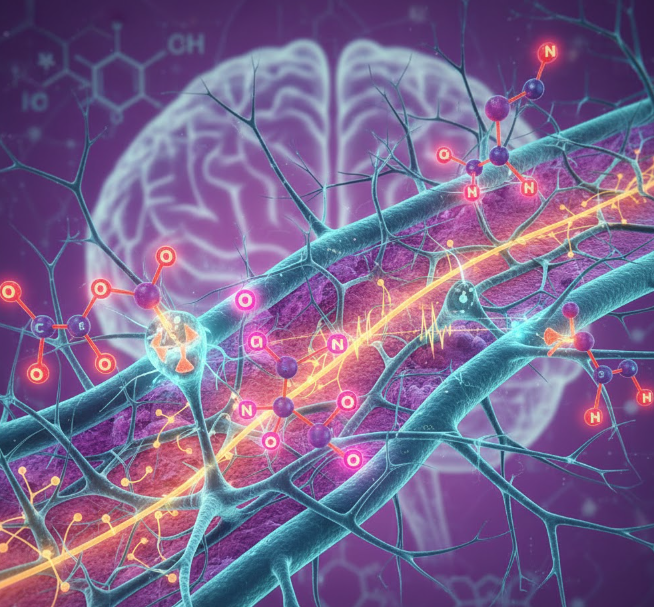
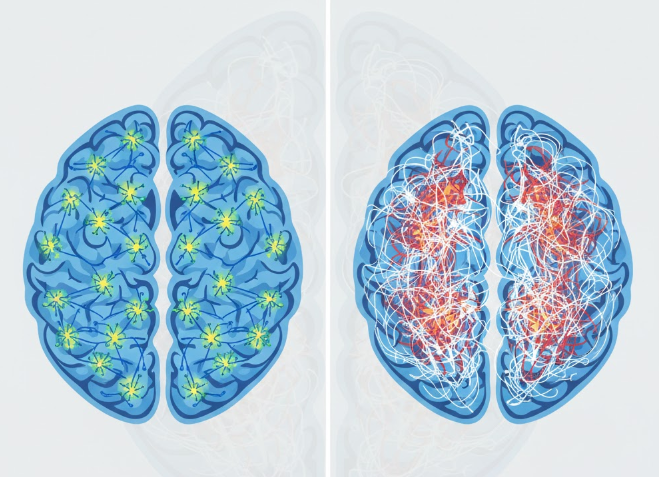
Autism and seizures share a complex relationship that affects many families. Research shows that individuals with autism spectrum disorder (ASD) are significantly more likely to experience seizures than the general population, with rates ranging from 20-30% compared to just 1-2% in neurotypical individuals. This connection stems from shared neurological differences that impact brain development and […]


What Foods to Avoid with Autism

What Foods to Avoid with Autism? Nutrition Strategies for Better Support

While there’s no single diet that works for every autistic child, certain foods can trigger sensory sensitivities, digestive discomfort, or behavioral changes in some individuals on the spectrum. Understanding what foods to avoid with autism helps parents make informed choices that support their child’s comfort, focus, and overall well-being. Autism affects how the brain processes […]

2 Year Old Autism Signs

2 Year Old Autism Signs: What Parents Should Watch For

Most 2 year old autism signs appear through communication delays, limited social interaction, and repetitive behaviors that differ from typical developmental milestones. Early recognition of these patterns allows families to access support services that can significantly improve outcomes for children on the autism spectrum. Understanding what’s typical versus concerning at age two can feel overwhelming […]

Autism Diagnosis Checklist

Autism Diagnosis Checklist: Essential Signs and Screening Tools Parents Should Know

An autism diagnosis checklist is a structured tool that helps parents, caregivers, and healthcare professionals identify early signs of autism spectrum disorder (ASD). These checklists include specific developmental markers, behavioral patterns, and social communication indicators that trained professionals use during screening and evaluation processes. Understanding what specialists look for during autism assessments can help families […]

Is Autism Hereditary

Is Autism Hereditary? Understanding Genetics and Risk Factors

Is autism hereditary? Yes, research shows that autism has a strong genetic component, with studies indicating 60-90% heritability. However, autism doesn’t follow simple inheritance patterns like eye color, and environmental factors also play a role in how autism develops. Understanding the hereditary nature of autism helps families make informed decisions, recognize early signs, and access […]

Hyperverbal Autism

Hyperverbal Autism: When Words Flow Without Pause

Hyperverbal autism describes individuals on the autism spectrum who talk excessively, often struggling to regulate their speech or recognize social cues about when to stop. These individuals may share extensive monologues about favorite topics, interrupt conversations frequently, or have difficulty allowing others to contribute to discussions. Understanding hyperverbal autism helps families and educators support children […]

Level 3 Autism in Toddlers

Level 3 Autism in Toddlers: What Every Parent Should Know

Level 3 autism in toddlers represents the most significant support needs on the autism spectrum, characterized by severe communication difficulties and intense behavioral challenges. Children at this level require substantial, ongoing assistance with daily activities, social interactions, and managing their environment. If you’ve recently received this diagnosis or suspect your toddler may fall into this […]

Folate Deficiency and Autism

Folate Deficiency and Autism: What Parents Need to Know

Research shows a possible connection between folate deficiency and autism spectrum disorder, though folate deficiency alone does not directly cause autism. Low folate levels during pregnancy and early childhood may increase autism risk, while adequate folate intake supports healthy brain development and can potentially reduce certain autism-related challenges. Understanding this relationship helps parents make informed […]

Autism and Schizophrenia

Autism and Schizophrenia: Understanding Two Different Neurological Conditions

Autism and schizophrenia are separate neurological conditions that affect how people think, communicate, and interact with the world. While both involve differences in brain development and function, they emerge at different life stages, have distinct symptoms, and require different approaches to support and treatment. Understanding the relationship between these conditions helps families recognize early signs, […]

The First Person Diagnosed with Autism

The First Person Diagnosed with Autism: A Story That Changed Everything

The first person diagnosed with autism was Donald Gray Triplett, a young boy from Forest, Mississippi, who became known as “Case 1” in Dr. Leo Kanner’s groundbreaking 1943 paper. His diagnosis marked the beginning of autism recognition as a distinct condition, opening the door for millions of families to understand and support their loved ones. […]

level 2 autism in toddlers

Level 2 Autism in Toddlers: Understanding Your Child’s Journey

Level 2 autism in toddlers is a moderate form of autism spectrum disorder where children need substantial support in communication and behavior. Early recognition and intervention can dramatically improve developmental outcomes and help your toddler build essential skills. If you’ve recently learned your toddler has level 2 autism, you’re likely feeling overwhelmed with questions about […]

High-Functioning Autism Eating Habits

High-Functioning Autism Eating Habits: Understanding Food Challenges & Solutions

High-functioning autism eating habits often involve specific food preferences, sensory sensitivities, and rigid mealtime routines that stem from how the brain processes taste, texture, and smell. Many individuals with high-functioning autism prefer bland or crunchy foods, avoid mixed textures, and follow strict eating patterns that provide comfort and predictability. If you’re a parent noticing your […]

Get in touch