Finding the right support for a child with autism in Tulsa starts with understanding what a board certified behavior analyst does and why their credentials matter. A BCBA is a licensed professional trained in applied behavior analysis (ABA), the most evidence-based approach for improving communication, social skills, and daily functioning in individuals with autism spectrum disorder (ASD).
Key Takeaways
- BCBA credentials are issued by the Behavior Analyst Certification Board (BACB) and require a master’s degree, supervised hours, and a national exam.
- ABA therapy in Tulsa is covered by most insurance plans under Oklahoma’s autism insurance mandate.
- Early intervention, ideally before age 5, produces the strongest long-term outcomes.
- Always verify a BCBA’s credentials through the BACB’s public registry before enrolling your child.
- A quality BCBA will conduct a formal assessment and build an individualized treatment plan, not a one-size-fits-all program.
- Tulsa has a growing network of ABA providers, but waitlists can be long, so starting your search early is important.
What a BCBA Actually Does Day to Day
A board certified behavior analyst in Tulsa is responsible for designing, overseeing, and adjusting ABA therapy programs for individual clients. They do not simply supervise sessions from a distance. Their work involves direct observation, data collection, parent training, and collaboration with teachers and other therapists.
Here is what a typical BCBA workflow looks like:
- Initial assessment: Using tools like the VBMAPP or ABLLS-R to measure current skill levels across communication, social, academic, and adaptive domains.
- Treatment plan development: Setting specific, measurable goals based on assessment data and family priorities.
- Supervision of registered behavior technicians (RBTs): RBTs deliver most of the direct therapy hours under the BCBA’s oversight.
- Data review: Analyzing session data weekly or biweekly to determine whether strategies are working and adjusting as needed.
- Parent and caregiver training: Teaching families how to reinforce skills at home so progress generalizes beyond the clinic.
- Collaboration: Coordinating with speech-language pathologists, occupational therapists, and school IEP teams.
The BCBA is the clinical decision-maker. If your child’s behavior plan is not working, the BCBA is the person responsible for figuring out why and changing course.
BCBA Credentials: What the Letters Mean and Why They Matter
Not every therapist who offers ABA services has the same qualifications. The BACB (Behavior Analyst Certification Board) is the national credentialing body, and its certifications are the gold standard in the field.
Here is a breakdown of the main credential levels:
| Credential | Education Required | Supervised Hours | Exam Required |
| RBT (Registered Behavior Technician) | High school diploma | 40 hours | Yes |
| BCaBA (Board Certified Assistant Behavior Analyst) | Bachelor’s degree | 1,000+ hours | Yes |
| BCBA (Board Certified Behavior Analyst) | Master’s degree | 1,500-2,000 hours | Yes |
| BCBA-D (Doctoral level) | Doctorate | 1,500-2,000 hours | Yes |
When you are searching for a board certified behavior analyst Tulsa families can trust, you should verify credentials directly on the BACB’s public registry at certificationregistry.bacb.com. A valid BCBA will have an active certification status, a certification number, and no disciplinary actions on record.
Oklahoma also requires BCBAs to hold a state license. As of recent legislation, the Oklahoma Board of Behavioral Health Licensure oversees behavior analyst licensure at the state level. Always confirm that your provider holds both a current BACB certification and a valid Oklahoma license.
Why Early Diagnosis and Intervention Makes a Difference in Tulsa
Timing is critical when it comes to autism intervention. Research consistently shows that children who begin intensive ABA therapy before age 5 make significantly greater gains in language, adaptive behavior, and social skills compared to those who start later.
This makes the diagnostic process an urgent first step. If you suspect your child may be on the autism spectrum, understanding the dsm 5 criteria for autism can help you recognize the specific behavioral and developmental markers that clinicians look for during an evaluation. Knowing this criteria in advance also helps you prepare for what to expect during the assessment process.
Tulsa has several developmental pediatricians, neuropsychologists, and autism-specialized clinics that conduct formal evaluations. The University of Oklahoma-Tulsa and OSU Medical Center are two well-known options for families seeking comprehensive assessments. However, wait times for evaluations at academic medical centers can stretch to several months, which is why starting that process as soon as concerns arise is essential.
If you have been wondering why are autism rates increasing in the United States, current data from the CDC places prevalence at approximately 1 in 36 children. Greater diagnostic awareness, expanded criteria, and improved screening protocols all contribute to higher reported rates. For Tulsa families, this means more children are entering the ABA pipeline than ever before, which also explains why qualified BCBAs are in high demand.
How ABA Therapy Is Structured in Tulsa
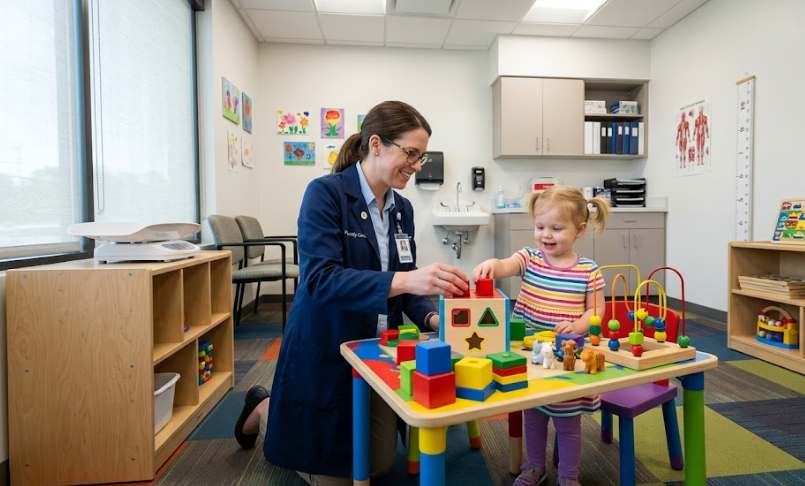
ABA therapy is not a single technique. It is a science-based framework that uses several teaching strategies, all grounded in the principles of behavior analysis. A skilled board certified behavior analyst will select methods based on your child’s specific profile, not a predetermined curriculum.
Common ABA strategies used in Tulsa clinics include:
- Discrete Trial Training (DTT): Structured, repetitive teaching in a controlled setting, ideal for building foundational skills.
- Natural Environment Teaching (NET): Skills are practiced during everyday activities like play, snack time, or community outings.
- Pivotal Response Treatment (PRT): Targets core areas like motivation and self-management to produce broader improvements.
- Verbal Behavior (VB) approaches: Focuses specifically on the functional use of language.
Most Tulsa-based ABA clinics offer center-based therapy, home-based therapy, or a combination of both. Younger children often begin in a clinic setting and transition to community or school-based support as they progress. Hours of therapy per week typically range from 10 to 40, depending on the child’s needs and insurance authorization.
For families curious about whether genetics plays a role in their child’s diagnosis, understanding genetic testing for autism can be a valuable next step. While genetic testing does not determine your child’s ABA treatment plan, it can provide important context for understanding underlying medical conditions that sometimes co-occur with autism, such as Fragile X syndrome or Phelan-McDermid syndrome.
The Cost of ABA Therapy in Tulsa and What Insurance Covers
Cost is one of the biggest concerns for Tulsa families exploring ABA therapy. The good news is that Oklahoma law requires most commercial insurance plans to cover ABA services for individuals with autism. This mandate applies to fully insured plans regulated by the state.
Here is a general cost breakdown without insurance:
| Service | Estimated Cost |
| Initial BCBA assessment | $1,200 – $2,500 |
| ABA therapy (per hour, direct) | $120 – $200 |
| Monthly therapy (20 hrs/week) | $9,600 – $16,000 |
| Parent training sessions | $150 – $250 per session |
With insurance, families typically pay copays and deductibles rather than full rates. Oklahoma SoonerCare (Medicaid) also covers ABA therapy for eligible children, and the coverage is generally robust for those who qualify.
When evaluating providers, ask these questions upfront:
- Do you accept our specific insurance plan?
- What is your current waitlist timeline?
- How many hours per week is the BCBA directly observing my child?
- What does your parent training program look like?
- How do you handle transitions to school-based services?
How to Find and Evaluate a BCBA in Tulsa
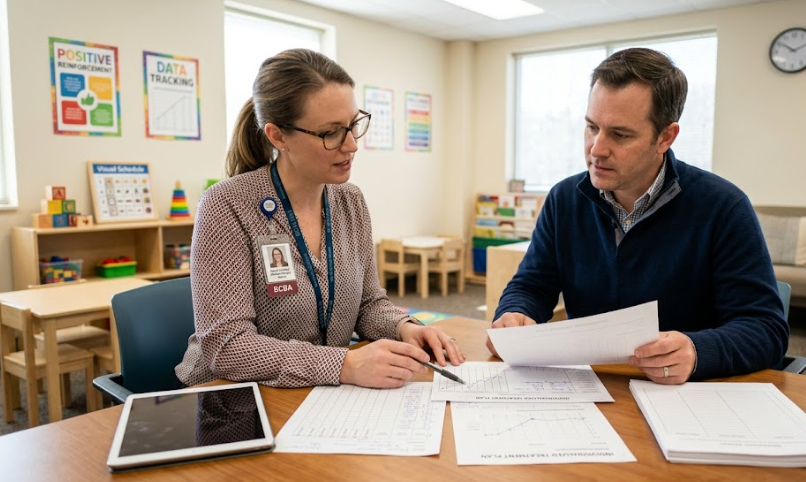
Tulsa has a growing number of ABA providers, ranging from large multi-site clinics to smaller, boutique practices. The right fit depends on your child’s age, diagnosis severity, family schedule, and insurance situation.
Steps to finding a qualified provider:
- Search the BACB’s public certification registry to verify credentials before your first call.
- Ask your child’s pediatrician or developmental specialist for referrals to BCBAs they have worked with directly.
- Contact your insurance company’s provider directory for in-network BCBAs and clinics.
- Schedule consultations with at least two providers before committing. A good BCBA will welcome your questions.
- Ask about staff-to-client ratios and how often the BCBA reviews your child’s program data.
- Look for providers who prioritize family involvement and offer structured parent training as part of the program.
Red flags to watch for include vague explanations of treatment goals, no formal assessment before beginning therapy, high staff turnover, and limited BCBA involvement in direct supervision.
Things to Know
- Oklahoma’s autism insurance mandate applies to most commercial plans, but self-funded employer plans (ERISA plans) are governed by federal law and may not be required to follow state mandates. Always confirm your specific plan’s coverage.
- RBTs deliver most direct therapy hours. Your child will spend more time with their RBT than with the BCBA, so meeting the RBT team before starting is important.
- ABA therapy requires consistent attendance to be effective. Frequent cancellations significantly slow progress.
- A good BCBA should be open to discussing ethical concerns. The BACB publishes a professional and ethical compliance code that all certified practitioners must follow.
- School-based services through your child’s IEP are separate from private ABA therapy and have different goals. The two can and often should work in parallel.
- Generalization is the real test of ABA. Skills learned in a clinic must transfer to home, school, and community settings. Ask your provider how they measure generalization.
The Bottom Line on Board Certified Behavior Analyst Tulsa
Working with a qualified board certified behavior analyst Tulsa families can rely on is one of the most impactful decisions you will make for your child’s development. The combination of proper credentials, individualized assessment, transparent communication, and strong family involvement is what separates effective ABA therapy from a generic service.
Start by verifying credentials, asking detailed questions during consultations, and confirming your insurance coverage before committing to any provider. Given the demand for ABA services in Tulsa, getting on a waitlist early, even before your child’s formal diagnosis is complete, can save you weeks or months. Your child’s progress depends on the quality of the team around them, and the BCBA is the cornerstone of that team.
Frequently Asked Questions
How do I verify that a BCBA in Tulsa is currently certified?
You can verify any BCBA’s credential status through the BACB’s public certification registry at certificationregistry.bacb.com.
Search the provider’s name or certification number to see their active status, certification type, and any disciplinary history. This takes less than two minutes and should always be your first step before engaging a provider.
How many hours of ABA therapy does my child need per week?
The recommended number of therapy hours depends on your child’s age, severity of diagnosis, and specific goals, typically ranging from 10 to 40 hours per week.
Younger children with significant delays often benefit from higher-intensity programs, while older children working on specific skills may need fewer hours. Your BCBA should justify the recommended hours based on assessment data.
What is the difference between a BCBA and an RBT?
A BCBA designs and oversees the treatment program, while an RBT implements it under the BCBA’s supervision during direct therapy sessions.
RBTs complete 40 hours of training and pass a competency assessment, but they do not have the clinical authority to create or modify behavior plans. The BCBA holds responsibility for all clinical decisions.
Can ABA therapy be done at home in Tulsa?
Yes, many Tulsa providers offer home-based ABA therapy, where an RBT visits your home under the BCBA’s supervision.
Home-based therapy can be especially effective for teaching daily living skills in the natural environment where they will actually be used. Some families combine home and center-based services depending on their child’s needs and the goals being targeted.
What happens when my child is ready to transition out of ABA therapy?
A strong BCBA will plan for discharge from the beginning, setting criteria for when each goal is mastered and how skills will be maintained without intensive services.
Transitions typically involve fading therapy hours gradually, transferring support to school-based services, and providing parents with the tools to maintain progress at home. A good exit plan is a sign of a well-run program.