
Alex Honnold, the free solo climber famous for ascending El Capitan without ropes, has never received a public autism diagnosis. However, many wonder: does Alex Honnold have autism? His documented behavioral patterns, emotional responses, and family history have prompted serious discussion among psychologists, fans, and the autism community about whether he falls somewhere on the autism spectrum.
Key Takeaways
- Alex Honnold has no publicly confirmed autism diagnosis, but multiple behavioral traits have fueled ongoing speculation about whether does Alex Honnold have autism.
- Clinical psychologist Dr. Jane G. Tillman has noted that Honnold’s traits are consistent with Asperger’s Syndrome.
- Neurological scans in 2016 revealed that Honnold’s amygdala is unusually small and shows minimal activation in response to disturbing images.
- His father, Charles, was described by family members as exhibiting undiagnosed Asperger’s traits, suggesting a possible hereditary link.
- Behavioral traits alone are not sufficient for an autism diagnosis, which requires formal clinical evaluation.
- Understanding how autism presents in high-achieving individuals challenges many common misconceptions about the condition.
Why Does Alex Honnold Have Autism Traits? Scientific Interest in His Mind
When Alex Honnold completed his free solo ascent of El Capitan in 2017, the world asked more than just how he did it physically. The deeper question was psychological: how does a person remain calm while performing a task where a single mistake means death?
That question led scientists and psychologists to examine his neurology and personality in unusual depth. Therefore, the conversation about whether does Alex Honnold have autism gained real traction.
In 2015, a post on the Autism Climbs Facebook page raised this question publicly. Moreover, it sparked hundreds of comments from individuals on the spectrum who recognized something familiar in Honnold’s demeanor. This was not idle celebrity gossip. It was a community identifying potential shared traits in a high-profile figure.
Dr. Jane G. Tillman, a clinical psychologist at the Austen Riggs Center, reviewed Honnold’s public behavior and stated that his personality is consistent with someone who has Asperger’s Syndrome. Additionally, she pointed specifically to his intense focus, meticulous planning habits, and noticeably limited interest in socializing. These are clinical markers that professionals take seriously, even without a formal evaluation.

Behavioral Traits That Fuel the Speculation About Does Alex Honnold Have Autism
Several of Honnold’s well-documented behaviors align with characteristics commonly associated with autism spectrum disorder (ASD). These include:
Hyper-focused preparation: Honnold spends months or even years memorizing every hand placement and foothold on a route before attempting it. This level of systematic, repetitive study goes well beyond what most elite athletes practice.
Emotional flatness in high-stakes moments: In interviews filmed immediately after historic climbs, Honnold often appears calm and analytical rather than visibly excited or emotional. He has acknowledged this himself in various discussions. Moreover, he notes that he does not experience joy the way others seem to expect him to.
Social detachment: Friends, climbing partners, and journalists have frequently described Honnold as socially reserved. Additionally, they note that he remains more comfortable discussing route logistics than personal feelings.
Rigid daily routines: He famously lived out of a van for years and maintained extremely structured daily habits around training, eating, and climbing.
Literal communication style: Honnold is known for giving blunt, precise answers in conversations, with little of the social warmth or softening that characterizes most public figures.
None of these traits individually constitute a diagnosis. Furthermore, researchers continue to investigate whether various factors cause autism. However, the accumulation of these traits in one individual is not something clinicians dismiss outright. This is especially true when combined with family history and neurological findings that support the question of whether does Alex Honnold have autism.
His Father’s History and the Hereditary Angle Related to Does Alex Honnold Have Autism
One of the more compelling pieces of evidence involves Honnold’s father, Charles. Alex’s mother described Charles as someone who “was in a bubble, and no one could get in.” This description closely mirrors how clinicians describe social withdrawal in Asperger’s Syndrome. Charles was never formally diagnosed before his death, but those closest to him recognized traits consistent with the condition.
Genetics plays a significant role in autism. Research consistently shows that ASD runs in families. Moreover, first-degree relatives of autistic individuals carry meaningfully higher rates of both diagnosed and subclinical traits. If Honnold’s father did exhibit undiagnosed Asperger’s characteristics, that family history makes the question about Alex far more substantive than simple speculation.
It is also worth noting that autism presents on a spectrum. Many individuals, particularly those from older generations, went undiagnosed because the criteria were narrower. Additionally, awareness was far lower during their formative years. This is especially true for highly intelligent individuals who developed compensatory strategies. These strategies masked their differences in social settings.
The Neuroscience Behind Fear Response in Individuals Like Honnold
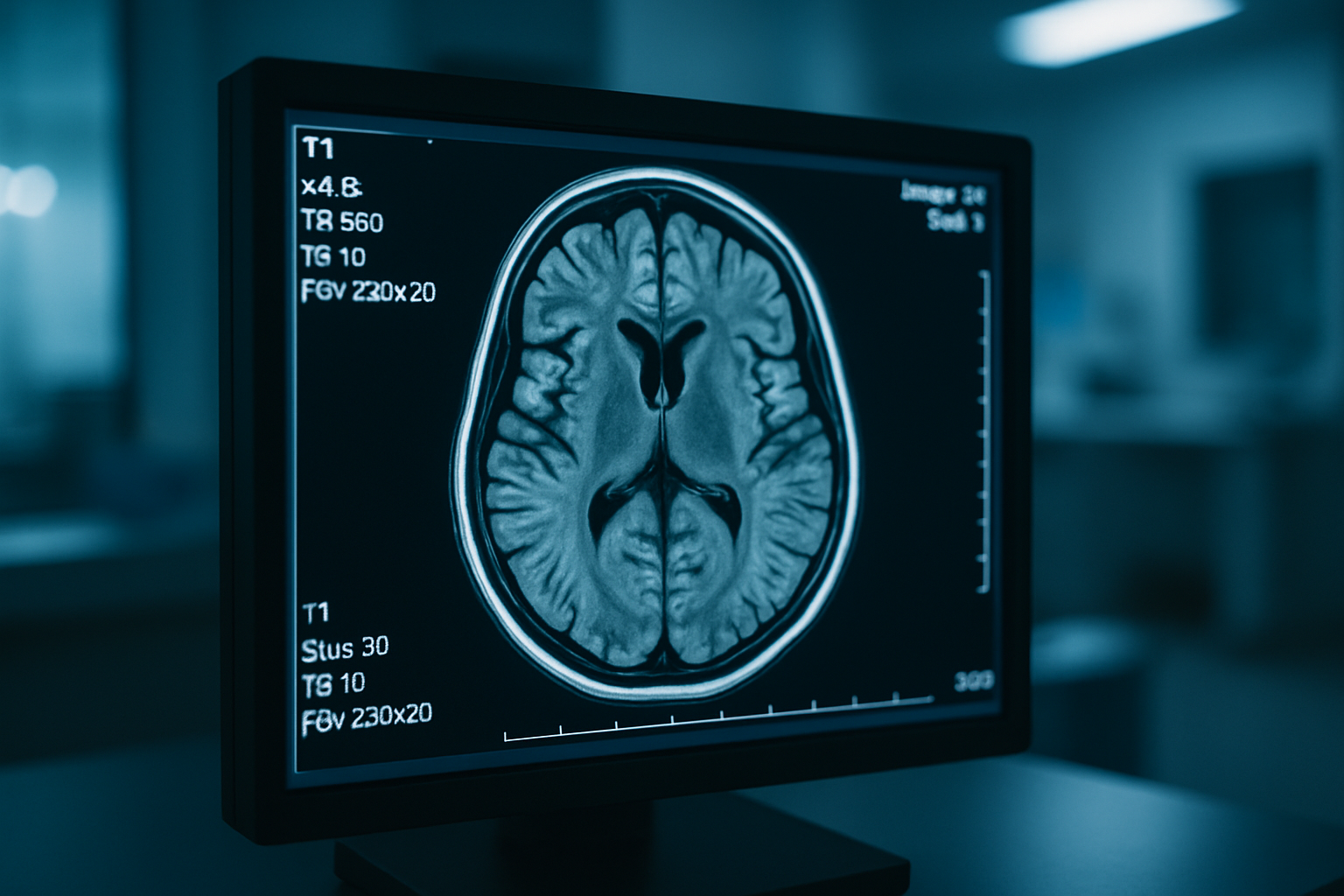
In 2016, researchers subjected Honnold to functional magnetic resonance imaging (fMRI) scans as part of a study on fear and risk. The results were striking. His amygdala, the part of the brain most associated with processing fear and emotional responses, is notably smaller than average. Furthermore, it showed almost no activation when he viewed disturbing images. This same set of images triggered strong amygdala responses in other high sensation seekers who served as a comparison group.
This neurological finding matters for several reasons. First, it offers a biological explanation for how Honnold remains calm in objectively terrifying situations. Second, amygdala differences have been documented in autism research. However, the relationship is complex and not uniform across all individuals on the spectrum.
| Feature | Alex Honnold | Typical High Sensation Seeker | Autism Association |
|---|---|---|---|
| Amygdala activation | Minimal | Moderate to high | Often reduced |
| Social engagement | Limited | Varied | Often reduced |
| Repetitive behaviors | Yes (climbing routines) | Rare | Common |
| Emotional expression | Flat | Varied | Often muted |
| Family history of traits | Yes (father) | Uncommon pattern | Hereditary component |
The fMRI data does not confirm autism. However, it confirms that Honnold’s brain processes emotional and threat-related information differently from most people. Additionally, that difference has a measurable, structural dimension.
What an Autism Diagnosis Actually Requires
It is essential to separate behavioral observation from clinical diagnosis. When people wonder whether does Alex Honnold have autism, they are often drawing on visible traits. This is a reasonable starting point but not a sufficient conclusion.
A formal autism diagnosis in the United States follows criteria outlined in the DSM-5. Therefore, it requires several key elements:
- Persistent deficits in social communication and interaction across multiple contexts
- Restricted, repetitive patterns of behavior, interests, or activities
- Symptoms present from early developmental periods
- Significant functional impairment or clinically meaningful difference in daily functioning
- Exclusion of other explanations such as intellectual disability or global developmental delay
Honnold has never publicly sought or disclosed a formal evaluation. However, he has openly acknowledged that he processes emotions differently. Moreover, he has spoken about the effort it takes him to connect socially. Some of this self-awareness appears in his 2015 memoir “Alone on the Wall,” where he discusses his emotional detachment with honesty.
Early developmental signs also factor into any autism assessment. Additionally, researchers have identified various developmental markers that contribute to understanding whether individuals may have autism traits. Similarly, prenatal screening tools have advanced significantly. Yet diagnosis still depends on behavioral evaluation over time.
Autism in High-Achieving Adults: Challenging Common Stereotypes
One reason the discussion around whether does Alex Honnold have autism resonates so widely is that he represents a category of individuals who challenge popular misconceptions about what autism looks like. Many people still associate ASD with significant intellectual disability or an inability to function independently.
However, a large portion of autistic adults are highly capable, professionally successful, and live independently. Additionally, certain traits associated with autism can become genuine strengths in specific environments. Honnold’s hyper-focused preparation, his ability to compartmentalize fear, his comfort with solitude, and his systematic approach to problems are exactly the traits that made him the best in the world at what he does.
This is not to romanticize autism or suggest that challenges do not exist. Rather, it is to acknowledge that neurodevelopmental differences do not exist on a single axis of good or bad. For parents of autistic children, stories like Honnold’s are genuinely meaningful. They expand the range of possibilities. Furthermore, they reframe what neurodivergent thinking can achieve.
Things to Know
- Alex Honnold has never publicly confirmed an autism diagnosis or sought one, based on all available information.
- Clinical observations from licensed professionals are not the same as formal diagnoses, even when the traits identified are real and consistent.
- The 2016 fMRI study showing reduced amygdala activation was conducted by neuroscientist Jane Joseph. Furthermore, it remains one of the most cited pieces of evidence in this discussion.
- Asperger’s Syndrome is no longer listed as a separate diagnosis in the DSM-5; it is now included within the broader autism spectrum disorder category.
- High-functioning autism and Asperger’s traits in adults are frequently missed or dismissed. This is particularly true in individuals who develop strong coping strategies early in life.
- Family history alone is not diagnostic, but it is a recognized risk factor that increases the probability of autism traits appearing across generations.
Frequently Asked Questions
Q: Has Alex Honnold ever been officially diagnosed with autism?
No, Alex Honnold has not publicly disclosed an autism diagnosis of any kind. He has spoken openly about his emotional differences and processing style in interviews and in his memoir. However, he has not confirmed a clinical diagnosis. Observations from psychologists are based on his public behavior, not formal evaluations.
Q: What did the brain scan study reveal about Honnold?
The 2016 fMRI study found that Honnold’s amygdala is unusually small and shows minimal activation in response to disturbing stimuli. This is significant because the amygdala governs fear and emotional reactions. The findings suggest a biological basis for his calm under extreme pressure. Additionally, amygdala differences have been documented in autism research, though no direct link was established in that specific study.
Q: What traits does Honnold have that are associated with autism?
Honnold displays hyper-focused preparation habits, flat emotional affect, limited social interest, rigid routines, and a literal communication style. These traits, taken together, are consistent with what clinicians observe in individuals on the autism spectrum. However, they are also present in neurotypical individuals, which is why formal evaluation matters.
Q: Does autism run in the Honnold family?
Honnold’s father, Charles, was described by family members as exhibiting traits consistent with undiagnosed Asperger’s Syndrome. Autism does have a hereditary component. Moreover, a parent with subclinical or undiagnosed traits meaningfully increases the likelihood of similar traits in children. This family history is one of the more substantive elements of the discussion.
Q: Can someone be autistic and still be world-class at a physical or intellectual pursuit?
Yes, many autistic individuals are highly accomplished in fields that align with their areas of focused interest and cognitive strengths. Autism presents differently across individuals. Additionally, some traits that create social challenges can simultaneously support deep expertise, systematic thinking, and exceptional performance under specific conditions. Honnold’s career is one example that many in the autism community find genuinely relatable.
The Bottom Line on Does Alex Honnold Have Autism
The honest answer to whether does Alex Honnold have autism is: we do not know for certain, because no formal public diagnosis exists. What we do know is that credible clinicians have identified real and consistent behavioral patterns in Honnold that align with autism spectrum traits. Additionally, his father showed similar characteristics. Furthermore, his brain shows measurable neurological differences. That combination is not nothing.
Whether or not Honnold ever seeks or discloses a formal evaluation, the broader conversation his story generates has real value. It opens the door for more people, particularly high-achieving adults who mask their differences well, to recognize themselves and seek understanding. If you see yourself or someone you care about in this discussion, talking with a licensed clinician who specializes in adult autism assessment is the most useful next step you can take.