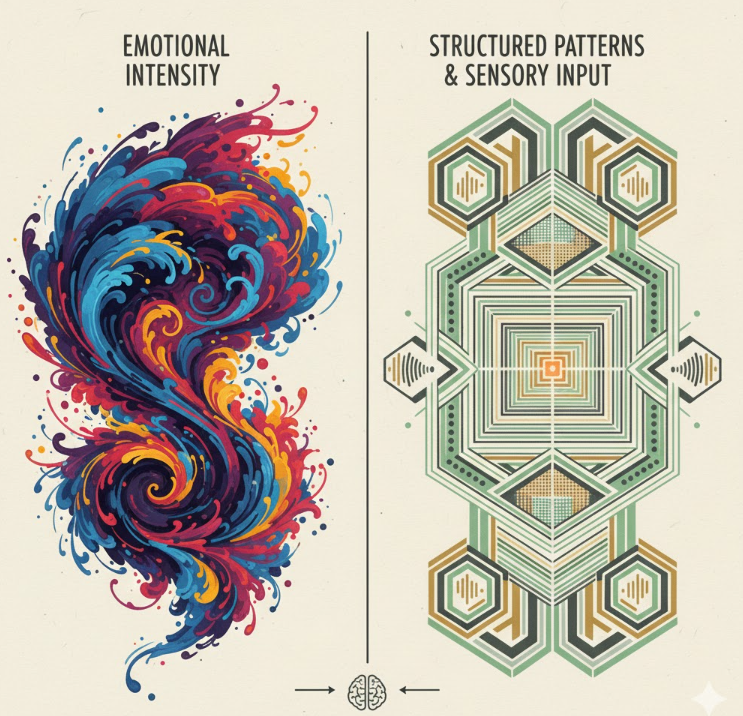
Borderline personality disorder (BPD) and autism spectrum disorder (ASD) are two distinct conditions, yet they share overlapping traits that can lead to confusion or misdiagnosis. BPD primarily involves intense emotional instability and unstable relationships, while autism centers on differences in social communication and repetitive behaviors from early childhood. Understanding the key differences between these conditions helps individuals, families, and professionals provide the right support and pursue accurate diagnosis.
Both conditions affect how people interact with the world, but the underlying mechanisms differ significantly. While someone with BPD may struggle with fear of abandonment and emotional regulation, an autistic person may experience challenges with interpreting social cues or managing sensory input. Recognizing these distinctions is essential for appropriate intervention, whether through therapy, behavioral support, or environmental accommodations.
What Is Borderline Personality Disorder?
Borderline personality disorder is a mental health condition characterized by pervasive patterns of instability in emotions, self-image, and interpersonal relationships. People with BPD often experience intense fear of abandonment, which drives many of their behaviors and reactions.
The condition typically emerges in early adulthood, though signs may appear during adolescence. BPD affects roughly 1.4% of the adult population and occurs across all genders, though it’s more commonly diagnosed in women.
Core Features of BPD
Individuals with BPD experience emotional swings that can shift rapidly within hours. These intense emotions often feel overwhelming and difficult to control, leading to impulsive actions or self-destructive behaviors.
Relationships tend to be turbulent, swinging between idealization and devaluation of others. Someone with BPD might view a person as perfect one moment and deeply flawed the next, a pattern known as “splitting.”
Self-image in BPD is unstable. A person may feel confident and capable one day, then worthless and uncertain the next. This shifting sense of identity contributes to chronic feelings of emptiness.
Impulsive behaviors are common and may include reckless spending, substance use, unsafe driving, binge eating, or sudden changes in life direction. These actions often serve as attempts to manage intense emotional pain.
Many individuals with BPD also experience brief episodes of paranoia or dissociation, especially during high stress. These moments can feel disconnected from reality, adding to the distress.
At Dream Bigger ABA, we recognize that understanding these patterns helps families and professionals distinguish BPD from other conditions like autism, where emotional regulation challenges have different roots.
The 3 C’s of Borderline Personality Disorder
Mental health professionals often describe BPD using the “3 C’s” framework:
- Chaos: Life feels unpredictable and overwhelming. Relationships, emotions, and daily experiences seem to spiral out of control frequently.
- Crisis: Individuals with BPD may experience repeated crises, whether emotional breakdowns, relationship conflicts, or self-harm incidents.
- Control: Underneath the chaos and crisis lies an intense need to control situations, relationships, or emotions—often driven by fear of abandonment or rejection.
This framework helps capture the lived experience of BPD, where stability feels constantly out of reach despite desperate efforts to find it.
What Is Autism Spectrum Disorder?
Autism spectrum disorder is a neurodevelopmental condition that affects how individuals communicate, interact socially, and process sensory information. Unlike BPD, autism is present from birth and becomes apparent in early childhood, typically before age three.
Autism exists on a spectrum, meaning symptoms and support needs vary widely. Some autistic individuals require significant daily assistance, while others live independently with minimal support.
Core Features of Autism
Social communication differences define much of the autistic experience. This includes challenges with:
- Understanding nonverbal cues like facial expressions, tone of voice, or body language
- Difficulty maintaining eye contact or using it in ways neurotypical people expect
- Trouble understanding unwritten social rules or reading between the lines
- Preference for direct, literal communication rather than hints or implications
Repetitive behaviors and restricted interests are another hallmark. Autistic people might:
- Follow strict routines and experience distress when routines change
- Engage in repetitive movements like hand-flapping, rocking, or spinning
- Focus intensely on specific topics or activities
- Have strong preferences for sameness in their environment
Sensory processing differences affect how autistic individuals experience the world. Sounds, lights, textures, or smells may feel overwhelming or barely noticeable compared to neurotypical experiences.
These traits aren’t deficits—they’re differences in how the autistic brain processes information. What is stimming in autism explores how repetitive behaviors serve important self-regulation functions.

BPD vs Autism: Key Differences
While both conditions can affect relationships and emotional experiences, the underlying causes and patterns differ significantly. Understanding these distinctions prevents misdiagnosis and ensures appropriate support.
Emotional Regulation Patterns
In BPD, emotional dysregulation stems from difficulty managing intense feelings that arise from interpersonal situations. Emotions shift rapidly in response to perceived rejection, abandonment, or criticism. The person feels emotions deeply and struggles to bring them back to baseline.
In autism, emotional regulation challenges often relate to sensory overload, social exhaustion, or unexpected changes in routine. Autistic individuals may have strong emotional reactions, but these typically connect to specific triggers related to sensory input or predictability rather than fear of abandonment.
| Aspect | BPD | Autism |
| Primary Trigger | Fear of abandonment, relationship instability | Sensory overload, routine changes, social demands |
| Emotional Pattern | Rapid, intense shifts within hours | Meltdowns or shutdowns in response to specific stressors |
| Recovery Time | Can shift quickly with reassurance | May need extended quiet time to recover |
| Self-Perception | “I feel emotions too intensely” | “The world feels overwhelming” |
Social Interaction Differences
People with BPD typically understand social cues and can read others’ emotions effectively. Their relationship difficulties stem from intense fear of rejection and unstable self-image rather than confusion about social rules.
Autistic individuals often struggle to interpret social cues naturally. They might miss sarcasm, misread facial expressions, or not understand why certain behaviors upset others. These aren’t manipulative behaviors—they reflect genuine differences in social processing.
In BPD, relationships may cycle between extreme closeness and pushing people away. In autism, social withdrawal often results from exhaustion, sensory needs, or preference for solitude rather than fear of abandonment.
Development and Onset
BPD symptoms typically emerge in adolescence or early adulthood. The condition develops over time, often linked to environmental factors, trauma, or attachment disruptions during childhood.
Autism is present from birth, though diagnosis may not occur until later. Signs appear in early childhood, affecting development of language, play, and social interaction from the start. When was autism first discovered provides historical context on how understanding of autism has evolved.
Treatment Approaches
BPD treatment focuses on emotional regulation skills, relationship patterns, and processing trauma. Dialectical Behavior Therapy (DBT) has strong evidence for effectiveness, teaching distress tolerance, emotion regulation, and interpersonal effectiveness.
Autism support emphasizes understanding sensory needs, developing communication strategies, and building life skills while accepting neurodivergent traits as differences rather than deficits. ABA therapy in Fairfax, VA offers structured support for developing skills while respecting individual processing styles.
How is BPD Similar to Autism?
Despite fundamental differences, BPD and autism share some overlapping features that can complicate diagnosis, especially when clinicians aren’t familiar with how both conditions present.
Overlapping Traits
Both conditions can involve:
Intense emotional responses: While the triggers differ, both BPD and autism can involve strong emotional reactions that others might view as disproportionate to the situation.
Social difficulties: Relationship challenges appear in both conditions, though for different reasons. This overlap often leads to confusion during assessment.
Black-and-white thinking: Both BPD (through splitting) and autism (through concrete thinking) can involve rigid thinking patterns, though the underlying mechanisms differ.
Sensory sensitivity: While more characteristic of autism, some individuals with BPD report heightened sensitivity to their environment, possibly related to emotional vulnerability.
Routine preferences: Both groups may prefer predictable routines, though autistic individuals need routines for sensory regulation while those with BPD may use routines to manage emotional instability.
Why Misdiagnosis Occurs
Several factors contribute to diagnostic confusion between BPD and autism:
Gender bias: Autism has historically been under-diagnosed in women and girls, while BPD is more frequently diagnosed in women. Autistic women may receive BPD diagnoses when their social camouflaging breaks down under stress.
Trauma overlap: Many autistic individuals experience trauma from years of masking, bullying, or not having needs met. Trauma symptoms can mimic BPD features.
Communication differences: Autistic individuals may struggle to articulate their internal experiences in ways clinicians expect, leading to misinterpretation of their difficulties.
Surface-level assessment: Without deep understanding of both conditions, clinicians may focus on shared features while missing the distinct underlying patterns.
Research suggests significant overlap in diagnoses, with some studies finding that up to 15% of individuals with BPD may also meet criteria for autism. This highlights the importance of thorough, informed assessment.
What Does a BPD Meltdown Look Like?
Understanding the difference between a BPD crisis and an autistic meltdown clarifies how these conditions diverge in practice.
BPD Emotional Crisis
A BPD meltdown typically involves:
- Intense emotional pain often triggered by perceived rejection or abandonment
- Rapid escalation from calm to extreme distress
- Expressions of anger, desperation, or panic
- Impulsive actions aimed at preventing abandonment or relieving emotional pain
- Possible self-destructive behaviors as coping attempts
- Strong reactivity to interpersonal situations
The person experiencing a BPD crisis often feels desperate for connection and reassurance. They may reach out intensely to others, make threats of self-harm to prevent abandonment, or engage in behaviors designed to test relationships.
Recovery often involves validation, reassurance about the relationship, and emotional grounding techniques. ABA therapy in Woodbridge, VA can help individuals develop healthier coping strategies for emotional regulation.
Autistic Meltdown
An autistic meltdown looks different:
- Results from sensory overload, accumulated stress, or sudden changes
- Not necessarily triggered by interpersonal events
- May involve shutting down rather than acting out
- Physical responses like covering ears, rocking, or withdrawing
- Loss of ability to communicate or process information
- Not manipulative—represents genuine overwhelm
During meltdowns, autistic individuals need reduced sensory input, time alone, and patience. Attempting to engage them in conversation or provide reassurance may worsen the situation rather than help.
Recovery requires quiet space, reduced demands, and time to process. The person may need hours or even days to fully recover their capacity for social interaction and daily functioning.

What Are the 9 Traits of BPD?
The Diagnostic and Statistical Manual of Mental Disorders (DSM-5) identifies nine criteria for BPD diagnosis. A person must meet at least five of these criteria for a formal diagnosis:
| Trait | Description |
| Fear of abandonment | Frantic efforts to avoid real or imagined abandonment by others |
| Unstable relationships | Pattern of intense, unstable relationships alternating between idealization and devaluation |
| Identity disturbance | Markedly unstable self-image or sense of self |
| Impulsivity | Impulsive behaviors in at least two areas (spending, sex, substance use, driving, eating) |
| Suicidal behavior | Recurrent suicidal behavior, gestures, threats, or self-harming behavior |
| Emotional instability | Intense, rapidly changing moods lasting hours to days |
| Chronic emptiness | Persistent feelings of emptiness or void |
| Intense anger | Inappropriate, intense anger or difficulty controlling anger |
| Dissociation or paranoia | Transient, stress-related paranoid thoughts or severe dissociative symptoms |
Not everyone with BPD experiences all nine traits, and severity varies considerably. Some individuals function well in most areas of life while struggling intensely with specific features like relationship stability or emotional regulation.
What Is the 6 Second Rule for Autism?
The “6 second rule” refers to a processing time strategy often helpful for autistic individuals, though it’s not an official diagnostic criterion or universal autism trait.
Processing Time in Autism
Autistic individuals often need additional time to process verbal information, especially in complex social situations or when multiple demands occur simultaneously. The brain requires extra time to:
- Decode the literal meaning of words
- Consider context and implied meanings
- Formulate an appropriate response
- Execute the motor planning needed to speak
Rushing an autistic person or demanding immediate responses can lead to:
- Increased anxiety and stress
- Meltdowns or shutdowns
- Echolalia (repeating what was just said while processing)
- Withdrawal from communication
Applying the 6 Second Rule
This strategy suggests waiting at least six seconds after asking a question or making a request before repeating, rephrasing, or prompting further. This pause:
- Reduces processing pressure
- Demonstrates respect for different communication styles
- Decreases likelihood of shutdowns
- Improves quality of responses
This principle applies broadly to neurodivergent communication and helps distinguish autism from BPD, where communication challenges stem from emotional intensity rather than processing differences.
Getting the Right Diagnosis and Support
Accurate diagnosis matters because it shapes treatment approaches, self-understanding, and access to appropriate services. Misdiagnosis can lead to ineffective interventions and prolonged struggle.
Diagnostic Considerations
Comprehensive assessment should include:
Developmental history: When did difficulties first appear? Were there early childhood signs of autism that may have been missed?
Pattern analysis: Do difficulties stem from interpersonal fears or sensory/social processing differences?
Trauma assessment: Has trauma created symptoms that mimic either condition?
Gender considerations: How might social expectations and masking affect presentation?
Clinicians experienced in both autism and personality disorders provide the most accurate assessments. How to get diagnosed with autism as an adult offers guidance for those seeking evaluation.
Co-occurrence Possibilities
BPD and autism can co-occur in the same individual, adding complexity to diagnosis and treatment. When both conditions are present:
- Each condition requires appropriate intervention strategies
- Treatment must address both emotional regulation (BPD focus) and sensory/social needs (autism focus)
- Understanding how conditions interact helps create comprehensive support plans
Some individuals labeled with BPD may actually be autistic with trauma responses, while others genuinely meet criteria for both conditions. Thorough assessment distinguishes these scenarios.
Support Options
For BPD:
- Dialectical Behavior Therapy (DBT)
- Schema-focused therapy
- Mentalization-based treatment
- Medication for co-occurring conditions
For autism:
- Occupational therapy for sensory needs
- Social skills training that respects neurodivergent communication
- Environmental accommodations
- Support for executive functioning
ABA therapy in Leesburg, VA provides evidence-based support for autistic individuals working on specific skill development while respecting their unique neurological differences.
Supporting Someone With BPD or Autism
Whether supporting someone with BPD or autism, understanding the condition’s core features guides effective help.
Supporting Someone With BPD
Effective support includes:
Validation: Acknowledge feelings without necessarily agreeing with interpretations or behaviors. “I can see you’re really hurting” helps more than “You shouldn’t feel that way.”
Consistency: Maintain clear, consistent boundaries while expressing care. Mixed messages intensify fear of abandonment.
Avoid reinforcing crisis patterns: Respond to the person’s needs without rewarding crisis behavior with increased attention.
Encourage professional help: DBT and other evidence-based treatments significantly improve BPD symptoms over time.
Self-care: Supporting someone with BPD can be emotionally demanding. Maintain your own boundaries and seek support when needed.
Supporting Someone With Autism
Helpful strategies include:
Respect sensory needs: Understand that sensory sensitivities are real, not preferences. Accommodate them when possible.
Allow processing time: Don’t rush communication or demand immediate responses.
Provide predictability: Give advance notice of changes when possible and maintain consistent routines.
Direct communication: Say what you mean clearly without expecting the person to read between lines.
Accept neurodivergence: Focus on genuine barriers rather than trying to make the person “more normal.”
Understanding what is Level 1 autism helps recognize that support needs vary across the spectrum.
Wrapping Up: Understanding BPD vs Autism
Distinguishing between BPD and autism matters for accessing appropriate support, developing self-understanding, and building effective coping strategies. While both conditions affect relationships and emotional experiences, they stem from fundamentally different underlying patterns—BPD from emotional dysregulation and fear of abandonment, autism from neurodevelopmental differences in social processing and sensory experience.
Recognition of these distinctions helps prevent misdiagnosis and ensures individuals receive interventions that address their actual needs rather than surface similarities. Whether someone has BPD, autism, or both, understanding the specific challenges they face creates pathways to better support and improved quality of life.
At Dream Bigger ABA, we believe accurate understanding empowers families and individuals to advocate for appropriate services and build meaningful connections. Whether exploring autism assessment or seeking behavioral support, knowledge of these conditions creates foundation for effective intervention and acceptance.
Frequently Asked Questions About BPD vs Autism
How is BPD similar to autism?
Both conditions can involve intense emotional responses and social difficulties, though for different reasons. BPD and autism share surface-level similarities in emotional expression and relationship challenges, but these stem from distinct underlying mechanisms—fear of abandonment versus sensory and social processing differences.
What is the 6 second rule for autism?
The 6 second rule suggests waiting at least six seconds after speaking to an autistic person before expecting a response. This allows time for processing verbal information and formulating replies, reducing pressure and improving communication quality for those with different processing speeds.
What does a BPD meltdown look like?
A BPD meltdown involves intense emotional pain triggered by perceived rejection, often with desperate attempts to maintain connection. These crises typically include rapid emotional escalation, expressions of panic or anger, and possible impulsive behaviors aimed at managing overwhelming feelings.
What are the 3 C’s of borderline personality disorder?
The 3 C’s are Chaos, Crisis, and Control—describing the turbulent pattern of BPD. Life feels unpredictable (Chaos), repeated emotional emergencies occur (Crisis), and an underlying need to control situations drives many behaviors (Control).
What are 9 traits of BPD?
The nine BPD traits include fear of abandonment, unstable relationships, identity disturbance, impulsivity, suicidal behavior, emotional instability, chronic emptiness, intense anger, and dissociation. A diagnosis requires meeting at least five of these criteria with significant impairment in functioning.