Is rocking yourself to sleep a sign of autism? Rocking yourself to sleep can be a form of self-soothing behavior that many people engage in, and while it’s sometimes associated with autism, it doesn’t automatically indicate the condition. This rhythmic movement, known as body rocking, appears in both neurotypical individuals and those on the autism spectrum, making it important to understand the context and accompanying behaviors.
Many parents notice their children rocking before sleep and wonder whether this signals something more significant. The truth is that rocking behaviors exist on a spectrum themselves, ranging from typical self-comfort techniques to repetitive movements that might warrant professional evaluation. Understanding when rocking is simply a sleep habit versus when it could be stimming behavior related to autism requires looking at the bigger picture.
What Is Body Rocking and Why Do People Do It?
Body rocking refers to repetitive, rhythmic movements that typically involve swaying the torso, head, or entire body back and forth. This behavior often occurs during the transition between wakefulness and sleep, though it can also happen when someone is awake but relaxed.
Scientists believe rocking serves several purposes for the human nervous system. The rhythmic motion activates the vestibular system, which controls balance and spatial orientation. This activation can trigger a calming response in the brain, similar to how rocking a baby helps them fall asleep. The predictable, repetitive nature of the movement provides sensory input that many find soothing.
Research shows that body rocking isn’t exclusive to any particular age group or neurological profile. Infants commonly rock as they develop motor skills and self-soothing abilities. Many typically developing children continue rocking behaviors into their early years before naturally outgrowing them. Adults also engage in rocking motions, though they might not always recognize it as such.
The key distinction lies in frequency, intensity, and whether the behavior interferes with daily functioning. Occasional rocking before sleep usually represents a harmless self-comfort technique. However, intense or prolonged rocking that disrupts sleep quality or occurs throughout the day might indicate something worth investigating further.
Body Rocking as Stimming in Autism
Stimming, short for self-stimulatory behavior, describes repetitive movements or sounds that help individuals regulate sensory input and emotional states. For people with autism spectrum disorder, stimming serves essential functions like managing overwhelming sensory experiences, expressing emotions, or maintaining focus.
Body rocking qualifies as one form of stimming when it’s used to meet these sensory and emotional needs. Individuals with autism might rock themselves to sleep not just for comfort, but as a necessary tool for sensory regulation. The rhythmic movement helps organize sensory information and creates a predictable pattern that calms an overstimulated nervous system.
At Dream Bigger ABA, we recognize that stimming behaviors like rocking serve important purposes. Rather than simply eliminating these movements, effective therapy focuses on understanding their function and helping individuals develop a broader range of self-regulation strategies.
What distinguishes autism-related rocking from typical self-soothing includes several factors. The rocking might be more intense, last longer, or happen more frequently throughout the day and night. It might also appear alongside other repetitive behaviors like hand flapping, spinning, or vocal sounds. The person might become distressed if prevented from rocking, indicating it’s more than just a preference.

When Rocking Becomes a Concern
Not every instance of rocking yourself to sleep warrants concern. Many factors help determine whether this behavior represents typical development, a harmless habit, or something requiring professional evaluation.
Signs That Rocking Might Indicate Autism
| Behavioral Pattern | What to Look For |
| Frequency and Duration | Rocking occurs multiple times daily, lasts for extended periods, or intensifies rather than diminishes with age. |
| Impact on Daily Life | The behavior interferes with sleep quality, causes injury, or prevents participation in activities. |
| Accompanying Behaviors | Other repetitive movements appear, such as hand flapping, spinning, or toe walking. |
| Social Communication Differences | Challenges with eye contact, understanding social cues, or engaging in back-and-forth conversation exist. |
| Sensory Sensitivities | Strong reactions to sounds, textures, lights, or other sensory input accompany the rocking. |
Timing matters when evaluating rocking behaviors. Most children who rock themselves to sleep naturally reduce this behavior by age three or four. If rocking persists beyond early childhood or appears alongside developmental delays, it makes sense to seek professional guidance.
The context in which rocking occurs also provides important clues. Does the person rock only at bedtime, or do they engage in similar movements throughout the day? Rocking that’s limited to sleep transitions might simply be a deeply ingrained comfort habit, while rocking that appears in various situations could indicate a broader pattern of stimming behaviors.
Understanding what stimming looks like in autism helps parents and caregivers recognize whether rocking fits into a larger pattern of sensory-seeking behaviors. Professional evaluation becomes particularly important when rocking appears with other autism characteristics or when it seems to serve a regulatory function that the individual cannot easily fulfill through other means.
Other Sleep Behaviors Common in Autism
Sleep challenges affect many individuals with autism spectrum disorder, with research suggesting that between 50 and 80 percent experience some form of sleep difficulty. Beyond rocking, several other sleep-related behaviors frequently appear in autistic individuals.
Difficulty falling asleep represents one of the most common challenges. Many people with autism struggle to wind down at bedtime due to heightened sensory awareness, anxiety, or difficulty transitioning between activities. The calming effect that helps neurotypical individuals naturally drift off might not occur as easily.
Frequent night wakings disrupt sleep patterns for many on the spectrum. These awakenings might result from sensory sensitivities to sounds, temperatures, or textures that wouldn’t typically disturb sleep. Some individuals wake because their internal regulation systems struggle to maintain sleep cycles without conscious effort.
Irregular sleep schedules pose another challenge. The circadian rhythms that naturally regulate sleep-wake cycles can be less consistent in individuals with autism. This might lead to late bedtimes, early morning wakings, or difficulty maintaining a predictable sleep routine.
Professionals at Dream Bigger ABA work with families to address sleep challenges through behavioral interventions and environmental modifications. Creating consistent bedtime routines, optimizing sleep environments, and developing personalized strategies can significantly improve sleep quality for individuals with autism.
Understanding the 5 Common Signs of Autism
While rocking can be one indicator, autism diagnosis relies on a constellation of characteristics across two main categories: social communication differences and restricted, repetitive patterns of behavior.
| Core Autism Characteristics | How They Appear |
| Social Communication Challenges | Difficulty with back-and-forth conversation, understanding nonverbal cues, or developing age-appropriate peer relationships. |
| Restricted Interests | Intense focus on specific topics or objects that might seem unusual in intensity or focus. |
| Repetitive Behaviors | Actions like hand flapping, rocking, spinning, or repeating words and phrases. |
| Sensory Differences | Over- or under-responsiveness to sensory input like sounds, textures, tastes, or visual stimulation. |
| Need for Sameness | Strong preference for routine and distress when unexpected changes occur. |
These characteristics exist on a spectrum, meaning they appear differently in each individual. Some people might have significant challenges in certain areas while showing strengths in others. The combination, severity, and impact on daily functioning determine whether someone meets criteria for an autism diagnosis.
Parents wondering whether ADHD and autism overlap should know that both conditions can co-occur, and some symptoms appear similar despite representing different neurological profiles.
How Kids With Autism Experience Sleep
Sleep patterns in children with autism often differ significantly from their neurotypical peers. Understanding these differences helps families create more effective bedtime strategies and recognize when professional support might benefit their child.
Many autistic children take longer to fall asleep, sometimes lying awake for an hour or more despite feeling tired. This extended sleep latency often relates to difficulty transitioning from active wakefulness to the relaxed state needed for sleep. Racing thoughts, sensory sensitivities, or anxiety about the next day can all contribute to prolonged bedtimes.
The quality of sleep itself might be lighter or more fragmented. While neurotypical children typically progress through sleep cycles smoothly, children with autism might spend less time in deep sleep stages. This lighter sleep makes them more vulnerable to waking from environmental disturbances.
Early morning wakings represent another common pattern. Many children with autism naturally wake very early, sometimes before 5 or 6 AM, and struggle to fall back asleep. This tendency might connect to differences in melatonin production or circadian rhythm regulation.
Behavioral approaches through ABA therapy in Fairfax, VA can help families establish effective sleep routines and address specific sleep challenges. These interventions often include gradual schedule adjustments, environmental modifications, and teaching self-soothing strategies beyond just rocking.
Is Rocking Yourself to Sleep Actually Stimming?
The answer depends on the function the rocking serves. Stimming behaviors specifically help individuals regulate sensory input, manage emotions, or maintain focus. If rocking yourself to sleep serves primarily as a self-soothing habit developed over time, it might not technically qualify as stimming even if it looks similar.
For someone with autism, rocking before sleep likely does function as stimming. The rhythmic movement provides organizing sensory input that helps calm an overwhelmed nervous system. It creates predictable patterns that feel safe and manageable when other aspects of the environment might feel unpredictable or uncomfortable.
The distinction matters less for practical purposes than understanding what the behavior accomplishes. Whether labeled as stimming or self-soothing, rocking that helps someone fall asleep peacefully and doesn’t cause harm generally doesn’t require intervention. Problems arise only when the behavior interferes with sleep quality, causes injury, or indicates underlying distress that needs addressing.
For families seeking to understand whether behaviors represent autism characteristics, professional evaluation provides the clearest answers. Trained clinicians can assess whether rocking fits into a broader pattern of autism traits or represents an isolated self-comfort technique.
Supporting Healthy Sleep Without Eliminating Rocking
Rather than focusing solely on stopping rocking behaviors, effective approaches emphasize creating conditions for healthy sleep while respecting an individual’s need for sensory regulation.
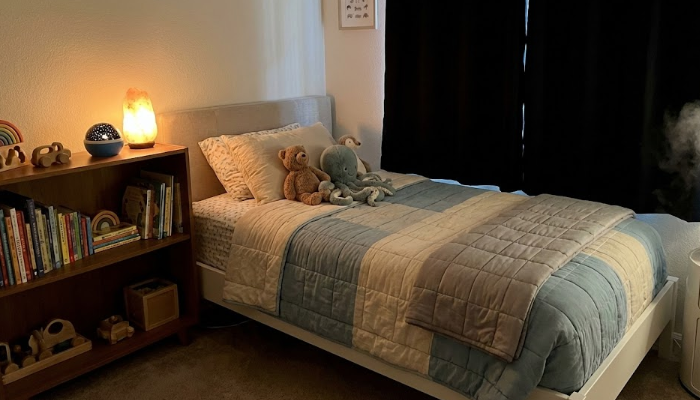
Environmental modifications can make significant differences. Ensuring the bedroom remains cool, dark, and quiet addresses common sensory sensitivities. Weighted blankets provide deep pressure input that many find calming. White noise machines mask disruptive sounds that might wake light sleepers.
Consistent bedtime routines help signal the body that sleep time approaches. These routines might include calming activities like reading, gentle stretching, or listening to soft music. The predictability of following the same sequence each night helps ease the transition to sleep.
For individuals who rely heavily on rocking, providing safe alternatives or modifications matters more than elimination. A rocking chair, hammock, or even specialized rocking beds can satisfy the sensory need while potentially being less disruptive than body rocking. Teaching additional self-regulation strategies gives individuals more tools for managing their sensory needs.
Families working with providers like Dream Bigger ABA learn personalized strategies that honor their child’s sensory needs while promoting healthy sleep habits. The goal centers on helping individuals feel comfortable and regulated, not on forcing conformity to typical sleep behaviors.
When to Seek Professional Evaluation
Parents should consider professional evaluation when rocking behaviors raise questions about autism or when sleep challenges significantly impact family functioning. Several situations warrant reaching out to healthcare providers or developmental specialists.
Persistent rocking beyond early childhood, especially if it intensifies rather than diminishes, deserves professional attention. If a child rocks so vigorously that they risk injury or damage furniture, intervention becomes necessary. When rocking prevents falling asleep or leads to frequent wakings, it’s actively interfering with health and development.
The presence of other autism characteristics alongside rocking behaviors makes evaluation particularly important. If you notice challenges with social communication, intense repetitive behaviors beyond just rocking, significant sensory sensitivities, or developmental delays, comprehensive assessment can provide clarity and access to support services.
Learning more about the different levels of autism helps families understand the spectrum of support needs and what evaluation might reveal. Early identification and intervention consistently lead to better outcomes, making it worth addressing concerns promptly rather than waiting to see if behaviors resolve independently.
Practical Strategies for Better Sleep
Beyond understanding whether rocking indicates autism, families can implement concrete strategies to improve sleep quality regardless of the underlying cause.
Create a calming pre-sleep routine that lasts 30 to 60 minutes. This routine should be consistent every night and include only relaxing activities. Avoid screens during this time, as blue light interferes with melatonin production. Instead, focus on quiet play, reading, or gentle music.
Optimize the sleep environment by considering sensory factors. Some children benefit from complete darkness, while others need a small nightlight. Temperature matters significantly, with most people sleeping best in slightly cool rooms. Experiment with different bedding textures to find what feels most comfortable.
Address daytime factors that affect nighttime sleep. Regular physical activity helps regulate sleep-wake cycles, though intense exercise should occur earlier in the day. Limiting caffeine and sugar, especially in the afternoon and evening, prevents interference with natural sleepiness.
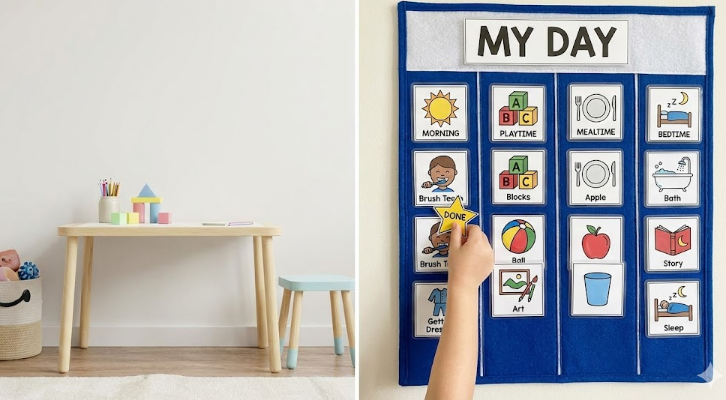
For children with autism, visual schedules showing the bedtime routine can reduce anxiety about what comes next. Social stories about sleeping and why bodies need rest help some children understand and accept bedtime more readily.
Understanding how families can support children with autism extends to creating environments where healthy sleep becomes possible, not just expected.
Wrapping Up: What Rocking Really Means
So, is rocking yourself to sleep a sign of autism? The behavior alone doesn’t confirm or rule out autism. Rocking serves as one possible indicator when it appears alongside other autism characteristics, but it also occurs commonly in neurotypical individuals as a harmless self-soothing technique.
The context matters most. Consider frequency, intensity, whether it interferes with daily life, and what other behaviors accompany it. If rocking is your only concern and your child is developing typically in other areas, it likely represents nothing more than a sleep habit. If rocking appears with communication challenges, repetitive behaviors, sensory sensitivities, or social differences, professional evaluation makes sense.
At Dream Bigger ABA, we help families understand the full picture of their child’s development and provide evidence-based support for autism and related challenges. Whether rocking turns out to be stimming related to autism or simply a comforting bedtime ritual, understanding its function allows you to support your child’s needs effectively. Every child deserves the chance to develop healthy sleep patterns and the tools to regulate themselves comfortably throughout their lives.
Frequently Asked Questions
Is rocking in bed a sign of autism?
Rocking in bed can be associated with autism when it functions as a stimming behavior, but many neurotypical people also rock themselves to sleep as a self-soothing technique. The behavior alone doesn’t diagnose autism. Consider whether it appears with other autism characteristics like social communication challenges, repetitive behaviors throughout the day, or sensory sensitivities. If rocking is your only concern, it probably represents a harmless sleep habit rather than an autism indicator.
What are 5 common signs of autism?
The five most common signs include difficulty with social communication, repetitive behaviors like hand flapping or rocking, restricted interests, sensory sensitivities, and strong need for routine. These characteristics must appear in early childhood and impact daily functioning to meet autism diagnostic criteria. Social communication challenges might involve difficulty understanding nonverbal cues or maintaining conversations. Repetitive behaviors provide sensory input or emotional regulation. Remember that autism exists on a spectrum, so these signs appear differently in each individual.
How do kids with autism sleep?
Children with autism often experience longer time falling asleep, frequent night wakings, lighter sleep, and early morning wakings. Research shows 50 to 80 percent of autistic children have sleep difficulties. These challenges might stem from differences in melatonin production, heightened sensory awareness, anxiety, or difficulty transitioning between activities. Many benefit from consistent bedtime routines, optimized sleep environments, and behavioral strategies that address their specific sleep challenges.
Is rocking yourself to sleep stimming?
Rocking yourself to sleep qualifies as stimming when it serves sensory regulation or emotional management functions rather than just being a sleep habit. For individuals with autism, rocking typically provides organizing sensory input that calms the nervous system. The distinction between stimming and habit matters less than understanding what the behavior accomplishes. If rocking helps someone fall asleep peacefully without causing harm, it generally doesn’t need intervention regardless of whether it’s technically stimming.
What is the 6 second rule for autism?
The 6 second rule suggests waiting six seconds after asking a question before prompting or repeating, giving autistic individuals processing time. Many people with autism need extra time to process verbal information and formulate responses. Rushing them or immediately repeating questions can interrupt this processing and increase stress. This simple strategy respects different processing speeds and often results in more successful communication. It applies in educational, therapeutic, and everyday situations.