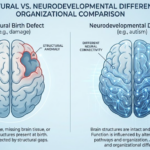
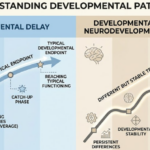
Regressive autism happens when a child develops typically for the first 18-24 months, then suddenly loses language, social, or motor skills they had previously mastered. Unlike children who show autism signs from birth, kids with regressive autism experience a noticeable decline that worries parents and caregivers deeply.
This pattern affects about 20-30% of children diagnosed with autism spectrum disorder (ASD). If you’ve noticed your toddler stopped talking, playing, or responding to their name after months of normal growth, you’re not alone. Understanding what’s happening and why can help you take the right steps toward support and recovery.
What Is Regressive Autism?
Regressive autism describes a specific developmental pattern where children lose previously acquired skills. These losses typically happen between 15 and 30 months of age, though some cases occur earlier or later.
The regression can be sudden or gradual. Some children lose abilities over a few weeks, while others show a slower decline over several months. Parents often describe it as watching their child “slip away” or become a different person.
How Regressive Autism Differs from Early-Onset Autism
Children with early-onset autism show developmental differences from infancy. They may avoid eye contact, not respond to their name, or show little interest in social interaction from birth. Parents usually notice these signs before the child’s first birthday.
In contrast, children with regressive autism hit typical milestones initially. They babble, wave bye-bye, point at objects, and respond to their names. Then something changes. The skills disappear, and concerning behaviors emerge.
This distinction matters because it affects how families experience the diagnosis. Parents of children with early-onset autism often sense something is different from the start. Parents of children with regressive autism face the shock of watching normal development reverse.
At Dream Bigger ABA, we understand how frightening this experience feels. Early recognition and intervention can make a significant difference in helping children regain lost skills and develop new ones.
What Skills Do Children Lose?
The losses in regressive autism vary by child, but certain patterns appear consistently. Understanding these can help you recognize regression early and seek appropriate help.
| Skill Area | Common Losses |
| Language | Stops saying words they knew, stops responding to name, loses ability to follow simple instructions |
| Social Skills | No longer makes eye contact, stops playing with others, loses interest in people, doesn’t smile or laugh as before |
| Motor Skills | May lose coordination, stop using utensils they had mastered, lose toilet training progress |
| Play Behaviors | Shifts from imaginative play to repetitive actions, loses interest in toys, engages in self-stimulating behaviors |

Language Regression: The Most Common Sign
Language loss is often the first thing parents notice. A child who said 20 words suddenly uses only three. A toddler who formed two-word phrases returns to babbling or silence. Some children stop making any sounds at all.
This loss extends beyond vocabulary. Children may stop responding when you call their name. They might not follow directions they understood just weeks earlier. The communication breakdown creates frustration for both child and parent.
Social Withdrawal and Behavior Changes
Children with regressive autism often become isolated. They stop seeking comfort when upset. They no longer bring toys to show you or point at interesting things. Playdates that once brought joy now result in parallel play or complete disengagement.
New behaviors may emerge too. Repetitive movements like hand-flapping or spinning appear. Some children develop intense interests in specific objects or routines. Changes to routine may trigger meltdowns that weren’t there before.
If you’re seeing these patterns, understanding what is stimming in autism can help you recognize these behaviors as regulatory mechanisms rather than defiance.
What Causes Regression in Autism?
The exact cause of regressive autism remains unclear, but research points to several contributing factors. Most experts believe it results from a combination of genetic vulnerability and environmental triggers, not a single cause.
Genetic Factors and Brain Development
Studies show that children who experience regression often have genetic variations that affect brain development. These genes may disrupt how neurons connect and communicate, particularly during critical growth periods.
Brain imaging studies reveal that some children with regressive autism show abnormal brain growth patterns. Their brains may grow too quickly in certain areas, then suddenly slow or stop developing normally. This irregular pattern may explain why skills emerge and then disappear.
Environmental Triggers and Immune Response
While genetics create vulnerability, environmental factors may trigger the actual regression. These triggers don’t cause autism but may activate underlying genetic susceptibilities in some children.
Possible triggers researchers study include:
- Severe infections or immune system responses
- Metabolic disruptions affecting brain function
- Prolonged high stress or trauma
- Autoimmune reactions affecting neural development
It’s important to note that vaccines do not cause autism or regression. Decades of rigorous research involving millions of children have found no connection between vaccines and autism spectrum disorder.
The Role of Seizure Activity
Some children with regressive autism have subtle seizure activity that goes undetected. These seizures may interfere with normal brain development and skill retention. If your child shows regression, ask your doctor about an EEG (brain activity test) to rule out seizure disorders.

Early Signs Parents Should Watch For
Recognizing regression early allows for faster intervention. The sooner children receive support, the better their outcomes tend to be. Watch for these warning signs:
- Language changes: Stops using words they knew, communication becomes less clear
- Name response loss: No longer turns when you call their name
- Social withdrawal: Avoids eye contact, stops showing affection, loses interest in people
- Play pattern shifts: Abandons toys they loved, engages in repetitive actions instead of creative play
- New repetitive behaviors: Hand-flapping, rocking, spinning, or lining up objects
- Skill loss: Loses toilet training, feeding abilities, or other mastered tasks
- Emotional changes: More frequent tantrums, difficulty with transitions, extreme reactions to sensory input
Trust your instincts. If something feels wrong, it’s worth discussing with your pediatrician. Parents know their children best, and your concerns deserve attention.
At Dream Bigger ABA, we provide comprehensive assessments that help identify regression patterns and create individualized support plans for affected children.
How Rare Is Regressive Autism?
Regressive autism affects approximately 20-30% of children diagnosed with autism spectrum disorder. This means roughly one in four children with autism experiences some form of skill loss after a period of typical development.
Within this group, the severity and extent of regression varies widely. Some children lose only language skills while maintaining social engagement. Others experience comprehensive losses across multiple developmental areas.
The timing of regression also varies. Most cases occur between 15 and 30 months, but some children regress as early as 12 months or as late as 36 months. A small number of children experience regression after age three, though this is less common.
| Regression Timing | Percentage of Cases | Typical Skills Lost |
| 12-18 months | 30-40% | Early language, social smiling, eye contact |
| 18-24 months | 40-50% | Words, phrases, interactive play, daily routines |
| 24-36 months | 15-20% | Complex language, peer interaction, adaptive skills |
| After 36 months | 5-10% | Varies widely, may include academic or behavioral skills |
Despite these statistics, every child’s experience is unique. The degree of regression and the potential for skill recovery depend on many factors, including the age at intervention, the intensity of support, and individual developmental patterns.
Diagnosis and Assessment Process
Getting an accurate diagnosis requires careful observation and comprehensive evaluation. Because regression can result from various conditions, doctors must rule out other explanations before confirming autism.
Medical Tests and Evaluations
Your child’s doctor will likely recommend several assessments:
- Developmental screening: Standardized tests measuring language, social, and motor skills
- Hearing test: To ensure hearing loss isn’t causing communication difficulties
- Neurological examination: To check for signs of seizures or other brain disorders
- Metabolic testing: Blood tests to identify metabolic conditions that could explain regression
- Genetic testing: To identify genetic conditions associated with developmental regression
Autism-Specific Assessments
If initial testing suggests autism, specialists will conduct more detailed evaluations. These typically include structured observations of your child’s behavior, parent interviews about developmental history, and standardized autism assessment tools.
The diagnostic team may include developmental pediatricians, child psychologists, speech-language pathologists, and occupational therapists. Each professional evaluates different aspects of your child’s development.
If you’re wondering whether to seek testing, resources like the Am I Autistic Quiz (Male) can help you understand autism characteristics, though formal diagnosis always requires professional evaluation.

Treatment and Intervention Options
While regressive autism presents unique challenges, many children respond well to early, intensive intervention. The goal isn’t to “cure” autism but to help children develop skills, reduce challenging behaviors, and maximize their potential.
Applied Behavior Analysis (ABA) Therapy
ABA therapy remains the most researched and effective intervention for children with autism, including those who’ve experienced regression. This evidence-based approach breaks down complex skills into small, manageable steps and uses positive reinforcement to encourage learning.
For children with regressive autism, ABA therapy focuses on:
- Rebuilding lost communication skills through alternative communication methods if needed
- Developing social engagement and interaction abilities
- Teaching daily living skills like dressing, eating, and toileting
- Reducing challenging behaviors through functional analysis and replacement strategies
- Building play skills and peer relationships
The intensity and structure of ABA therapy adapt to each child’s needs. Some children benefit from 20-40 hours per week, while others need less intensive support.
At Dream Bigger ABA, our certified behavior analysts create personalized programs that address each child’s specific regression patterns and learning style.
Speech and Occupational Therapy
Speech therapy helps children regain language skills and develop alternative communication methods when verbal language remains difficult. Some children learn sign language, picture exchange systems, or use communication devices while working toward verbal communication.
Occupational therapy addresses sensory processing issues, fine motor skills, and daily living abilities. Many children with regressive autism develop sensory sensitivities that weren’t present before regression. Occupational therapists teach children to manage these sensitivities and participate more fully in daily activities.
Medical Interventions
Some children with regressive autism benefit from medications that address co-occurring conditions like anxiety, sleep problems, or attention difficulties. Medication doesn’t treat autism itself but can improve quality of life by managing challenging symptoms.
In cases where underlying medical conditions contribute to regression, treating those conditions may help stabilize development. This is why thorough medical evaluation is so important.
Supporting Your Child at Home
Professional therapy provides crucial structure and expertise, but your daily interactions with your child matter just as much. Here are practical strategies that support development:
- Create predictable routines: Visual schedules showing daily activities help reduce anxiety and provide security
- Simplify communication: Use short, clear phrases and give your child time to process and respond
- Follow their lead: Join activities your child enjoys, even if they seem repetitive, to build connection and engagement
- Celebrate small progress: Every skill gained or behavior improved deserves recognition and encouragement
- Take care of yourself: Caring for a child with special needs demands energy and patience, making your own well-being essential
Connect with other families facing similar challenges. Parent support groups, both in-person and online, provide emotional support and practical advice from those who truly understand your experience.
For families exploring different support options, understanding resources like does Aetna cover ABA therapy can help you access needed services.
Long-Term Outlook and Hope
The long-term outcome for children with regressive autism varies significantly. Some children regain most lost skills and develop good communication and social abilities. Others make steady progress but continue needing substantial support throughout life.
Several factors influence outcomes:
- Age at intervention: Earlier intervention generally leads to better outcomes
- Intensity of therapy: More intensive, high-quality intervention typically produces greater gains
- Family involvement: Active family participation in therapy enhances skill generalization
- Individual characteristics: Each child’s genetic makeup, co-occurring conditions, and learning style affect progress
Research shows that many children with regressive autism make significant improvements with appropriate intervention. Some develop functional language, attend mainstream schools, and build meaningful relationships. The key is starting support as soon as regression is identified.
Remember that autism exists on a spectrum. Each child’s journey is unique, and comparison to others rarely helps. Focus on your child’s individual progress and celebrate their strengths alongside addressing their challenges.
Moving Forward with Regressive Autism
If your child has experienced regression, the path forward begins with recognition, acceptance, and action. Regressive autism presents unique emotional challenges for families who’ve watched typical development suddenly reverse, but hope and support are available.
Early intervention makes a real difference. The brain’s plasticity during early childhood means that children can learn new skills and compensate for lost abilities with appropriate support. Professional therapy combined with family involvement creates the best environment for growth.
Remember that autism isn’t a tragedy or something that needs curing. It’s a different way of experiencing and interacting with the world. Your child remains the same person they’ve always been, even if they now need different types of support. Their potential for growth, happiness, and meaningful relationships continues.
At Dream Bigger ABA, we believe every child deserves the opportunity to reach their full potential. Whether your family is dealing with regressive autism or other developmental concerns, professional guidance and evidence-based intervention can help your child thrive. Understanding conditions like can autism get worse with age helps families plan for the future with realistic expectations and appropriate support strategies.
You’re not alone on this journey. Thousands of families face similar challenges and find ways to support their children effectively. Trust your instincts, seek professional help early, and remember that progress happens one small step at a time.
Frequently Asked Questions
What causes regression in autism?
Regression in autism likely results from a combination of genetic vulnerability and environmental triggers that disrupt typical brain development during critical growth periods. Research suggests that children with certain genetic variations may experience abnormal brain growth patterns or immune responses that lead to skill loss. While the exact cause remains unclear, factors like severe infections, metabolic issues, or undetected seizure activity may trigger regression in genetically susceptible children. Vaccines do not cause regression or autism.
What are the early signs of regressive autism?
Early signs include sudden loss of language (stops using words they knew), no longer responding to their name, avoiding eye contact, losing interest in social interaction, and developing repetitive behaviors. Children may stop playing with toys they previously enjoyed, lose skills like using utensils or toilet training, and become more easily frustrated or distressed. The key indicator is that these changes happen after a period of typical development, usually between 15-30 months of age.
How rare is regressive autism?
Regressive autism affects approximately 20-30% of children diagnosed with autism spectrum disorder, meaning about one in four children with autism experiences some form of developmental regression. This makes it less common than early-onset autism but far from rare. The severity and timing of regression varies widely among affected children, with most cases occurring between 15 and 30 months of age.
What is 90% of autism caused by?
No single factor causes 90% of autism cases; instead, autism results from complex interactions between multiple genes and environmental factors. Current research suggests that genetic factors contribute to 60-90% of autism risk, but this involves hundreds of different genes, each with small effects. Environmental factors during pregnancy and early development may also play a role, but no single cause explains the majority of cases. The question oversimplifies a highly complex developmental condition.
What is the 6 second rule for autism?
The “6 second rule” suggests waiting at least 6 seconds after asking a question or giving an instruction before repeating or prompting, giving children with autism adequate processing time to respond. Many autistic individuals need extra time to process verbal information and formulate responses. By waiting patiently rather than immediately repeating or offering help, caregivers allow children to practice independent responding and build communication confidence. This simple strategy respects different processing speeds and reduces pressure.