The best autism therapy Lawton families can access combines Applied Behavior Analysis (ABA), occupational therapy, and speech therapy tailored to each child’s unique strengths and challenges. Research consistently shows that early, intensive intervention using evidence-based methods produces the most meaningful progress in communication, social skills, and daily living abilities.
Finding the right therapy for your child means understanding what each approach offers and how different treatments work together. Whether you’re newly navigating an autism diagnosis or looking to enhance your child’s current support plan, knowing your options helps you make confident decisions that truly benefit your family.
Understanding Autism Therapy Options
Parents in Lawton have access to several proven therapy approaches, each targeting different aspects of autism spectrum disorder. The most effective treatment plans usually combine multiple therapies rather than relying on just one method.
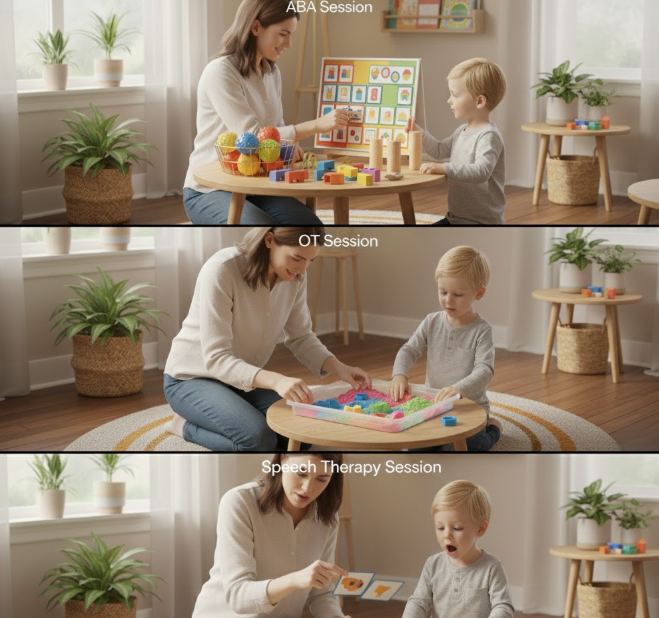
Applied Behavior Analysis (ABA) focuses on teaching new skills and reducing challenging behaviors through structured, data-driven techniques. Therapists break down complex tasks into smaller steps and use positive reinforcement to encourage learning.
Occupational Therapy (OT) helps children develop fine motor skills, sensory processing abilities, and daily living skills like dressing, eating, and handwriting. OT addresses how children interact with their physical environment.
Speech Therapy targets communication challenges, whether verbal or nonverbal. Speech-language pathologists work on articulation, language comprehension, social communication, and alternative communication methods when needed.
How Different Therapies Address Autism
Each therapy type serves a specific purpose in supporting children with autism:
| Therapy Type | Primary Focus | Best For |
| ABA Therapy | Behavior modification, skill acquisition, reducing problem behaviors | Building communication, social skills, independence, and decreasing harmful behaviors |
| Occupational Therapy | Sensory integration, motor skills, daily living tasks | Addressing sensory sensitivities, improving coordination, self-care abilities |
| Speech Therapy | Language development, articulation, social communication | Expanding vocabulary, improving conversation skills, implementing AAC devices |
| Physical Therapy | Gross motor skills, strength, coordination | Improving balance, walking patterns, physical activities |
The reality is that most children benefit from a combination of these approaches. A child might receive ABA therapy to learn social skills while also attending OT sessions to manage sensory challenges and speech therapy to expand their vocabulary.
Why ABA Therapy Leads in Autism Treatment
Among all autism interventions, ABA therapy has the strongest research backing and the longest track record of documented success. Decades of peer-reviewed studies demonstrate that intensive ABA therapy, particularly when started early, leads to significant improvements across multiple developmental areas.
ABA therapy works because it’s built on the science of learning and behavior. Therapists systematically teach skills through repetition, positive reinforcement, and careful data collection that tracks every step of progress. This allows for constant adjustment based on what actually works for each individual child.
What makes ABA particularly powerful is its versatility. The same principles apply whether you’re teaching a toddler to make eye contact, helping a school-age child navigate playground interactions, or supporting a teenager in developing job skills. ABA therapy in Fairfax, VA demonstrates how these individualized programs adapt to each child’s developmental stage and family priorities.

The Research Behind ABA Effectiveness
Over 50 years of research supports ABA as the gold standard for autism intervention. A landmark study by Dr. O. Ivar Lovaas in 1987 showed that children receiving 40 hours per week of intensive ABA therapy for two years achieved IQ gains averaging 30 points, with nearly half reaching typical developmental levels.
More recent studies continue confirming these findings. Children who receive comprehensive ABA therapy show improvements in:
- Language and communication abilities
- Social interaction and peer relationships
- Academic performance and school readiness
- Daily living skills and independence
- Reduction in challenging behaviors
The key factor isn’t just receiving ABA therapy but receiving enough of it at the right intensity. Most experts recommend 25-40 hours per week for optimal results, though some children make excellent progress with fewer hours when therapy is highly targeted.
Comparing Therapy Approaches: Which Works Best?
Parents often ask whether they should choose ABA, OT, speech therapy, or something else. The truth is this isn’t an either-or decision for most families. Each therapy addresses different needs, and the best autism therapy Lawton providers offer often involves coordinated care across multiple disciplines.
When ABA is the Best Choice: ABA should be your primary focus when addressing significant behavioral challenges, teaching new skills across multiple domains, or establishing foundational abilities like following directions, attending to tasks, and basic communication. Programs like ABA therapy in Centreville, VA show how comprehensive ABA addresses the core features of autism most directly.
When to Prioritize OT: Occupational therapy becomes essential when sensory issues significantly impact daily functioning. If your child struggles with clothing textures, refuses certain foods due to texture, melts down from environmental sounds, or has difficulty with fine motor tasks, OT should be a priority alongside other interventions.
When Speech Therapy Takes Priority: Speech therapy moves to the forefront when communication challenges are the primary barrier. Non-verbal children, those with severe articulation difficulties, or kids struggling to understand language benefit tremendously from specialized speech-language pathology.
| Consideration | Choose ABA | Choose OT | Choose Speech |
| Main Challenge | Behavior, social skills, broad skill deficits | Sensory processing, motor coordination | Communication delays, language understanding |
| Intensity Needed | High (25-40 hrs/week recommended) | Moderate (1-3 sessions/week) | Moderate (1-3 sessions/week) |
| Evidence Base | Strongest research support | Good research support | Good research support |
| Focus Area | Comprehensive development | Specific sensory/motor needs | Specific communication needs |
The reality for most families is that combining therapies produces better outcomes than any single approach alone. Understanding theory of mind in autism helps explain why multiple therapeutic approaches often work together to address the complex ways autism affects development.
Finding Quality Therapy Providers in Lawton
Not all therapy providers offer the same level of expertise or quality. When searching for the best autism therapy Lawton has available, look for specific credentials and program features that indicate high-quality care.
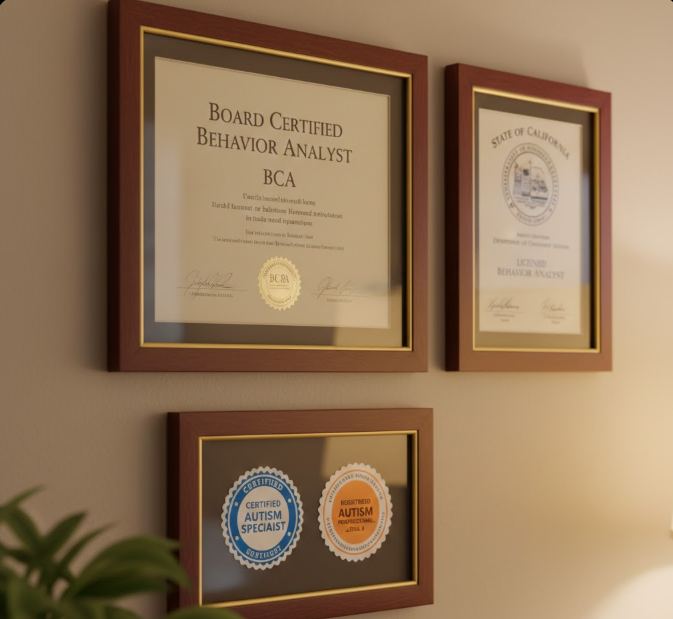
For ABA Providers: Seek Board Certified Behavior Analysts (BCBAs) who design and supervise programs. Your child’s direct therapist should be a Registered Behavior Technician (RBT) working under BCBA supervision. Ask about therapist-to-child ratios, how often the BCBA reviews your child’s program, and whether they provide parent training.
For OT and Speech Providers: Look for therapists licensed in your state with specialized training in autism. Ask about their experience with sensory integration, feeding therapy, or augmentative and alternative communication (AAC) devices if these are relevant to your child’s needs.
Questions to Ask Potential Providers:
- How many hours of therapy do you recommend for my child’s age and needs?
- What credentials do your therapists hold?
- How do you measure and report progress?
- Do you collaborate with my child’s school and other providers?
- What does parent involvement look like in your program?
- How long is your waitlist?
What Parents Should Know About Starting Therapy
Beginning autism therapy can feel overwhelming, especially when you’re making decisions about your child’s future. Here are practical realities that help families set realistic expectations.
Therapy Takes Time: Meaningful progress doesn’t happen overnight. While you might see small wins within weeks, substantial developmental gains typically emerge after months of consistent intervention. Most children need at least 6-12 months of therapy before families notice significant changes in core skills.
Insurance Matters: Most health insurance plans now cover autism therapy thanks to autism parity laws, but coverage varies dramatically. Some plans cover unlimited ABA hours, while others cap services at 20 hours per week or restrict coverage to children under certain ages. Understanding your benefits before starting therapy prevents financial surprises later.
Consistency is Everything: Sporadic therapy produces sporadic results. Children make the most progress when they receive therapy consistently, week after week, without long gaps. Cancellations and schedule changes disrupt the learning process and slow skill acquisition.
Programs offering ABA therapy in Manassas, VA emphasize family involvement as a critical success factor. When parents learn to use ABA strategies at home, children practice skills in natural environments, which accelerates generalization and maintenance.
Early Intervention Makes the Biggest Difference
Research overwhelmingly shows that starting therapy early produces dramatically better outcomes than waiting. The brain’s plasticity in early childhood means young children learn new skills more readily and can overcome developmental delays more completely than older children or adults.
“Early” doesn’t mean waiting for a formal diagnosis. If you notice signs like autism in infants, limited eye contact, speech delays, or unusual repetitive behaviors, seeking evaluation and beginning intervention immediately gives your child the best chance for optimal development.
Some parents worry about starting therapy “too early” or unnecessarily. This concern is understandable but misplaced. Evidence-based therapies like ABA won’t harm a child who doesn’t have autism, while delayed intervention definitely harms children who do need support.
Benefits of Starting Before Age 3:
- Greater brain plasticity allows faster skill acquisition
- Earlier language development supports better communication outcomes
- Social skills develop during critical peer interaction periods
- Maladaptive behaviors are easier to address before they become entrenched
- Families learn support strategies while children are young
Understanding What Causes Autism
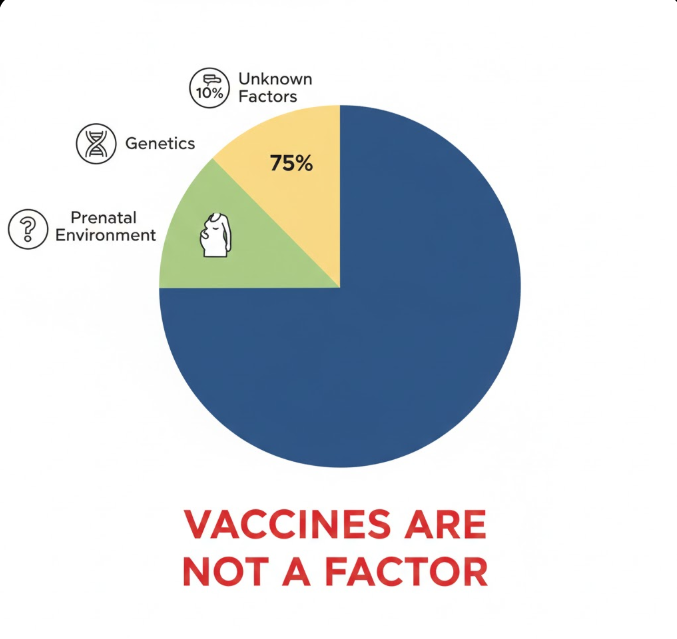
While this article focuses on treatment, parents naturally wonder about autism’s origins. Current research points to a complex interaction of genetic and environmental factors, though no single cause has been identified. Understanding is autism overdiagnosed helps contextualize rising autism rates.
What we know definitively is that vaccines do not cause autism. This myth has been thoroughly debunked by decades of research across millions of children worldwide. Parents can vaccinate their children with complete confidence that vaccines protect health without increasing autism risk.
Genetics play a significant role, with studies suggesting 60-90% of autism risk comes from inherited genetic variations. Environmental factors during pregnancy, such as maternal infection, certain medications, or advanced parental age may contribute to the remaining risk, though much remains unknown.
Moving Forward: Your Next Steps
If you’re searching for the best autism therapy Lawton can provide, start by getting a comprehensive evaluation that identifies your child’s specific strengths and challenges. This assessment guides you toward the right combination of therapies rather than a one-size-fits-all approach.
Contact local ABA providers, occupational therapists, and speech-language pathologists to learn about their programs and availability. Don’t let waitlists discourage you – get your child’s name on multiple lists while pursuing other interim supports like early intervention services.
Remember that choosing therapy isn’t about finding perfection. It’s about starting somewhere and adjusting as you learn what works for your unique child. The families who see the best outcomes are those who begin intervention early, remain consistent with therapy schedules, and actively participate in their child’s treatment.
Your child’s autism journey is uniquely theirs. With the right support, children with autism develop skills, build relationships, and live fulfilling lives that reflect their individual potential and personality.
Frequently Asked Questions
Which is better, OT or ABA?
Neither is universally “better” – they serve different purposes. ABA therapy addresses behavioral challenges, teaches new skills, and targets the core features of autism most directly, making it the primary intervention for most children. Occupational therapy focuses specifically on sensory processing difficulties and motor skill development. Most children benefit from both therapies working together, with ABA providing comprehensive developmental support while OT addresses specific sensory and motor challenges that ABA doesn’t target as effectively.
What is the most successful treatment for autism?
Applied Behavior Analysis (ABA) has the strongest research evidence as the most successful autism treatment. Decades of peer-reviewed studies demonstrate that intensive, early ABA therapy produces significant improvements in communication, social skills, daily living abilities, and reduction of challenging behaviors. The American Psychological Association, the Surgeon General, and major autism organizations all recognize ABA as the gold standard evidence-based intervention. Success rates improve when ABA therapy starts early (before age 3) and is delivered intensively (25-40 hours weekly) by qualified providers.
What is 90% of autism caused by?
This statistic is misleading – no single factor causes 90% of autism cases. Current research suggests that 60-90% of autism risk comes from genetic factors, meaning multiple genes contribute to autism rather than one cause explaining most cases. The remaining risk involves complex interactions between genes and environmental factors during pregnancy or early development. Autism results from many different genetic variations and environmental influences working together, not from one dominant cause. This complexity explains why autism presents so differently across individuals.
What is the hardest age for autism?
Ages 2-5 often prove most challenging for families because core autism symptoms become most apparent while children lack coping skills. During these years, children display the most pronounced communication difficulties, behavioral challenges, and social differences compared to neurotypical peers. However, this period also offers the greatest opportunity for intervention, as early intensive therapy during this developmental window produces the most significant long-term improvements. With proper support, many challenges that seem overwhelming at ages 2-5 diminish substantially by school age.
What is the new miracle drug for autism?
No “miracle drug” exists for autism, and families should be skeptical of such claims. While medications can help manage specific symptoms like anxiety, aggression, or hyperactivity, no pharmaceutical treatment addresses the core features of autism or “cures” the condition. The FDA has only approved risperidone and aripiprazole for irritability associated with autism. The most effective intervention remains behavioral therapy, particularly ABA, combined with educational support and therapies addressing specific needs. Beware of anyone promoting miraculous cures, as these often exploit desperate families while lacking scientific evidence.