It feels like lately, everyone’s talking about ADHD and autism. You might hear people say, ‘Is ADHD autism?’ or wonder if they’re basically the same thing. It’s true, there’s a lot of overlap, which can make it confusing. For a long time, doctors even had to pick just one diagnosis. But now, we know it’s more complicated than that. Many people can have traits of both, and understanding this connection is pretty new but really important.
Main Points
- ADHD and autism share many common traits, like issues with focus, impulsivity, and sensory processing. This overlap is so significant that it’s common for people to have characteristics of both conditions.
- While there are similarities, there are also key differences. For example, autistic individuals often have a strong need for routine and may struggle with interpreting social cues due to how their brain processes information, whereas ADHD can involve more outward impulsivity and a desire for novelty.
- It is now recognized that a person can be diagnosed with both ADHD and autism simultaneously. This dual diagnosis, sometimes called AuDHD, means understanding the unique ways these conditions interact within an individual.
Understanding the Overlap Between Autism and ADHD

It’s pretty common these days to hear about how Autism and ADHD seem to go hand-in-hand. For a long time, if someone showed signs of both, doctors had to pick just one diagnosis. But thankfully, things have changed, and now it’s recognized that you can have both. This shift in understanding is relatively new, but the research is really starting to show just how much these two conditions can overlap.
Shared Genetic and Neurobiological Pathways
Scientists are finding that there might be some shared genetic roots connecting Autism and ADHD. Studies looking at twins and families suggest that a significant portion of the risk for both conditions could be inherited. It’s not just about genes, though. The way the brain works, especially in areas related to attention and switching between tasks, also seems to have similarities in people with ADHD and Autism. This biological overlap helps explain why so many people experience traits from both conditions.
Common Traits and Symptoms
When you look closely, you’ll see a lot of shared characteristics between Autism and ADHD. Both can affect executive functions, which are basically the brain’s management system. This can lead to difficulties with things like:
- Organizing tasks and belongings
- Remembering information
- Staying focused on what needs to be done
- Making decisions
- Shifting attention smoothly from one thing to another
It’s also common for people with either condition to have challenges with sensory processing – how the brain takes in and makes sense of information from the senses. This can mean being extra sensitive to lights, sounds, or textures, or sometimes seeking out strong sensory input.
The lines can get really blurry because many of the everyday struggles, like a messy desk or a mountain of unread emails, could stem from either ADHD, Autism, or a combination of both. It’s a complex picture, and even experts find it tricky to untangle sometimes.
Here’s a quick look at some overlapping areas:
| Area of Difficulty | Autism Traits | ADHD Traits |
| Attention | Difficulty maintaining focus on non-preferred tasks | Difficulty sustaining attention, easily distracted |
| Impulsivity | Can be present, often related to sensory needs | High impulsivity, acting without thinking |
| Social Interaction | Challenges with social cues, communication | Can struggle with social cues due to inattention |
| Routine/Interests | Strong need for routine, intense special interests | Can struggle with transitions, hyperfocus on interests |
It’s estimated that a large percentage of children diagnosed with Autism also meet the criteria for ADHD, and a good number of children with ADHD show significant autistic traits. This high rate of co-occurrence isn’t just a coincidence; it points to a deeper connection between the two.
Distinguishing Between Autism and ADHD
It can get pretty confusing when trying to tell the difference between Autism Spectrum Disorder (ASD) and Attention-Deficit/Hyperactivity Disorder (ADHD), especially since there’s so much overlap. Both conditions affect how people process information, interact with the world, and manage their emotions and behaviors. Sometimes, it feels like trying to sort out two tangled balls of yarn. The key is to look closely at the specific ways these traits show up.
Differences in Social Interaction Mechanisms
While both autism and ADHD can lead to social challenges, the reasons behind them often differ. People with ADHD might struggle socially because of impulsivity or difficulty paying attention to social cues. They might interrupt conversations or have trouble staying focused on what others are saying. On the other hand, individuals with autism often find social interactions difficult because they have a harder time understanding unspoken social rules and interpreting non-verbal communication. It’s less about impulsivity and more about a fundamental difference in how social information is processed. This often leads people to ask, “is adhd austim?”—but while the two conditions can share overlapping traits, they are distinct in how they impact social behavior.
- ADHD: Social difficulties often stem from inattention and impulsivity. Individuals might miss cues or blurt things out without thinking.
- Autism: Social challenges are typically related to understanding social nuances, non-verbal cues, and unwritten social rules. There can be a reliance on analytical skills to figure out social situations.
- Social Motivation: Generally, people with ADHD tend to show more outward social motivation compared to autistic individuals, though this can vary greatly.
It’s important to consider why someone struggles socially. Is it a lack of focus, or is it a different way of understanding social interactions altogether?
Impact of Routine and Novelty Seeking
Another area where autism and ADHD can diverge is in their relationship with routine and novelty. Autistic individuals often find comfort and predictability in routines and may experience distress when these are disrupted. They might have specific interests they focus on intensely. People with ADHD, however, often crave new experiences and can become bored easily. This can lead to impulsivity and a constant search for stimulation. Someone with both conditions might feel pulled in two directions – wanting the structure of routine but also seeking out newness.
- Autism: Often prefers predictability, routine, and sameness. Changes can be unsettling.
- ADHD: Frequently seeks novelty, can get bored quickly, and may act impulsively.
The core difference often lies in whether the behavior is driven by a need for predictability or a response to boredom and impulsivity. Understanding these underlying drivers is key to distinguishing between the two, or recognizing when both are present.
The Possibility of Dual Diagnosis
When Is ADHD Autism or Both?
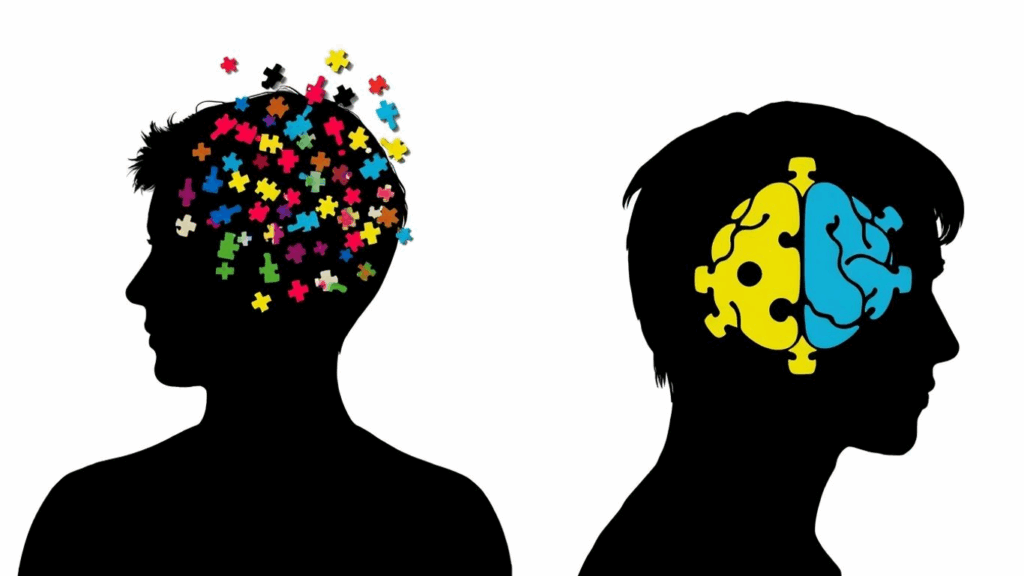
It used to be that if someone showed signs of both ADHD and autism, doctors had to pick just one diagnosis. This changed with the DSM-5 in 2013, which finally allowed for people to be diagnosed with both conditions. This is a pretty big deal because research shows there’s a lot of overlap. Some studies suggest that anywhere from 22% to 83% of kids with autism might also have ADHD, and about 30% to 65% of kids with ADHD show significant autistic traits. It’s not just a small overlap; twin studies even point to a shared genetic link, with estimates of this genetic overlap ranging from 50% to 72%. So, it’s really not uncommon for these two conditions to show up together.
Navigating a Combined Diagnosis
Getting a dual diagnosis can feel complicated, but it’s becoming more recognized. Historically, if someone was diagnosed with autism, an ADHD diagnosis might have been overlooked or even replaced. This could mean that people with both conditions weren’t getting the full picture of their needs. Now that we can diagnose both, it’s important to understand how they interact.
Here’s a look at how the conditions can present together:
- Shared Traits: Both ADHD and autism can involve difficulties with attention, social interactions, and managing routines. For example, someone might struggle with social cues (autism) and also have trouble focusing in conversations (ADHD).
- Distinct Differences: While there’s overlap, the core reasons for these difficulties can differ. An autistic person might avoid social interaction because they don’t understand social cues, whereas someone with ADHD might struggle to maintain social connections due to impulsivity or inattention.
- Misdiagnosis Potential: Because of the symptom overlap, it’s possible for one condition to be missed. Some research indicates that a significant number of children diagnosed with ADHD might actually have autism, and vice versa. This highlights the need for thorough evaluations.
Understanding the nuances of both ADHD and autism is key. It’s not just about ticking boxes; it’s about recognizing how these conditions shape an individual’s experience and providing support that addresses all their needs. A professional assessment that looks at the full spectrum of behaviors and developmental history is really important for an accurate diagnosis.
If you suspect you or someone you know might have both ADHD and autism, seeking a comprehensive evaluation from a qualified professional is the best next step. They can help sort out the complexities and guide you toward the right support.
Wrapping It Up
So, as we’ve seen, ADHD and autism aren’t always separate boxes. It’s pretty common for people to have traits from both, and sometimes even a formal diagnosis for each. The science is still catching up, but it’s clear there’s a lot of overlap, especially in how our brains work and even in our genes. This means figuring out what’s what can be tricky, and sometimes, trying to separate them isn’t even the most helpful approach. The main thing is recognizing that these conditions can and do exist together, and understanding this overlap is key to getting the right support and making life a bit smoother for everyone involved.
Frequently Asked Questions
Can autism be misdiagnosed as ADHD?
Yes, autism can be misdiagnosed as ADHD because of overlapping symptoms like difficulty with social interactions, inattention, and hyperactivity.
Can ADHD people live normally?
Yes, people with ADHD can live normal and successful lives. With proper treatment and strategies, they can manage their symptoms and thrive in their careers, relationships, and personal lives.
Is ADHD considered a disability?
Yes, ADHD is recognized as a disability under federal law, specifically the Americans with Disabilities Act (ADA), which allows individuals to receive accommodations and support.
Does ADHD count as spectrum?
No, ADHD is not considered a spectrum disorder. The term “spectrum” is used to describe conditions like autism, which have a wide range of symptom severity.
Am I autistic or just ADHD?
Only a qualified medical professional can accurately diagnose whether you have autism, ADHD, or both. It’s important to seek a professional evaluation for a correct diagnosis and to get the right support.
What are the 5 stages of ADHD?
There are no “stages” of ADHD. Instead, it’s classified into three main types based on symptoms: predominantly inattentive, predominantly hyperactive-impulsive, and combined presentation.