
Alex Honnold, the free solo climber famous for ascending El Capitan without ropes, has never received a public autism diagnosis. However, many wonder: does Alex Honnold have autism? His documented behavioral patterns, emotional responses, and family history have prompted serious discussion among psychologists, fans, and the autism community about whether he falls somewhere on the […]

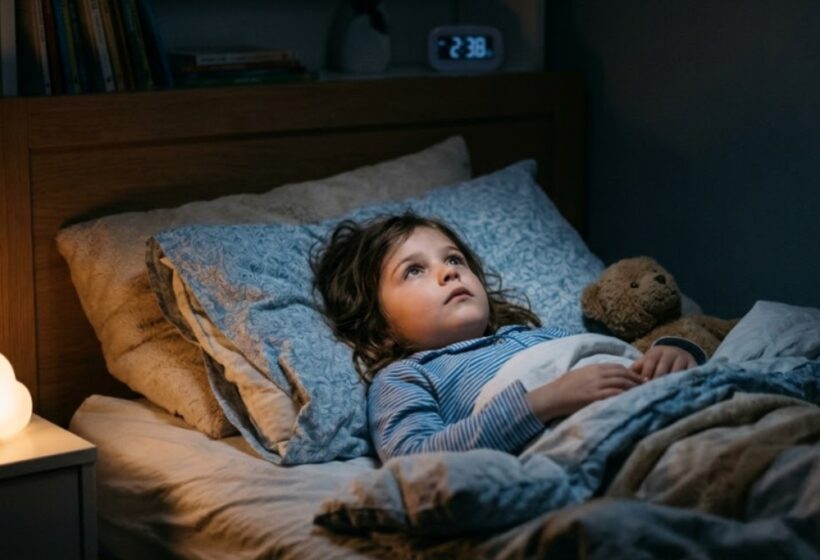
Autism sleep problems affect the majority of autistic individuals across the lifespan, and they are among the most consistently underaddressed challenges in autism support planning. Research estimates that between fifty and eighty percent of autistic children experience significant sleep difficulties, a rate dramatically higher than the general pediatric population, and those difficulties do not reliably […]

Autism in girls presents differently from the profile that has dominated clinical training and public awareness for decades, and that difference is the primary reason so many autistic girls spend years, sometimes their entire childhoods, without an accurate diagnosis. Girls on the autism spectrum are not less autistic than boys. They are autistic in ways […]
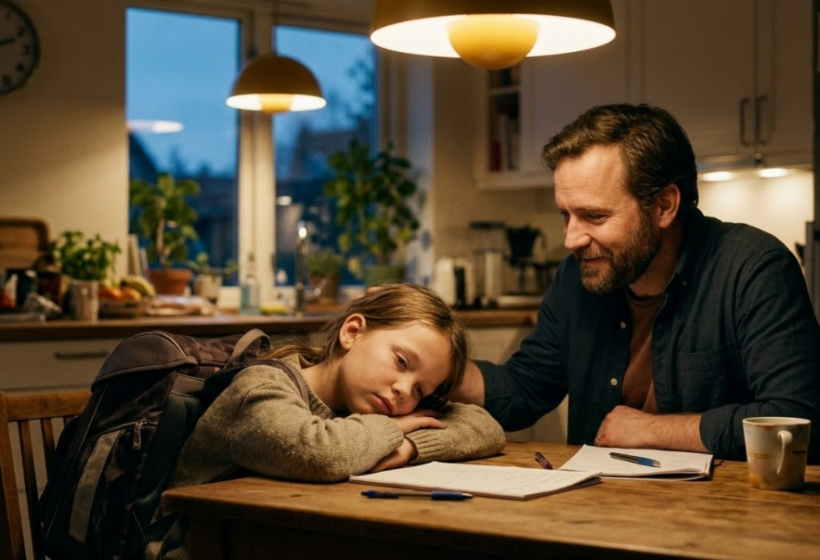
Sensory processing disorder vs autism is one of the most common points of confusion families encounter when trying to understand why their child is overwhelmed by sounds, textures, lights, or physical contact that other children handle without difficulty. Both conditions involve differences in how the nervous system processes sensory input, both can produce intense and […]

Distinct anxiety in autism refers to anxiety that presents through uniquely autistic patterns of behavior and experience, making it harder to recognize, easier to misattribute, and more resistant to standard anxiety treatments than anxiety in neurotypical individuals. Research estimates that between 40 and 60 percent of autistic individuals meet clinical criteria for at least one […]

Emotional dysregulation in autism refers to the difficulty autistic individuals experience when trying to manage, modulate, or recover from intense emotional states, and it is one of the most exhausting and misunderstood aspects of autism for both the individuals experiencing it and the families supporting them. Research suggests that up to 70 percent of autistic […]
